



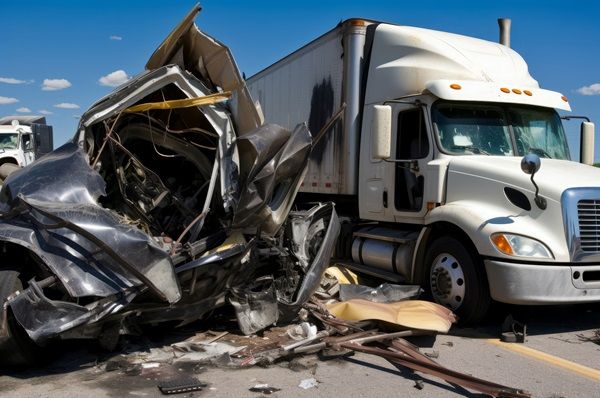
A highway collision involving a semi truck quickly escalates beyond a simple exchange of insurance information. While a standard car crash is handled by local authorities, commercial incidents immediately trigger a massive federal inquiry. The complexity of these events is due to the heavy regulations governing interstate commerce.
The stakes are significantly higher for trucking companies when their vehicles are involved in a wreck. A massive eighty thousand pound machine carries the potential for catastrophic damage that a passenger vehicle simply cannot match. This scale of destruction brings intense scrutiny from multiple layers of government oversight.
Safety officials arrive at the scene to ensure that every protocol was followed during the hours leading up to the impact. This initial phase of the commercial trucking accident investigation is vital for determining if the carrier is fit to stay on the road. It marks the beginning of a long and difficult legal process.
Federal Oversight and the Post Accident Inspection Process
The Federal Motor Carrier Safety Administration works alongside the Department of Transportation to maintain order on the highways. They set the rules that every driver and trucking firm must follow to stay in operation. When a major collision occurs, these agencies step in to verify compliance.
One of the most important steps in this process is the mandatory post accident inspection. Officials look at the mechanical state of the truck to see if any systems failed. They pay close attention to the brakes, tires, and lighting to ensure everything was functioning as it should.
Any mechanical defect found during this check can lead to serious penalties for the carrier. It suggests that the company may have been cutting corners on maintenance to save time or money. These findings form a critical part of the official record that follows the company for years.
Corporate Response Strategies and Private Evidence Collection
Large trucking firms do not wait for the police report to begin their own work after a crash. Most carriers have quick response teams that are ready to deploy at a moment’s notice. These groups often include specialized attorneys and insurance adjusters who arrive within hours of the event.
The primary goal of this private inquiry is to protect the interests of the corporate entity. They look for any variables that might suggest the other driver was partially responsible for the crash. By identifying comparative negligence early on, they can significantly reduce their financial exposure in future litigation.
This immediate presence at the scene allows the company to gather evidence while the site is still being cleared. They take their own photos and interview witnesses before the stories begin to shift. It is a proactive approach designed to build a strong defense against potential injury claims.
Critical Data Preservation and the Role of Spoliation Letters
Modern trucks are equipped with advanced technology that records every second of a journey. Electronic logging devices track the driver’s hours, while onboard video telematics capture the view from the cab. This digital data is often the most objective evidence available after a serious highway collision.
However, this information is not always easy for victims to access without a formal legal request. Many systems are designed to overwrite old data after a set period of time, which can lead to the loss of vital proof. This makes the timing of a legal intervention extremely important.
Attorneys for the injured party often send out spoliation letters to the carrier immediately after the crash. These documents are a formal demand for the company to preserve all black box records and video files. Failing to comply with this request can lead to severe sanctions in a court of law.
Long Term Operational Impacts and Safety Accountability Scores
Every major incident is recorded on the carrier’s compliance, safety, and accountability score. This metric is used by the government to rank the safety of different trucking firms across the country. A single high profile crash can lead to a significant drop in this public rating.
A poor safety score has real world consequences for the daily operations of a trucking business. Insurance companies often raise their premiums to reflect the increased risk, making it more expensive to stay in business. Many lucrative contracts also require a firm to maintain a high level of safety compliance.
If a company shows a pattern of reckless behavior, they may be targeted for a federal safety audit. These inspections are incredibly thorough and can lead to the total shutdown of a carrier’s fleet. Maintaining a clean record is the only way to ensure long term survival in the industry.
Conclusion
The aftermath of a commercial truck crash reveals a complex web of competing interests. While the regulatory bodies look for safety violations, the corporate entity focuses on minimizing their financial liability. The injured party is often caught in the middle of these two powerful forces during the recovery.
A rigorous and independent investigation is the only way to ensure that the facts are presented transparently. Relying on the company’s internal findings is rarely a good idea because of their inherent bias. It requires a dedicated effort to uncover the truth and hold the right people accountable.
Ultimately, the goal of these procedures is to make the highways a safer place for everyone. By demanding high standards and thorough reporting, the legal system forces companies to prioritize safety over their profits. This balance is essential for protecting the rights of every driver on the public road.


