

Whether it is an office building, warehouse, retail store, restaurant, or industrial facility, the condition of the property directly affects daily operations, employee safety, customer experiences, and long-term profitability. When structural damage occurs, the consequences can be costly, disruptive, and difficult to reverse.
However, structural problems often develop behind the scenes. Small issues like moisture intrusion, foundation movement, roof leaks, or pest activity can gradually weaken a building over time. By the time visible signs appear, repairs may require significant financial investment and operational downtime.
The good news is that most structural damage can be prevented through proactive property management. Regular inspections, timely maintenance, and early intervention can help identify risks before they become major problems. By understanding the most common threats to commercial buildings and taking steps to address them, business owners can protect their investments and avoid expensive repairs in the future.
Identifying Hidden Threats Before They Escalate
Structural damage rarely happens overnight. In many cases, it begins with minor issues that go unnoticed for months or even years. Small cracks in walls, water stains on ceilings, uneven flooring, or unusual odors may seem insignificant at first, but they can be early warning signs of more serious problems developing within the building.
Routine property inspections play a critical role in identifying these hidden threats. Business owners and property managers should regularly evaluate the condition of foundations, roofing systems, walls, ceilings, and other structural components. Catching problems early often leads to simpler and less expensive repairs.
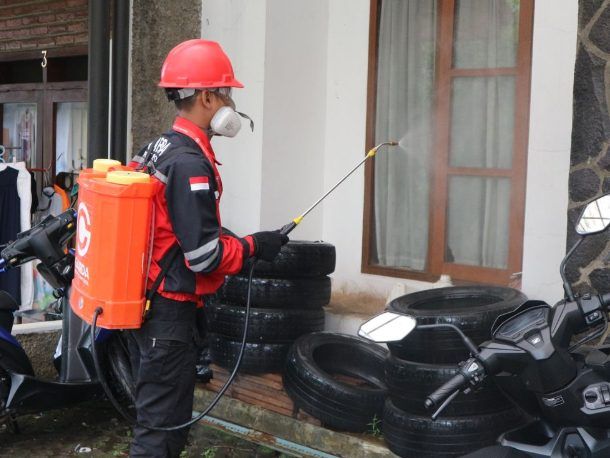
One frequently overlooked threat is pest activity. Termites, carpenter ants, rodents, and other pests can cause significant damage to building materials over time. In some cases, infestations remain hidden inside walls, crawl spaces, or storage areas until structural deterioration becomes severe. Working with professionals who provide commercial pest control services can help businesses detect infestations early, implement targeted treatment plans, and reduce the risk of damage to critical structural components before repairs become costly.
Ignoring these warning signs can lead to extensive damage that affects both the safety and functionality of a commercial property. A proactive approach allows businesses to address concerns before they escalate into major structural issues that disrupt operations and strain budgets.
The Role of Preventive Maintenance in Structural Protection
Preventive maintenance is one of the most effective ways to protect a commercial building from costly structural damage. Rather than waiting for problems to appear, preventive maintenance focuses on identifying and addressing potential issues before they develop into serious concerns.
A well-planned maintenance program should include routine inspections of key building systems. Roofing should be checked regularly for damaged materials, loose flashing, and signs of leaks. Gutters and drainage systems should remain clear to prevent water from accumulating around the structure. Exterior walls should be inspected for cracks, deterioration, and other signs of wear.
HVAC systems also play an important role in maintaining building health. Properly functioning heating and cooling equipment helps control moisture levels and reduces the risk of condensation-related damage. Plumbing systems should be monitored for leaks that could contribute to water intrusion and structural deterioration.
Documenting inspections and maintenance activities helps create a clear record of building conditions over time. This information can be valuable when planning future repairs, budgeting for improvements, and demonstrating responsible property management practices.
By investing in preventive maintenance, businesses can extend the lifespan of their buildings while minimizing unexpected repair costs.
Managing Moisture and Water Damage Risks
Water is one of the leading causes of structural damage in commercial properties. Even small amounts of moisture can create significant problems when left unaddressed. Over time, water intrusion can weaken building materials, promote mold growth, and contribute to foundation issues.
Commercial properties face several common sources of water damage. Roof leaks, plumbing failures, poor drainage systems, and foundation seepage are among the most frequent causes. Severe weather events can also increase the risk of water entering vulnerable areas of the building.
One of the most effective ways to manage moisture is through regular inspections. Roofing systems should be evaluated for signs of wear or damage, especially after major storms. Plumbing fixtures, pipes, and water supply lines should be checked for leaks. Drainage systems should direct water away from the building rather than allowing it to collect near the foundation.
Waterproofing measures can provide additional protection. Sealing foundation cracks, installing proper drainage solutions, and maintaining exterior barriers can help prevent moisture from entering the structure.
Prompt action is essential whenever water damage is discovered. Delaying repairs often allows problems to spread, increasing repair costs and creating additional risks for the building and its occupants.
Protecting the Building Exterior and Foundation
The exterior of a commercial property serves as a protective barrier against environmental conditions. When exterior components begin to deteriorate, the entire structure becomes more vulnerable to damage.
Roofing systems are especially important because they shield the building from rain, wind, and sunlight. Damaged roofing materials can allow moisture to enter the structure, leading to costly repairs. Regular roof inspections help identify issues before they become major problems.
Exterior walls, siding, windows, and doors should also be maintained to ensure they continue providing protection. Cracks, gaps, and damaged materials can create entry points for moisture and pests while reducing overall structural integrity.
The foundation deserves special attention as well. Foundation problems can affect the stability of the entire building. Signs such as cracks, uneven floors, sticking doors, or shifting walls should never be ignored.
Periodic professional assessments can help identify vulnerabilities that may not be obvious during routine inspections. Addressing concerns early often prevents more extensive structural damage and helps maintain the building’s long-term stability.
Structural damage can be one of the most expensive challenges a business property owner faces. Fortunately, many of the risks that lead to serious damage can be identified and addressed before they become major problems.
Routine inspections, preventive maintenance, moisture management, exterior upkeep, and pest prevention all play important roles in protecting commercial buildings. Taking action early is often far less expensive than dealing with extensive structural repairs after damage has occurred.
Business owners who prioritize property protection are investing in more than just a building. They are safeguarding their operations, protecting employees and customers, and preserving the long-term value of a critical business asset.
By adopting a proactive approach to property management, businesses can reduce costly surprises, improve building performance, and create a safer, more reliable environment for years to come.
