

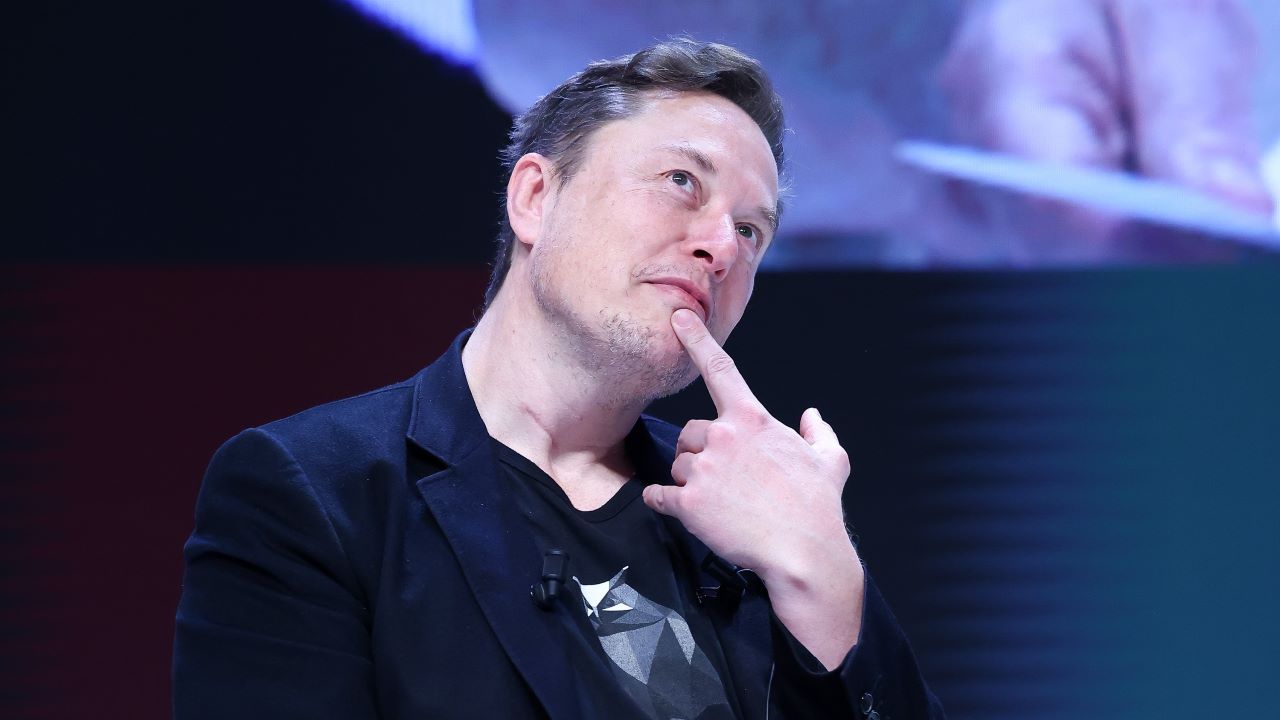
On July 11, 2026, Elon Musk said that SpaceX would start launching components for space-based data centers in 2027. The comment came in response to criticism from OpenAI CEO Sam Altman, who questioned the feasibility and investor appeal of orbital AI infrastructure.
The exchange stemmed from an earlier Musk post describing certain practices as advanced scamming, to which Altman replied by accusing Musk of promoting “short-term space data centers” to public market investors.
Musk countered by affirming SpaceX’s timeline: “We start flying them next year.” He also made a sarcastic remark about Altman potentially viewing the hardware with parole officer approval, alongside references to OpenAI’s origins and a concurrent Apple lawsuit against the company.
SpaceX has been developing the AI1 satellite, described as an orbital data center prototype. According to company details shared in June 2026, the AI1 features a height of approximately 20 meters and a solar wingspan of 70 meters.
It is designed for peak power levels of 150 kilowatts, supporting around 120 kilowatts of average compute capacity, with an estimated latency of about 3 milliseconds at orbital altitudes of 600 to 800 kilometers. If successful, the project could provide a boost to SpaceX stock following the sharp July decline that pushed shares below their IPO level.
SpaceX President Gwynne Shotwell said in a June 2026 interview that the first data center satellites could begin launching in late 2027 and that compute capabilities could also be integrated into existing Starlink satellites. Production is expected to rely on facilities like the one in Bastrop, Texas.
These plans build on Starlink technology but shift focus from communications to compute infrastructure. Musk has argued that space-based data centers could take advantage of continuous solar energy and the natural cooling environment of space, potentially making orbital AI computing more cost-effective over time.
The initiative was highlighted ahead of SpaceX’s June 2026 IPO, which valued the company at around $1.5 trillion at launch. The concept has also sparked technical debate. Proponents point to transferable Starlink manufacturing and launch expertise using Starship.
Critics, including astronomers, have raised concerns about interference with ground-based observations, while others have questioned heat management, regulatory hurdles, and the overall economic viability of large-scale orbital computing.
The Musk-Altman exchange also underscored the ongoing rivalry between the two leaders in the AI sector. It coincided with Apple’s July 10, 2026, lawsuit against OpenAI, accusing the company and former Apple employees of misappropriating trade secrets related to consumer hardware development, adding to the scrutiny surrounding the ChatGPT developer ahead of its upcoming IPO. OpenAI has denied the allegations.
SpaceX’s orbital data center ambitions remain at an early stage, with the timeline dependent on Starship’s progress and the usual regulatory approvals. If realized, the project would represent a significant expansion of space infrastructure beyond telecommunications.
As of mid-July 2026, the company continues to test key technologies and refine its plans, while public debate stays focused on both the promise of orbital AI infrastructure and the engineering and economic challenges of operating data centers in space.
