



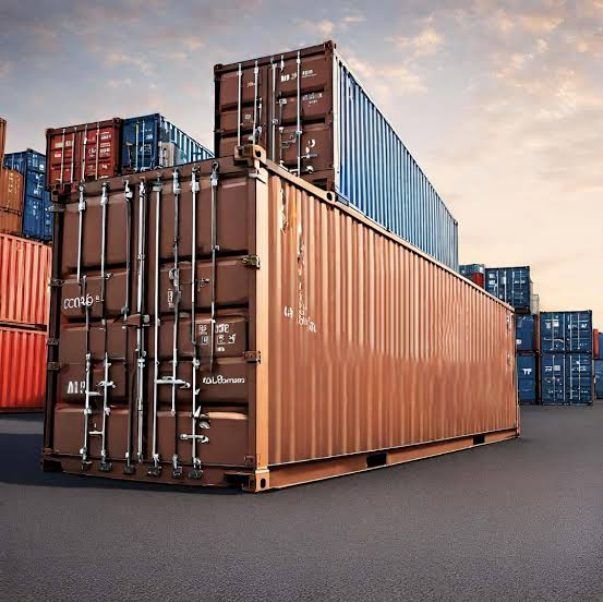
A practical guide for business owners and operations teams comparing container size, condition, delivery access, placement requirements, and total cost before buying.
Buying a shipping container can solve several business problems at once: storage pressure, equipment protection, jobsite organization, seasonal overflow, and space limitations. But the purchase only works well when the container fits the intended use, the site is ready, and the buyer understands the full cost beyond the listed price.
For business owners and operations managers, the goal is not just to find a container. The goal is to buy the right container, place it properly, and avoid preventable access, compliance, or condition issues.
Match the Container to the Business Use
The first decision should be practical: what will the container actually hold, and how often will staff need access? A company storing tools, inventory, records, construction materials, or seasonal equipment may not need the same container condition as a business planning export use or frequent relocation.
For static storage, many buyers focus on wind-and-watertight condition, door function, flooring, roof integrity, and lockbox options. For transport or export use, buyers may need a different standard, including cargo-worthy condition and valid documentation. Canada’s Safe Containers Convention Act outlines details related to CSC safety approval plates for containers used in transport, which is worth understanding when a container is intended for shipping rather than only storage.
For companies comparing options across Canada, a resource on shipping containers for sale can help clarify available sizes, condition types, and buying considerations before a purchase decision is made.
Compare Total Cost, Not Just Sticker Price
The lowest listed price is not always the lowest total cost. A container purchase can include delivery, site preparation, levelling materials, locks, vents, shelving, ramps, repainting, repairs, or modifications. These costs should be reviewed before the order is placed.
Condition also affects value. A cheaper unit with roof dents, stiff doors, damaged seals, soft flooring, or heavy rust may cost more over time if repairs are needed. On the other hand, paying for a higher-grade container may not be necessary if the unit will only be used for basic storage in a low-risk environment.
A practical buying process starts with three questions: What condition is required for the use case? What delivery and setup costs apply? What improvements are needed before the container can be used safely and efficiently?
Understand Common Container Condition Terms
Container terminology can be confusing for first-time buyers. “New,” “one-trip,” “used,” “cargo-worthy,” and “wind-and-watertight” do not all mean the same thing. These labels affect price, expected wear, suitability, and inspection priorities.
A one-trip container usually has less wear because it has made a limited journey after manufacturing. A used container may show dents, surface rust, markings, and wear from years of service. A wind-and-watertight container should keep out weather when properly closed, making it suitable for many storage applications. Cargo-worthy condition is generally more relevant when a container must be suitable for transport.
Before purchasing, buyers should ask for clear photos, condition details, and confirmation of door operation, floor condition, roof condition, and visible corrosion. For business use, a container should be inspected like an operational asset, not a simple commodity.
Plan Delivery Before the Purchase Is Finalized
Delivery planning is one of the easiest areas to underestimate. A container may be ready to buy, but that does not mean the site is ready to receive it.
Operations teams should confirm truck access, turning space, overhead clearance, ground conditions, drainage, and the final placement area. Soft ground, slopes, narrow entrances, overhead wires, tree branches, parked vehicles, or tight urban sites can complicate delivery. If the container must be placed in a specific orientation, that should be discussed before dispatch.
The placement area should be level and stable. Poor drainage can create pooling around the base, which may accelerate deterioration and make access inconvenient. If staff will use the container frequently, the location should also support safe entry, lighting, and clear walking paths.
Check Permit and Zoning Requirements Early
Businesses should not assume that a container can be placed anywhere on a property. Local rules can vary by municipality, zoning category, use, size, duration, and whether the container is modified or used as a structure.
For example, the City of Hamilton notes that the Ontario Building Code recognizes shipping containers as structures when used on land, and that structures over 10 square metres may require a building permit. The City of Ottawa has also issued advisory guidance stating that modifications to shipping containers may need to be designed under applicable Ontario Building Code requirements.
A practical pre-purchase review should include local zoning rules, building permit requirements, setback restrictions, fire access, drainage requirements, and any site-specific approval process. This is especially important for commercial, industrial, agricultural, construction, and multi-tenant properties.
Think About Workplace Safety and Access
Once the container is on-site, it becomes part of the workplace environment. Storage should be planned so employees can access materials without unsafe lifting, blocked exits, unstable stacking, or overloaded floors. Canada’s occupational health and safety regulations require workplace materials to be stored so supporting structures are not overloaded and employees are not required to lift in ways that may cause excessive strain.
Inside the container, simple improvements can make daily use easier. Shelving, labelled zones, aisle space, hooks, ramps, ventilation, and lighting can reduce clutter and improve access. If the container stores valuable equipment, lock quality and site visibility should also be considered.
Conclusion
Buying a shipping container is a practical decision, but it should still be planned carefully. The right purchase depends on use case, condition, delivery access, placement, compliance requirements, and long-term operating needs.
For business owners and operations teams, the strongest approach is to define the use first, compare total cost, prepare the site, check local rules, and treat the container as part of the company’s working infrastructure.
Additional Resources
For buyers comparing container availability and purchasing considerations nationally, this shipping containers canada resource offers more context on sizes, conditions, and purchase planning.


