

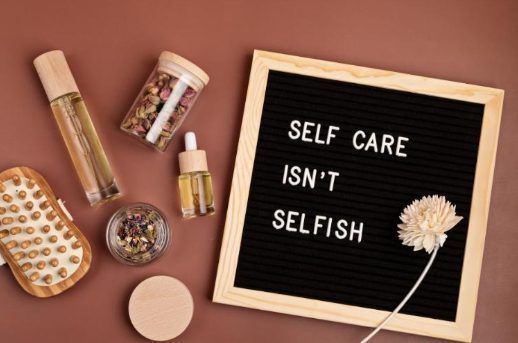
For years, self-care centered on spa treatments, fitness plans, skincare products, or expensive wellness retreats. While those experiences still hold value for many people, the broader conversation around personal well-being has shifted significantly.
Today, self-care looks less like a luxury purchase and more like a lifestyle adjustment. People are rethinking how they spend their free time, structure their routines, and recover from the pressures of constant connectivity. Instead of chasing productivity at all costs, many are prioritizing calm environments, intentional habits, and activities that help them feel grounded.
This shift reflects changing attitudes tox treatment toward work-life balance, digital fatigue, and emotional well-being. Across business, health, and lifestyle spaces, consumers are looking for more sustainable ways to support themselves mentally and physically.
As a result, self-care has become less about occasional indulgence and more about creating everyday experiences that reduce stress and encourage presence.
Self-Care Is Becoming More Personal
One of the biggest changes in modern wellness culture is the move away from one-size-fits-all routines. People are increasingly defining self-care based on what actually improves their quality of life rather than on online trends.
For some, that means setting boundaries around after-hours work communication. Others focus on creating quiet evening routines, spending more time outdoors, or reducing time spent on social media. In many cases, self-care has become less performative and more practical.
This shift is especially noticeable among younger adults who are reevaluating traditional ideas about success and productivity. Rather than treating rest as a reward earned after burnout, many now see recovery and balance as essential parts of daily life.
Some examples of modern self-care habits include:
- Cooking meals at home without distractions
- Creating phone-free hours during the evening
- Spending time gardening or caring for plants
- Prioritizing sleep routines over late-night productivity
- Building calming home environments with music, lighting, or nature
Wellness Is Expanding Beyond Traditional Fitness Culture
Fitness remains an important part of many wellness routines, but it is no longer the only measure of health-conscious living. Increasingly, people are recognizing that emotional well-being, rest, and mental clarity deserve equal attention.
This broader understanding of wellness has created space for alternative approaches to relaxation and recovery. Some people turn to meditation or journaling, while others focus on creative hobbies, music, or spending time outdoors.
In the legal cannabis space, this shift has influenced how certain brands communicate with consumers. Rather than focusing solely on products, many discussions now revolve around atmosphere, mindfulness, and lifestyle rituals.
For example, some adults interested in creating calm, intentional downtime may explore growing sativa seeds. From Grower’s Choice Seeds and other reputable brands, they’re part of broader conversations around personal routines and home-based leisure.
The growing interest in intentional relaxation reflects a larger cultural change. Consumers are increasingly selective about how they spend their energy, attention, and downtime.
Home Has Become the Center of Wellness
As more people spend time working remotely or embracing quieter social routines, the home has taken on a new role in personal well-being. Wellness is no longer limited to gyms, studios, or weekend retreats. Instead, people are designing daily environments that support relaxation and comfort.
This has influenced everything from interior design trends to entertainment habits. Soft lighting, natural materials, cozy outdoor spaces, and slower evening routines have become part of how people unwind after demanding days.
The rise of home-centered wellness has also changed how consumers approach hobbies and leisure activities. Activities once considered niche, such as gardening, listening to vinyl, baking, or tending to outdoor spaces, are now viewed as meaningful ways to disconnect from stress.
Businesses have responded by offering products and experiences tied to mood, atmosphere, and intentional living rather than pure convenience. In many industries, consumers are seeking experiences that feel tactile, immersive, and less digitally overwhelming.
Social Life Is Becoming More Low-Key
Another major shift in self-care culture involves social habits. Many adults are moving away from loud, fast-paced nightlife in favor of smaller gatherings and more relaxed environments.
Dinner parties, backyard hangouts, movie nights, and intimate social spaces have become more appealing to people seeking meaningful connection without overstimulation. These experiences often prioritize comfort and conversation rather than excess.
Several factors contribute to this trend:
- Digital Fatigue: Constant notifications and online engagement leave many people craving quieter forms of interaction.
- Burnout Culture: After years of pressure to remain constantly productive, people are becoming more protective of their time and energy.
- Desire for Intentional Experiences: Consumers increasingly value experiences that feel personal, calming, and memorable rather than performative.
This evolution in social behavior also affects hospitality, entertainment, and lifestyle industries. Businesses that create welcoming, low-pressure experiences often resonate more strongly with audiences seeking balance.
The Business of Self-Care Is Changing
As consumer attitudes evolve, businesses are adjusting their approach to wellness marketing. Traditional luxury messaging is becoming less effective than messaging centered around authenticity, comfort, and emotional connection.
Consumers are also more skeptical of overly polished wellness trends that promise unrealistic transformations. Instead, they tend to gravitate toward brands that acknowledge the realities of stress, burnout, and modern life.
This has led to a rise in products and services designed around slower living and personal atmosphere. Companies connected to home entertainment, gardening, wellness routines, and relaxation-focused hobbies have benefited from this broader cultural movement.
Grower’s Choice Seeds, for example, operates within a space increasingly shaped by lifestyle conversations rather than traditional advertising language. The emphasis has shifted toward how people create personal rituals and environments that help them disconnect, recharge, and feel more present in everyday life.
Conclusion
Self-care has expanded far beyond spa appointments and fitness trends. Today, it reflects a broader effort to create healthier relationships with time, rest, technology, and personal well-being.
People are redefining wellness through everyday routines, intentional environments, and slower forms of living that support emotional balance as much as physical health.
This shift is influencing industries far beyond traditional wellness spaces. From home design to entertainment and lifestyle habits, consumers are prioritizing experiences that feel calming, meaningful, and sustainable over the long term.
As attitudes toward self-care continue to evolve, the focus will likely remain on personalization and authenticity. Rather than following rigid definitions of wellness, more people are choosing routines and environments that genuinely help them feel grounded in daily life.
