

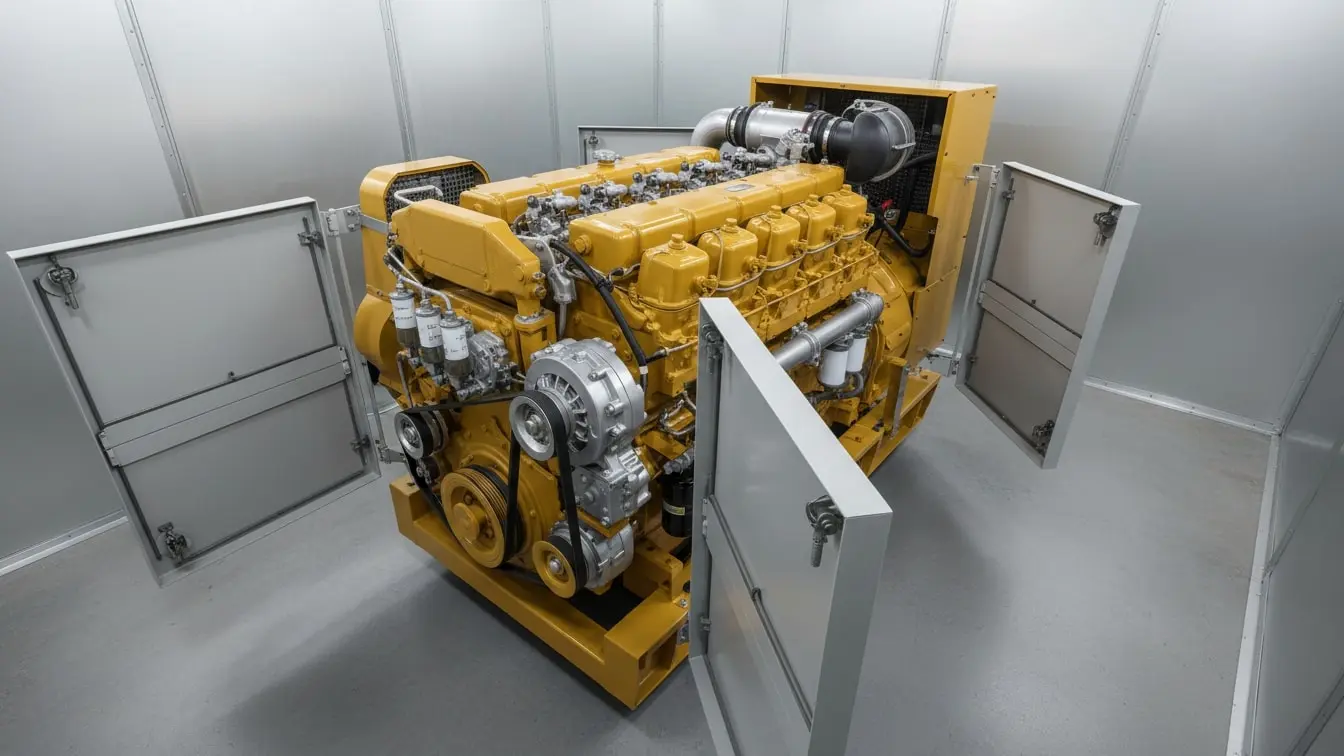
What to check first?
A solid generator maintenance checklist should help readers prevent failures, spot small problems early, and keep backup power ready when it matters most. The most useful articles on this topic focus on practical checks before use, scheduled service at intervals, and simple warning signs indicating when expert help is needed.
That approach makes the article helpful for homeowners and property managers who want clear steps instead of vague advice.
The first step is to slow down and do a full walkaround. A strong generator inspection checklist starts with the unit’s exterior, then moves on to fluids, airflow, battery health, and visible signs of wear. This helps turn basic care into real, generator-planned maintenance instead of rushed guesswork during an emergency.
Start here:
- Visually inspect the cabinet, frame, and connections for rust, dirt, loose parts, or damage
- Check the fuel level and look for signs of contamination or leaks
- Review each fluid level, including oil and the coolant level
- Look at the air filter for dirt buildup
- Check the exhaust system for blockage, cracks, or loose fittings
For local readers looking into generator maintenance in Upper Saddle River, NJ, the same first-step process applies whether the unit is used often or only during storms.
Weekly and monthly checks
A complete electric generator maintenance checklist should separate quick checks from deeper service. Weekly reviews help you confirm the unit still starts, runs, and responds as expected. Monthly care goes further, helping catch wear before it leads to a shutdown.
Weekly checks should stay simple. Run the unit briefly, listen for rough operation, and look for leaks, vibration, or smoke. These short reviews matter because regular inspections often reveal issues before a major power outage puts the unit under pressure.
Monthly care should cover a few extra items:
- Confirm battery voltage is within a healthy range
- Check the cooling system for leaks, hose wear, or residue
- Review the fuel filter and the signs of restricted flow
- Clean debris around vents and moving parts
- Inspect the electrical system for corrosion, loose wiring, or damaged insulation
This is also where routine inspections support long-term performance. Some systems need more frequent checks based on age, weather exposure, and how often they run. A clear maintenance schedule helps owners track service dates and avoid missing important steps.
Annual service points
Annual care should be more thorough than a quick visual review. This is when the generator needs a more comprehensive service plan that includes internal wear, filter replacement, and functional testing. A strong generator service checklist includes both engine-related care and backup power transfer checks.
For example, a full diesel generator maintenance checklist should address fuel quality, cooling performance, battery condition, and filter replacement. This matters even more for diesel generators, which may sit unused for long periods and still need to perform under load without hesitation.
Common annual maintenance tasks include oil changes, coolant replacement if needed, terminal cleaning, inspection of belts and hoses, and checks on transfer equipment. In some cases, load bank testing is also used to confirm that the generator can handle real demand under controlled conditions.
Simple checklist by interval
| Service interval | What to focus on |
| Before each run | Check cabinet condition, leaks, fuel, oil, and startup behavior |
| Weekly | Run the unit, inspect for smoke, vibration, or unusual sounds |
| Monthly | Review battery, filters, coolant, airflow, and visible wiring |
| Annually | Perform deeper service, replace worn parts, and test the transfer switch |
When to call a professional?
Some issues go beyond normal owner care. If the generator struggles to start, shuts down under light demand, leaks coolant or fuel, or shows signs of wiring damage, expert service is the safer choice.
Persistent problems inside the transfer components, fuel delivery system, or battery charging setup should not be ignored.
Professional generator servicing is also a good idea when the unit has been left unattended for a long time. Missed service can lead to clogged filters, weak charging, low fluids, and hidden wear that only shows up when backup power is needed most.
That is why many owners include a yearly inspection in their maintenance schedule, even when the generator seems to be working fine.
A well-kept unit offers more than convenience. It helps protect food, medical devices, heating, cooling, and essential home systems during outages. More importantly, it gives owners peace of mind because they know the generator has been checked, tested, and maintained before an emergency starts.
