

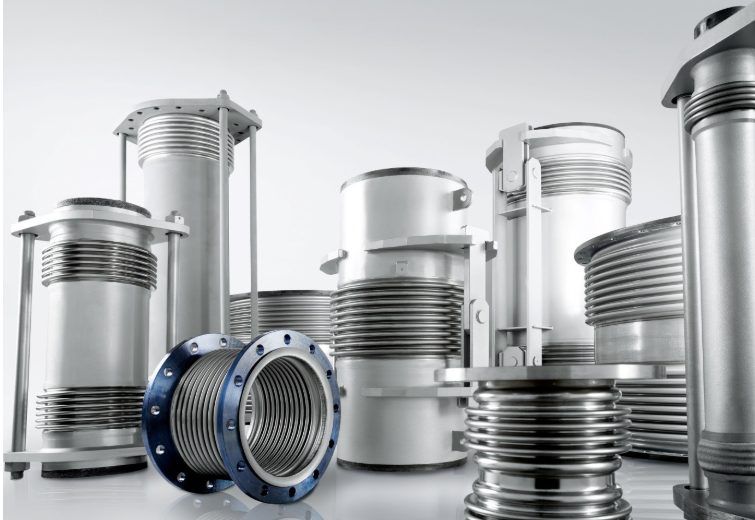
In any industrial system, movement is unavoidable. Nothing stays completely still. Pipes expand when exposed to heat, contract when temperatures drop and often vibrate during regular operations. Over time, even these small, repeated movements can put serious stress on the system. If not managed properly, this stress can lead to cracks, leaks, or even major system failures.
That’s where metal expansion joints come in.
Metal expansion joints are flexible components used in piping systems to absorb movement, reduce stress, and handle vibration. They allow systems to adjust naturally without causing damage or strain.
Even though they may seem like small parts, they play a huge role in keeping systems safe and efficient. Let’s have a look at the most common uses of metal expansion joints in different industries.
Power Generation Industry
Power plants are one of the most common places where metal expansion joints are used.
We all know that power plants operate under extreme temperatures and pressure. Whether it’s a thermal, nuclear, or renewable setup, heat and stress are always part of the process. Pipes carry steam, hot gases, and fluids that keep expanding and contracting. And without proper flexibility, this constant movement can damage the pipes and connected equipment.
Metal expansion joints help by:
- Absorbing thermal expansion in steam lines
- Reducing stress on pipes and boilers
- Handling high-pressure flow safely
- Preventing damage caused by high temperatures
They are commonly installed in boiler connections, exhaust systems, and turbine pipelines to ensure smooth and safe operations.
Oil and Gas Industry
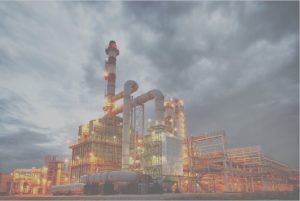
The oil and gas industry deals with highly demanding conditions such as high pressure, temperature fluctuations, and even corrosive materials. Because of this, pipelines need to be strong as well as flexible to handle constant movement.
Metal expansion joints are used here to:
- Manage pipeline expansion and contraction
- Absorb vibration from heavy machinery
- Handle pressure surges and flow variations
By reducing stress on joints and connected systems, they help prevent wear and tear over time. However, it’s equally important to purchase from a reliable metal expansion joint manufacturer. This helps ensure smoother operations and reduces the risk of leaks or failures.
They are commonly used in refineries, offshore platforms, and pipeline systems.
Chemical and Petrochemical Industry
In chemical processing plants, different substances flow through pipelines, and some can be highly reactive or corrosive. This makes it important to not only manage movement but also use materials that can handle these aggressive substances.
Petrochemical plants, on the other hand, operate in conditions similar to oil refineries but often involve more complex processes.
Metal expansion joints are ideal in these two industries because they:
- Resist high temperatures and chemical exposure
- Absorb expansion in hot fluid lines
- Prevent damage caused by sudden pressure changes
- Maintain system stability during continuous operations
These are widely used in pipelines carrying acids, gases, hydrocarbons, and high-temperature fluids, helping maintain safety and avoid costly shutdowns.
HVAC Systems (Heating, Ventilation, and Air Conditioning)
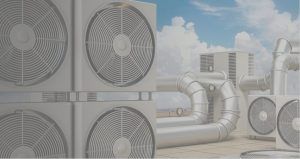
Metal expansion joints are not limited to heavy industries. They are also used in everyday systems like HVAC (Heating, Ventilation, and Air Conditioning).
HVAC systems include long air ducts and piping networks that expand and contract due to temperature changes. Without proper flexibility, it can lead to noise, cracks, leaks, or even reduced efficiency.
Metal expansion joints help by:
- Allowing movement in duct systems
- Preventing duct damage
- Reducing noise and vibration
- Improving system lifespan
- Maintaining efficient airflow
You’ll often find them in large buildings such as malls, airports, hospitals, and other commercial spaces.
Water Treatment and Distribution
Water treatment plants and distribution systems rely on large piping systems to move water through different stages of treatment. They may not deal with extreme heat like other industries, but they still face pressure changes, temperature variations and movement in pipelines.
Metal expansion joints play an important role in:
- Absorbing movement caused by pressure fluctuations
- Protecting pumps and valves from stress
- Maintaining tight, leak-free connections
- Extending the life of the system.
They are used in water pipelines, pumping stations, and wastewater treatment facilities, ensuring smooth and uninterrupted flow.
Steel and Metal Processing Plants
Steel plants operate under extremely high temperatures. Molten metal, hot gases, and heavy machinery create a very demanding environment. Due to this, pipes and systems are constantly exposed to heat and movement. This can lead to cracking, bending, or damage if not managed properly.
Metal expansion joints are used to:
- Absorb thermal expansion in furnace lines
- Handle extreme heat
- Reduce stress on heavy machinery
Their ability to withstand high temperatures while staying flexible makes them ideal for these tough environments.
You’ll often find them in furnaces, exhaust systems, and high-temperature pipelines that experience constant expansion and contraction.
Pulp and Paper Industry
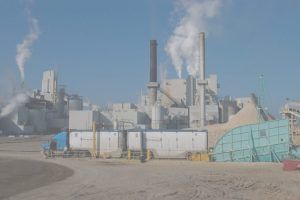
The pulp and paper industry may not seem as demanding as others, but it still involves high temperatures, steam, and chemicals during processing. Pipelines in these plants are constantly exposed to thermal expansion and mechanical stress.
Metal expansion joints help by:
- Handling expansion in steam lines
- Reducing vibration in machinery connections
- Supporting continuous production without interruptions
This not only improves efficiency but also reduces maintenance needs over time.
They are commonly installed in equipment like digesters, boilers, and processing units, as well as in connected systems such as steam lines and drying sections.
Marine and Shipbuilding Industry
Ships and offshore structures operate in constantly changing conditions. Continuous motion, engine vibrations, and temperature changes make flexibility very important in their piping systems. Without it, pipes can face stress, misalignment, or damage over time.
