

It tends to show up in meetings that run a bit too long. People circle around the numbers, avoid saying what is obvious, and move on without really fixing anything. Meanwhile, small costs keep stacking up. Extra tools, repeated work, things approved months ago that no one questions now. The issue is not a lack of ideas. Most teams have plenty. The problem is that growth pushes one way while cost control pulls another, and keeping both steady takes more effort than it sounds.
Cost Control is No Longer About Cutting, It Is About Shaping
It used to be pretty straightforward. When costs climbed, companies reacted fast. Hiring was paused, budgets were trimmed, and projects got pushed back. It helped in the short term, but it also slowed things down and wore people out more than expected.
Now it feels less abrupt. Instead of cutting wide, companies are looking more closely at where money actually goes. Some work overlaps without anyone noticing. Tools stay active but barely get used. Processes keep growing, step by step, until they are heavier than they need to be. So, the changes happen gradually. Small fixes, small removals. It is not flashy, but over time, it straightens things out.
Rethinking Physical Assets and Operational Flexibility
There has been a gradual shift in how companies deal with space and physical setups. Instead of locking into large, fixed investments, many are leaning toward options that can be adjusted when things change, which they usually do. It is less about owning everything outright and more about keeping room to adapt without carrying long-term weight.
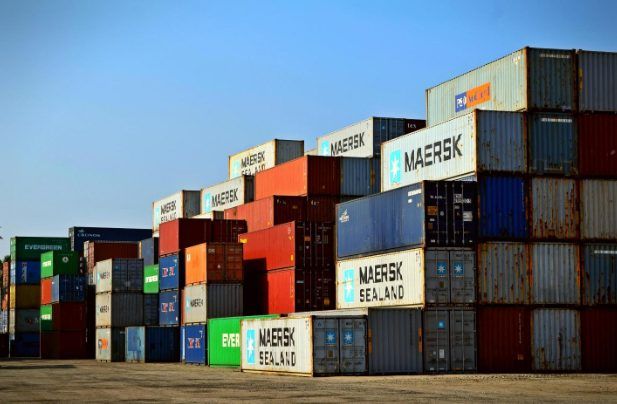
You can see this across different industries. In logistics, construction, and even retail, setups are being kept more flexible. Some businesses, for example, look online for shipping containers for sale to address changing storage needs. It is a practical way to handle changing space needs without committing to permanent builds. It is not really about the container itself. It is the flexibility behind it that makes sense.
The Hidden Cost of Inefficient Habits
Some costs never show up clearly on a report. They sit in on how work gets done. Extra meetings that run without purpose, reports sent out of habit, approvals that slow things down, but no one really questions why they exist. These things build quietly over time, and because everyone is used to them, they stay.
After a while, the effect is hard to ignore. Work drags. People stay busy, but nothing moves as fast as it should. Small delays keep stacking, and it starts to affect results.
Teams that take cost seriously begin to look at these patterns. They ask simple questions, even if they feel a bit awkward. Do we still need this step? Who is actually using this? What happens if we stop? The answers are not always neat, but the process itself clears a lot.
Technology Is Helping, But It Is Not a Clean Fix
There is a common belief that adding new tools will automatically reduce costs. Sometimes it does. Often, it just moves the problem around. Many companies now have layers of software handling communication, tracking, reporting, customer interaction, and internal planning. Each tool solves something, but together they can create complexity. People spend time switching between systems instead of doing the work itself.
The companies managing this well are not adding more tools. They are reducing them. They look for overlap, remove what is not needed, and focus on systems that actually improve speed or clarity. It is less exciting than adopting new technology, but it tends to be more effective.
There is also a shift toward training people better instead of just giving them more tools. A well-used system can replace three poorly used ones. That part gets overlooked.
Growth Without Hiring Too Fast
Bringing in new people sounds like the easiest way to grow, but it adds weight quickly. Salaries, onboarding, long-term commitments. Once those decisions are made, they are not easy to undo, even if things slow down later.
Lately, companies are pausing before they hire. They look at how work is already being handled. Sometimes roles overlap. Sometimes tasks are uneven, or time is not used well. Fixing that can ease pressure more than adding another person.
Hiring still happens, just with more care. The focus shifts to filling gaps that actually block progress, not just adding hands. It is a bit of a balancing act, and not always clean. Too few people cause strain. Too many create problems that linger longer.
Supply Chains Are Being Simplified, Not Expanded
Costs often creep in through supply chains, but not in obvious ways. Over time, more vendors get added, extra steps come in, and processes become layered. It feels safer to have options, but it also makes things heavier than needed.
What some companies are doing now is stepping back and simplifying. Fewer suppliers, more direct communication, less back and forth. It clears up confusion and, in many cases, lowers cost without slowing anything down.
This is not about cutting ties blindly. It is more about looking closely. Which partners are actually useful? Which ones are just there because they have always been? It takes time, and it can feel uncomfortable at first, but it usually makes things steadier later.
Small Decisions Are Carrying More Weight
There is no single move that reduces costs while maintaining growth. It is usually a series of small decisions, made consistently. Choosing not to renew a tool that is rarely used. Adjusting a process that adds unnecessary steps. Reworking how a team handles communication. None of these decisions look significant on their own. Together, they change how the company operates.
What stands out is that companies are paying more attention to these details now. Not in a reactive way, but as part of regular thinking. Cost control is no longer a one-time effort. It is becoming part of daily operations. And growth, when it happens, feels less forced. It is supported by systems that are lighter, clearer, and easier to adjust when things change again, which they usually do.
