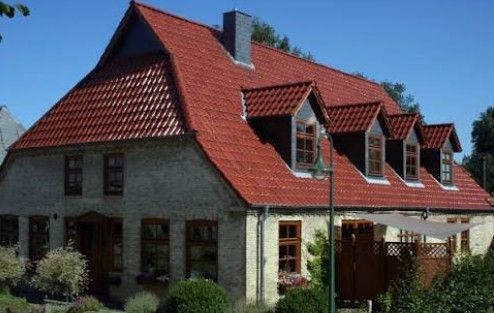
A roof has a major role in the look and function of a home. Some roof styles combine features from more than one design to balance appearance with practical use. One example is a roof that blends classic shapes into a single structure. This guide explains how the style works and why it appears on many homes.
Architectural Mechanics of a Gable Roof
A Dutch gable roof combines a hip roof with a small gable placed at the top. The lower section has four sloped sides, while the upper gable adds extra height near the ridge. This layout may help improve attic space and allow room for windows or vents. The hip section helps spread weight across all sides of the building. The small gable creates extra headroom where it is needed most. Builders often choose this design when a simple hip roof offers less interior space than expected.
Main Features and Benefits
This roof style offers several useful features that suit different home designs. It brings together the strong points of hip and gable roofs in a balanced way. While every house has unique needs, this design may help improve both function and appearance.
Common benefits include:
- Extra attic or loft space
- Better airflow through added vents
- More natural light with gable windows
- A shape that sheds rain with ease
- A distinctive exterior appearance
Roof Shape and Interior Space
The upper gable creates more usable height than a standard hip roof. That extra space may suit storage, mechanical equipment, or a finished attic. It also gives designers more flexibility when window placement matters. These small changes can make the upper level feel more open.
Points to Think About Before Installation
This roof style has a more detailed frame than a basic gable roof. The extra joints and roof sections require careful planning during construction. Good flashing and proper sealing help reduce the chance of water entering at connection points. Skilled workmanship plays a key role from start to finish. Repair work can also take extra time if the roof includes several valleys or transitions. Even so, regular inspections and routine maintenance may help extend the roof’s service life.
Where This Roof Style Fits Best
Homes with traditional, cottage, colonial, or custom designs often use this roof style. It works well when extra attic space is useful without changing the overall footprint of the house. A Dutch gable roof may also suit areas that receive regular rain because the sloped sides support water runoff. Final design choices should always match local building rules and climate conditions.
Where This Roof Style Fits Best
Homes with traditional, cottage, colonial, or custom designs often suit this roof style. It can provide extra attic space without changing the overall footprint of the house.
| Home or Climate Factor | Why the Roof May Suit It |
| Traditional homes | The combined roof shape complements classic architectural details. |
| Cottage-style homes | The upper gable can add character and create space for a small window. |
| Colonial homes | Its balanced form can suit the symmetry found in colonial architecture. |
| Homes with limited attic space | The raised gable may provide more headroom near the roof peak. |
| Areas with regular rainfall | The sloped hip sections help direct rainwater toward the gutters. |
| Wind-prone locations | The hip section may help distribute wind pressure across several roof slopes. |
Every roof style comes with strengths and tradeoffs, so the best option depends on the home’s layout and goals. This combination of hip and gable elements offers a practical balance between appearance and function. With thoughtful planning and proper construction, it can serve a home well for a long time while adding useful interior space and architectural character.