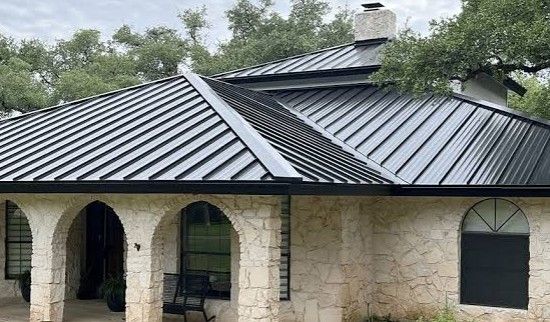
A roof replacement is a significant investment, and understanding what influences the final estimate helps homeowners plan with greater confidence. Although every property is different, several key elements consistently shape the overall project cost. Learning what contractors evaluate before preparing an estimate also makes it easier to compare proposals fairly. The sections below explain the primary factors that influence pricing and why each one matters before work begins.
1. Roof Size Creates the Foundation of Every
The average roof replacement cost in Omaha starts with the total size of the roof. A larger surface requires additional shingles, underlayment, flashing, fasteners, and labor, making the overall investment naturally higher. Professional contractors calculate measurements carefully instead of relying on rough estimates, helping ensure every required material is included from the beginning.
Beyond square footage, roof sections with multiple elevations or attached structures increase the amount of planning needed. Accurate measurements also reduce the chance of material shortages or unnecessary waste, allowing the project to progress more efficiently.
What Contractors Measure
- Total roof surface area
- Number of roof sections
- Ridges, hips, and valleys
- Areas around chimneys, skylights, and vents
2. Roofing Material Selection Influences Price in Omaha
Material choice affects far more than appearance. Different roofing products offer varying levels of durability, weather resistance, and expected service life, which naturally changes the total project investment. Homeowners should compare long-term performance instead of focusing solely on the initial estimate.
Professional contractors also recommend compatible underlayment, flashing, ventilation products, and other system components that support the selected roofing material. Choosing products designed to work together helps create a dependable roofing system built for lasting protection.
3. Roof Design and Structural Features Increase Project Complexity
A simple roof generally requires less labor than one with multiple slopes, dormers, valleys, or intersecting sections. Each transition demands careful installation to maintain reliable water protection and proper material alignment. As architectural complexity increases, crews spend additional time completing detailed work.
Steeper roof slopes also require specialized safety practices and controlled material handling. These additional project requirements contribute to the overall estimate while helping maintain installation quality from start to finish.
Features That Affect Labor Requirements
- Steep roof pitches
- Multiple valleys and intersecting rooflines
- Skylights and chimney flashing
- Dormers and other architectural details
4. Existing Roof Conditions Can Change the Final Estimate
Once the existing roofing materials are removed, contractors can inspect the decking and supporting structure more thoroughly. If damaged sheathing or worn components are discovered, those areas should be repaired before the new roofing system is installed. Addressing these conditions at the proper stage supports long-term performance and protects the investment.
The average roof replacement cost in Omaha may vary when inspections reveal structural issues that cannot be identified from the exterior alone. A detailed inspection allows homeowners to understand exactly what their property requires before installation moves forward.
5. Required Roofing Components Can Increase the Estimate
A roof replacement includes much more than new shingles. Essential components such as underlayment, flashing, ventilation, drip edge, and fasteners all work together to protect the home and support the performance of the entire roofing system. The type and quantity of these materials depend on the roof’s design and the project’s specific requirements, which can influence the final estimate.
Homeowners should review each proposal carefully to understand which components are included instead of comparing estimates based only on price. A detailed scope of work explains the materials being installed and helps property owners recognize the value of a complete roofing system that is designed for long-term performance.
Roof replacement pricing depends on several connected factors, including roof size, material selection, structural condition, design complexity, and required roofing components. Understanding these elements helps homeowners compare estimates with greater confidence and recognize what contributes to long-term value. Property owners in Omaha can make better-informed decisions by reviewing each proposal carefully before moving forward.