

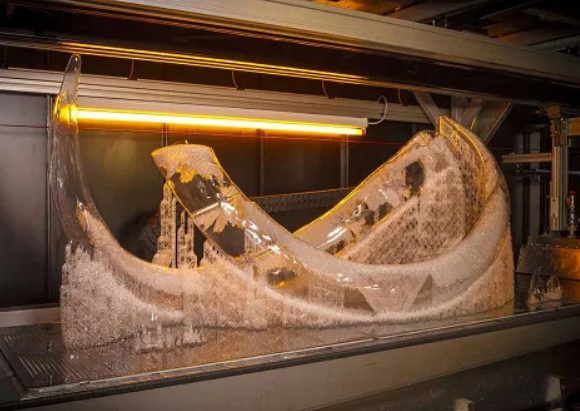
Imagine stepping into a realm where physical objects materialize from digital designs—that’s the magic of 3D printing. But how does this wizardry actually work?
The intricate dance of technology and creativity behind 3D printing might just surprise you.
If you’re curious to uncover the secrets of this modern marvel and explore more advanced manufacturing processes like custom injection molding, consider visiting www.kemalmfg.com, a leading Custom Injection Mold & Injection Molding Manufacturer. They seamlessly blend cutting-edge techniques with precision engineering to bring even the most complex digital designs into the physical world.
Key Takeaways:
- 3D printing builds objects layer by layer using additive manufacturing processes.
- Various technologies like FDM and SLA enable creation of intricate designs efficiently.
- The process involves designing in CAD software, slicing layers, and post-processing for refinement.
- Applications span healthcare, automotive, fashion, and education, revolutionizing industries with customized solutions.
History of 3D Printing
Explore how 3D printing revolutionized manufacturing processes through the years. It all began in the 1980s when Chuck Hull invented stereolithography, the first 3D printing technology. This groundbreaking invention paved the way for the development of additive manufacturing techniques. Initially used for rapid prototyping, 3D printing soon expanded its applications to various industries, including aerospace, automotive, healthcare, and more.
As the technology evolved, so did its capabilities. The introduction of new materials like metal, ceramics, and composites enabled the production of functional end-use parts, not just prototypes. Improved printing speed and precision made it feasible to create complex designs with intricate details that were once impossible to achieve with traditional manufacturing methods.
Today, 3D printing has transformed the manufacturing landscape by offering cost-effective, customizable, and on-demand production solutions. It has empowered designers, engineers, and entrepreneurs to innovate and iterate quickly, accelerating the product development cycle. With continuous advancements in materials and techniques, the future of 3D printing holds limitless possibilities for reshaping industries and driving innovation.
Basic Principles of 3D Printing
Understanding the basic principles of 3D printing enhances your grasp of this innovative manufacturing technology. Here are the fundamental concepts that underpin 3D printing:
- Layer-by-Layer Printing: 3D printing builds objects layer by layer, following a digital design to create a three-dimensional object.
- Additive Manufacturing: Unlike traditional subtractive methods that involve cutting away from a solid block of material, 3D printing adds material layer by layer, reducing waste and enabling complex geometries.
- Digital Design: The key to 3D printing is a digital design file created using computer-aided design (CAD) software, which serves as the blueprint for the object to be printed.
- Material Extrusion: One common method of 3D printing involves extruding melted material through a nozzle that moves along the X, Y, and Z axes, depositing material to create the desired object.
Types of 3D Printing Technologies
To expand on your understanding of 3D printing, it’s essential to explore the various types of 3D printing technologies available in the industry today. Among the most common types are Fused Deposition Modeling (FDM), Stereolithography (SLA), Selective Laser Sintering (SLS), and Digital Light Processing (DLP).
FDM, which uses thermoplastic filaments to create objects layer by layer, is widely used due to its affordability and simplicity. SLA, on the other hand, employs a resin that hardens when exposed to ultraviolet light to produce highly detailed models. SLS utilizes a laser to bind powdered materials together, making it suitable for creating complex geometries. DLP operates similarly to SLA but uses a digital light projector to cure the resin.
Each technology has its strengths and weaknesses, making them suitable for different applications ranging from rapid prototyping to creating end-use parts. Understanding the distinctions between these technologies can help you choose the most suitable one for your specific 3D printing needs.
Step-by-Step Process of 3D Printing
Delve into the sequential steps involved in 3D printing to grasp the intricacies of this innovative manufacturing process.
- Design Creation: Begin by creating a 3D model using Computer-Aided Design (CAD) software. This digital design will serve as the blueprint for the physical object to be printed.
- Slicing: The 3D model is then sliced into thin layers using slicing software. This process divides the model into hundreds or thousands of horizontal layers to guide the 3D printer on how to build the object layer by layer.
- Printing: The 3D printer reads each sliced layer of the design and starts the printing process. The printer extrudes material layer by layer, following the instructions from the slicer software, to gradually build the physical object.
- Post-Processing: Once the printing is complete, the object may require post-processing. This can include removing support structures, sanding, painting, or any additional finishing touches to achieve the desired final product.
Applications of 3D Printing
Exploring the diverse applications of 3D printing showcases the versatility and impact of this technology in various industries. From healthcare to aerospace, 3D printing has revolutionized the way products are designed and manufactured. In the medical field, it’s used to create custom prosthetics, implants, and even organs for transplantation, improving patient care and outcomes.
Architects and engineers employ 3D printing to quickly produce intricate models and prototypes, saving time and costs in the construction process.
Moreover, the automotive industry utilizes 3D printing for rapid prototyping of parts and components, leading to faster innovation cycles and enhanced vehicle performance. In the fashion world, designers leverage this technology to unleash their creativity by producing unique clothing, accessories, and footwear.
Additionally, 3D printing plays a crucial role in education by allowing students to visualize complex concepts in a tangible way, making learning more engaging and effective. As the technology continues to advance, its applications will only expand, shaping the future of various sectors.
Frequently Asked Questions
Can 3D Printing Be Used to Create Food or Edible Items?
Yes, 3D printing can be utilized to create food or edible items. It involves using specialized ingredients to build edible structures layer by layer. This innovative technology opens up possibilities for creating unique and customized edible creations.
Are There Any Safety Concerns Associated With Using 3D Printing Materials?
When using 3D printing materials, ensure proper ventilation to minimize inhaling fumes. Always follow manufacturer guidelines for safe handling. Be cautious with heated components to prevent burns. Prioritize safety by wearing appropriate protective gear.
How Does the Cost of 3D Printing Compare to Traditional Manufacturing Methods?
When comparing costs, 3D printing can be more cost-effective than traditional manufacturing methods due to reduced material waste and faster production times. It’s a smart choice for efficient and economical production.
Can 3D Printing Be Used to Create Complex Moving Parts or Mechanisms?
Yes, 3D printing can absolutely be used to create complex moving parts or mechanisms. The technology allows for intricate designs to be produced layer by layer, offering great flexibility in manufacturing such components efficiently.
What Are the Limitations of 3D Printing in Terms of Materials and Size?
When it comes to the limitations of 3D printing in terms of materials and size, you’ll find that certain printers can only handle specific materials like plastics or metals, and there are restrictions on the size of objects that can be printed.
