

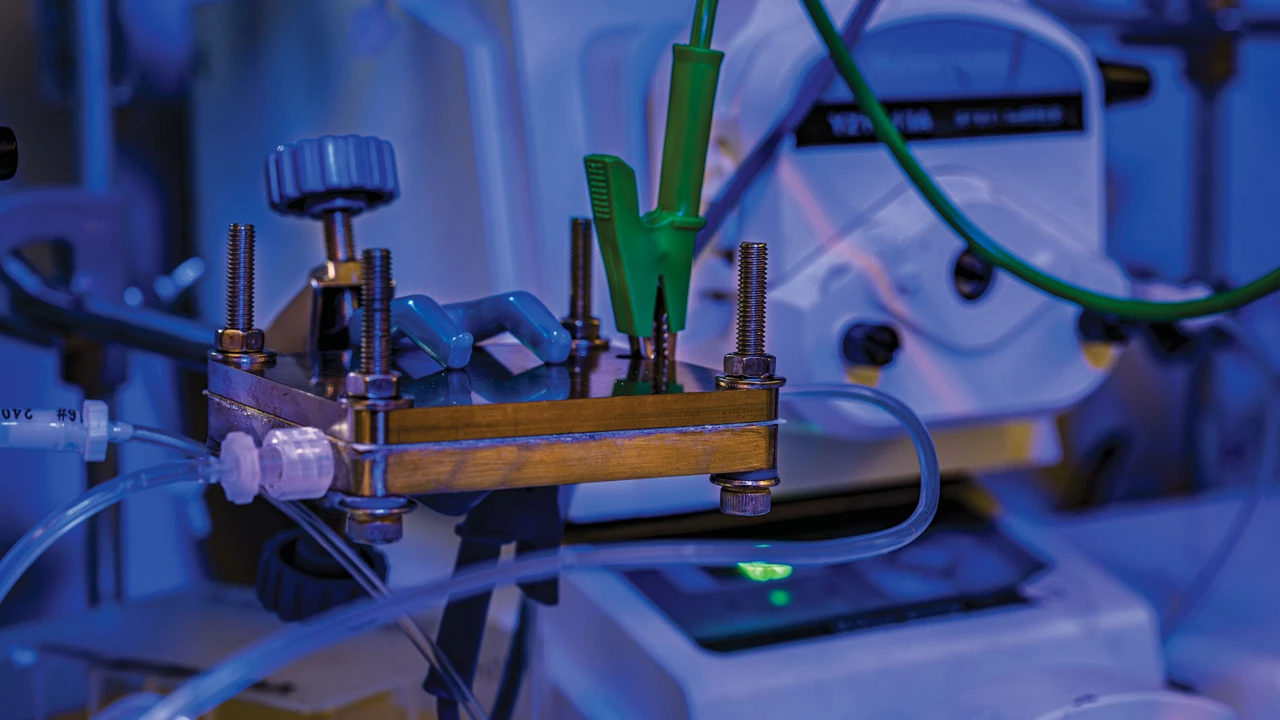
Lithium iron phosphate batteries, often called LiFePO4 batteries or LFP batteries, are a type of rechargeable lithium battery known for their long life, stable performance, and strong safety profile. They are used in everything from electric vehicles and solar energy storage systems to golf carts, forklifts, backup power systems, and portable electronics.
As more businesses, homeowners, and industries move toward battery-powered equipment and renewable energy systems, lithium iron phosphate batteries are becoming more common. Understanding what they are, how they work, and where they are used can help organizations manage them properly throughout their life cycle.
What Is a Lithium Iron Phosphate Battery?
A lithium iron phosphate battery is a rechargeable battery that uses lithium iron phosphate as the cathode material. The name is often shortened to LiFePO4, which comes from the chemical formula for lithium iron phosphate.
Like other lithium-based batteries, LiFePO4 batteries store and release energy by moving lithium ions between the battery’s positive and negative electrodes. What makes them different is the chemistry used inside the battery. Instead of using materials such as cobalt or nickel in the cathode, LFP batteries use iron phosphate.
This chemistry gives lithium iron phosphate batteries several practical advantages, especially for applications where safety, long cycle life, and consistent performance matter.
Why Are LiFePO4 Batteries Popular?
Lithium iron phosphate batteries have become popular because they offer a strong balance of performance, durability, and safety. While they may not always have the highest energy density compared to some other lithium-ion batteries, they are often preferred in applications where reliability is more important than having the lightest or smallest battery possible.
Many businesses and equipment operators choose LFP batteries because they can handle frequent charging and discharging. This makes them useful for systems that are used every day, such as solar battery storage, electric carts, industrial equipment, and backup power systems.
Key Benefits of Lithium Iron Phosphate Batteries
Long Battery Life
One of the biggest advantages of lithium iron phosphate batteries is their long cycle life. A battery cycle refers to one full charge and discharge. LiFePO4 batteries are designed to handle many cycles before their capacity drops significantly.
This makes them a practical option for equipment and energy systems that are charged and discharged often. For businesses, a longer-lasting battery can reduce downtime, replacement costs, and maintenance needs.
Stable and Reliable Performance
LFP batteries are known for delivering steady power over time. They can provide consistent voltage and performance through much of their charge cycle, which is useful for applications that need dependable energy output.
This reliability is one reason they are commonly used in solar energy storage, electric vehicles, and commercial power backup systems.
Improved Safety Profile
Lithium iron phosphate batteries are often considered one of the safer lithium battery chemistries. Their chemistry is more thermally stable than many other lithium-ion battery types, which can reduce the risk of overheating when batteries are properly manufactured, used, and managed.
This does not mean they can be handled carelessly. Damaged, swollen, overheated, or improperly stored batteries can still create serious safety risks. However, LFP batteries are widely valued for their stable chemistry.
Lower Maintenance Compared to Lead Acid Batteries
LiFePO4 batteries are often used as replacements for traditional lead acid batteries. Compared to lead acid batteries, they are typically lighter, more efficient, and easier to maintain.
They also do not require the same watering or maintenance routines as some flooded lead acid batteries. This makes them appealing for golf carts, marine power, RV systems, forklifts, and backup power applications.
Useful for Renewable Energy Storage
As solar and other renewable energy systems become more common, battery storage has become increasingly important. Lithium iron phosphate batteries are well suited for energy storage because they can handle repeated charge and discharge cycles.
This makes them a common choice for residential solar systems, commercial solar installations, off-grid power systems, and energy backup applications.
Common Uses for Lithium Iron Phosphate Batteries
Solar Energy Storage
One of the most common uses for lithium iron phosphate batteries is solar battery storage. These batteries store electricity generated by solar panels so it can be used later, such as at night, during cloudy weather, or during a power outage.
LFP batteries are a popular choice for solar applications because they offer long life, stable performance, and the ability to handle daily cycling. They are used in both residential and commercial solar battery systems.
Electric Vehicles
Lithium iron phosphate batteries are used in many types of electric vehicles, including passenger cars, buses, delivery vehicles, and smaller electric transportation systems. Some vehicle manufacturers use LFP batteries because of their durability, safety profile, and cost advantages compared to other lithium battery chemistries.
While LFP batteries may have slightly lower energy density than some nickel-based lithium-ion batteries, they are often a strong choice for vehicles where long service life and dependable performance are important.
Golf Carts and Low-Speed Vehicles
Many golf carts and low-speed electric vehicles are switching from lead acid batteries to LiFePO4 batteries. The benefits include lighter weight, faster charging, longer life, and less routine maintenance.
Golf courses, resorts, campuses, industrial facilities, and property managers may use lithium iron phosphate batteries in carts and small electric vehicles that operate throughout the day.
RVs, Campers, and Marine Applications
LiFePO4 batteries are commonly used in RVs, campers, boats, and marine power systems. They can power lights, appliances, electronics, trolling motors, and off-grid systems.
Their long cycle life and lighter weight make them useful for people who need dependable power while traveling, camping, boating, or living off-grid.
Forklifts and Material Handling Equipment
Commercial and industrial facilities use lithium iron phosphate batteries in forklifts, pallet jacks, warehouse equipment, and other material handling systems. These batteries can support frequent use, fast charging, and demanding work schedules.
For warehouses, distribution centers, manufacturing facilities, and logistics operations, dependable battery performance can help keep equipment moving and reduce downtime.
Backup Power Systems
Lithium iron phosphate batteries are also used in backup power systems for businesses, homes, medical equipment, telecom systems, security systems, and data-related infrastructure.
When the power goes out, these batteries can provide stored energy to keep essential systems running. They are often used as part of uninterruptible power supply systems, emergency power setups, and energy storage units.
E-Bikes, E-Scooters, and Mobility Devices
Some e-bikes, e-scooters, mobility scooters, and personal electric vehicles use lithium iron phosphate batteries. Their stable chemistry and long life make them useful in transportation products that require repeated charging.
Not every e-bike or scooter uses LiFePO4 chemistry, so it is important to check the battery label or manufacturer specifications when identifying the battery type.
Portable Power Stations
Portable power stations often use lithium-based batteries, including LiFePO4 batteries. These units are used for camping, job sites, emergency backup, outdoor events, and mobile work.
LFP batteries are popular in this category because users often want a power station that can be charged and discharged many times without wearing out quickly.
Lithium Iron Phosphate vs. Other Lithium-Ion Batteries
Lithium iron phosphate batteries are part of the broader lithium-ion battery family, but they are not the same as every other lithium-ion battery.
Other lithium battery chemistries may use cobalt, nickel, manganese, or aluminum in different combinations. These chemistries can offer higher energy density, which means they can store more energy in a smaller or lighter package. That can be important for phones, laptops, and certain high-performance electric vehicles.
LiFePO4 batteries, on the other hand, are often chosen when safety, cycle life, stability, and cost are more important than maximum energy density.
In simple terms:
LiFePO4 batteries are often preferred for long-lasting, stable power.
Other lithium-ion batteries may be preferred when small size and light weight are the top priority.
Are Lithium Iron Phosphate Batteries Recyclable?
Yes, lithium iron phosphate batteries are recyclable, but they should not be placed in regular trash or standard recycling bins. Like other batteries, they need to be handled through proper battery recycling channels.
Even when a lithium iron phosphate battery no longer works for its original use, it can still contain valuable materials and stored energy. Improper disposal can create fire hazards, environmental concerns, and compliance issues for businesses.
Organizations that generate used, damaged, or end-of-life LiFePO4 batteries should work with an approved battery recycling company that understands lithium battery handling, transportation, sorting, and recycling requirements.
Why Proper LiFePO4 Battery Disposal Matters
As lithium iron phosphate batteries become more common, proper battery disposal is becoming more important. Businesses may generate these batteries from solar systems, backup power units, electric equipment, fleet vehicles, medical devices, warehouse equipment, and other commercial applications.
Improper storage or disposal can create avoidable risks, especially when batteries are damaged, short-circuited, exposed to heat, or mixed with other waste streams.
Proper lithium iron phosphate battery recycling helps businesses:
Reduce battery-related safety risks
Keep batteries out of regular waste streams
Support responsible material recovery
Maintain cleaner and more organized facilities
Follow proper recycling and disposal practices
For commercial generators, battery recycling is not just about getting rid of old equipment. It is part of responsible waste management and long-term sustainability planning.
How to Identify a Lithium Iron Phosphate Battery
The easiest way to identify a lithium iron phosphate battery is to check the battery label, product manual, or manufacturer information. Look for terms such as:
LiFePO4
LFP
Lithium Iron Phosphate
Lithium Ferrous Phosphate
Lithium Phosphate Battery
Some batteries may also list voltage, watt-hours, amp-hours, model numbers, or safety markings. If the battery is part of a larger system, such as a solar storage unit or electric vehicle pack, the battery chemistry may be listed in the system specifications.
If the battery is damaged, leaking, swollen, burned, or unlabeled, it should be handled with extra caution and evaluated by a qualified recycling or battery management provider.
Final Thoughts
Lithium iron phosphate batteries are a dependable and widely used battery technology. Their long life, stable chemistry, and reliable performance make them a popular choice for solar energy storage, electric vehicles, golf carts, forklifts, backup power systems, marine applications, RVs, and portable power equipment.
As their use continues to grow, so does the need for proper battery recycling and disposal. Whether a business is replacing solar batteries, upgrading warehouse equipment, managing backup power systems, or handling end-of-life lithium battery packs, LiFePO4 batteries should be collected, stored, and recycled responsibly.
A clear battery management plan can help reduce risk, support compliance, and keep valuable materials moving through responsible recycling channels.
