

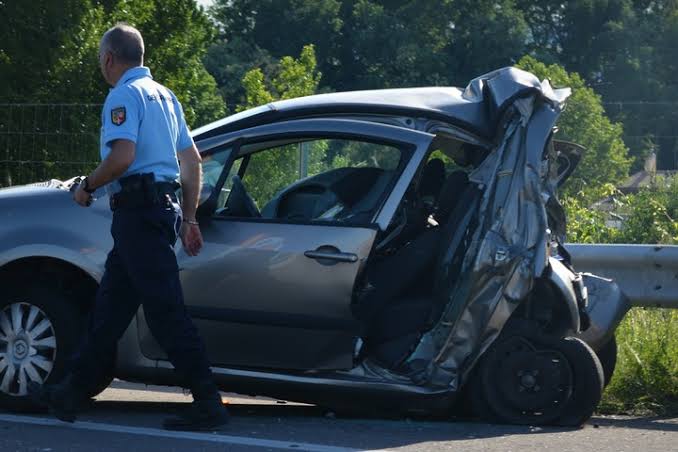
Rear-end collisions are among the most common vehicle accidents, occurring every day on roads nationwide. These incidents frequently cause both physical injuries and extensive property damage. Whether you are a daily commuter or an occasional driver, knowing what triggers these crashes and what to do in the aftermath can help protect your well-being. If you or someone you know has been involved in such an incident, consulting an experienced rear end accident lawyer in Memphis, TN can be crucial for understanding your rights and next steps.
Rear-end accidents may seem straightforward, but the legal and medical implications can be significant. Proactively addressing the factors that cause these crashes and following recommended safety measures are essential not only for personal safety but also for the protection of others sharing the road. Rear-end collisions are closely examined by insurance providers and law enforcement, often making them a focal point in legal proceedings. Swift action, awareness, and professional guidance can make a critical difference in outcome and recovery.
Sadly, even minor rear-end crashes can lead to ongoing neck, back, and head injuries. These injuries can disrupt your routine and result in medical expenses that extend far beyond initial treatment. Preventing rear-end crashes is possible when drivers understand the dynamics that often precede these collisions and act to minimize their risks.
Another essential consideration is how rear-end collisions impact insurance, potential liability, and financial compensation. Ensuring you have the right knowledge and representation will help safeguard your interests should you become involved in a collision.
Common Causes of Rear-End Collisions
Rear-end collisions often result from one or more preventable driving behaviors or external factors. Here are some of the leading contributors:
- Distracted Driving: Distractions such as mobile phone use, eating, and adjusting in-car controls are the top contributors. Research conducted by the National Highway Traffic Safety Administration (NHTSA) highlights distracted driving as a significant risk factor in rear-end accidents.
- Tailgating: Drivers who follow other vehicles too closely significantly reduce their reaction time, making collisions more likely if the car ahead suddenly stops.
- Speeding: Higher speeds increase the distance a vehicle travels before stopping and reduce a driver’s ability to react to sudden traffic changes.
- Sudden Stops: Unexpected braking, especially in heavy traffic, can easily cause rear-end crashes, particularly when trailing vehicles are not maintaining a safe gap.
- Poor Weather Conditions: Wet, icy, or foggy conditions impair visibility and traction, making timely stops harder to execute safely.
Consequences of Rear-End Collisions
The severity of a rear-end collision depends largely on speed, vehicle size, and the physical condition of occupants. Some of the most common results include:
- Whiplash: The snapping motion of the neck can cause soft tissue damage and lingering pain, commonly referred to as whiplash.
- Back and Spinal Injuries: Rear-end impacts often result in herniated discs, muscle strains, or more severe spinal cord injury.
- Head Injuries: Collisions can lead to traumatic brain injuries, even with the presence of airbags and seatbelts.
- Property Damage: Bumpers, trunks, and internal components can be severely damaged, resulting in expensive repair costs and potential vehicle replacement.
Preventive Measures
Rear-end collisions can largely be avoided through attentive driving and regular vehicle checks. Adopting these safety strategies reduces risk for everyone:
- Maintain a Safe Following Distance: Keeping enough space between your vehicle and the one ahead allows for sufficient response time in emergencies.
- Stay Alert: Limiting distractions and maintaining focus on the road is crucial at all times.
- Adhere to Speed Limits: Obeying speed limits ensures you have greater control and more stopping time.
- Use Turn Signals: Signaling intentions in advance informs nearby drivers and reduces misunderstanding.
- Regular Vehicle Maintenance: Periodic checks of brakes, tires, and lights help your vehicle perform as expected in everyday conditions and emergencies.
Legal Considerations
Determining fault in rear-end collisions is an integral part of insurance and legal procedures. Typically, the trailing driver is presumed to be at fault, but exceptions can apply. For example, if the lead car stops without cause or reverses unexpectedly, responsibility may shift. Understanding local statutes and documenting the incident thoroughly can influence outcomes in court or negotiations with insurers. Consulting with a legal expert will often provide vital clarity and help you navigate complex situations.
Conclusion
Rear-end collisions occur with alarming frequency, but most can be prevented by focusing on safe driving habits. By learning about the causes and consequences and by adhering to preventative measures, drivers can greatly reduce their risk of becoming involved in one of these accidents. Legally, knowing how these claims are assessed can help ensure fair treatment and protect your rights. By staying alert, maintaining safe distances, and keeping your vehicle maintained, you serve to protect yourself and others, making travel safer for everyone.
