

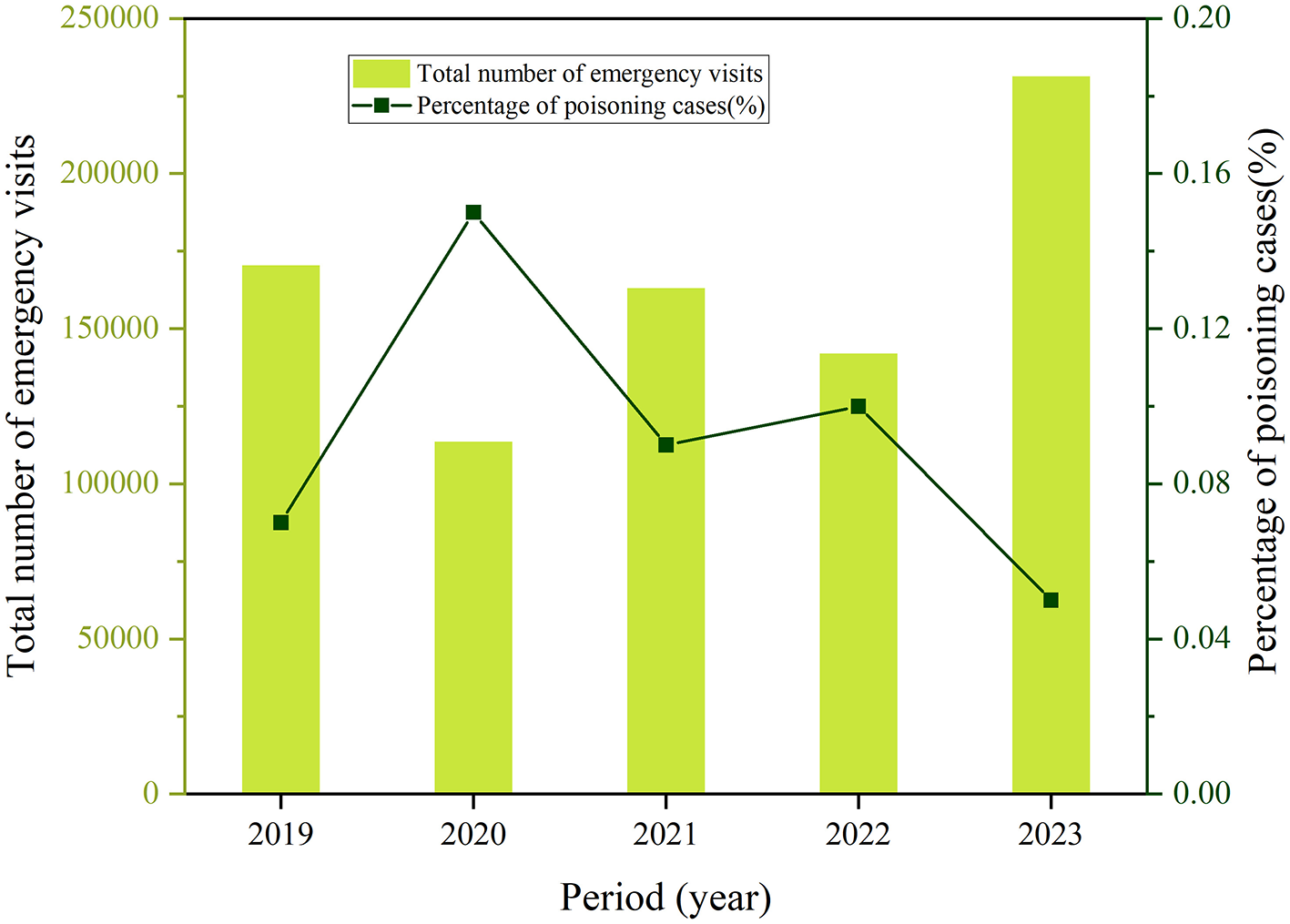
A new analysis of national poison control, hospital, and academic research data reveals a troubling rise in chemical exposures among young children in the United States. The study, compiled and published by Anidjar & Levine, highlights a pattern of increasing emergency department visits, widening exposure to household and environmental chemicals, and a concerning spike in child fatalities linked to toxic substances .
The scope of the problem is significant. In 2023 alone, U.S. Poison Control centers handled nearly 2.1 million human exposure cases. Forty percent involved children under the age of six. While most exposures in this age group resulted in minor or no symptoms, the volume of incidents and the rise in severe outcomes point to a growing public health challenge.
Fatalities Rising After Years of Decline
Although child chemical deaths remain far lower than in the 1970s, recent years show a sharp reversal. Fatalities increased from 34 in 2019 to 97 in 2022, before settling at 90 in 2023. These numbers represent the highest unintentional chemical fatality rates for children since 1991.
Pediatric Fatalities from Chemical Exposure (2019 to 2023)
- 2019: 34 deaths
- 2020: 43 deaths
- 2021: 59 deaths
- 2022: 97 deaths
- 2023: 90 deaths
A federal review found that deaths linked to narcotics and psychodysleptics doubled between 2021 and 2023, rising from 33 to 66 cases. Analgesics were the leading cause of fatal exposures during the 2019 to 2024 period, followed by fumes and gases, stimulants, batteries, and unidentified drugs.
Children Are Carrying Chemical Burdens From Everyday Sources
A UC Davis Health report cited in the study found that children across four states carried measurable levels of dozens of chemicals in their bodies. Urine samples from 201 children revealed:
- 96 chemicals detected in at least five children
- 48 chemicals detected in more than half
- 34 chemicals detected in more than 90 percent
Many of these chemicals came from common items such as plastics, cosmetics, food packaging, dust, and air pollution. Several were not tracked in national health surveys, suggesting gaps in federal monitoring.
The most frequently detected chemical groups included phthalates, parabens, bisphenols, benzophenones, pesticides, organophosphate esters, polycyclic aromatic hydrocarbons, and bactericides. While levels of some chemicals declined over the study period, others, including plasticizers and newer pesticides, increased.
Emergency Department Visits Show a Consistent Upward Trend
National Electronic Injury Surveillance System data shows that children under five experienced an estimated:
- 62,600 chemical poisoning injuries in 2021
- 68,600 in 2022
- 67,000 in 2023
Across these three years, the average annual total was more than 66,000 emergency visits. In 2023, 72 percent of incidents occurred in the home. Most children were treated and released, but 13 percent required hospital admission or transfer.
Age Breakdown of 2023 Emergency Cases
- Under 1 year: 6 percent
- Age 1: 36 percent
- Age 2: 29 percent
- Age 3: 18 percent
- Age 4: 11 percent
Boys accounted for 54 percent of cases.
Products Most Often Involved in Pediatric Poisonings
The top products linked to emergency visits in 2023 included:
- Blood pressure medications: 5,800 cases
- Dietary supplements: 5,200
- Acetaminophen: 4,900
- Bleach: 3,600
- Antidepressants: 2,800
- Ibuprofen: 2,400
- Illegal drugs: 1,900
- ADD medications: 1,800
Laundry detergent packets also appeared frequently, though estimates were not available.
Fentanyl Exposure Has Become a Growing Threat
One of the most alarming trends is the rise in unintentional fentanyl exposures among children under six. Cases increased from 10 in 2016 to 539 in 2023, a 5,290 percent increase. More than 80 percent of these exposures occurred in the home.
Where the Problem Is Most Concentrated
Between 2020 and 2025, children under six were involved in 436,444 poison control cases. The states with the highest number of calls were Texas, California, and Florida. The District of Columbia, Vermont, and Rhode Island had the lowest numbers.
How Children Are Exposed
The study found that ingestion was the dominant route of exposure. Between 2020 and 2025, children were poisoned through:
- Mouth: 3,485 cases
- Mouth and skin: 138
- Eye: 122
- Inhalation: 17
- Injection: 9
A Preventable Crisis
Anidjar & Levine, the firm behind the study, notes that 99 percent of chemical exposures in young children are unintentional. The data suggests that improved storage, safer product selection, and greater awareness could significantly reduce injuries and deaths.
