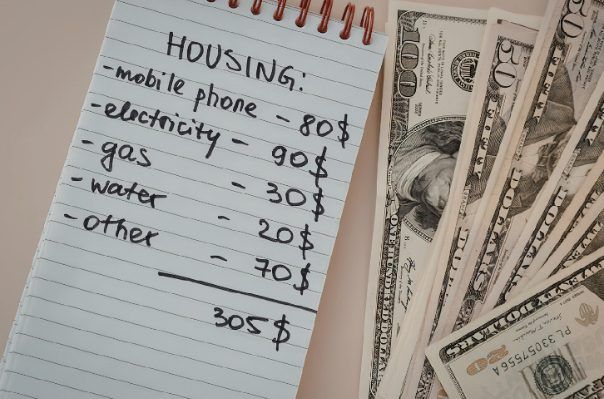
Rent is one of the biggest monthly expenses for many households, yet most people approach it as a fixed cost with little room for negotiation or adjustment. While common advice like “move to a cheaper area” or “get a roommate” is often repeated, there are several lesser-known strategies that can make a meaningful difference without requiring a complete lifestyle overhaul.
This guide explores practical, often overlooked ways to reduce your rent or overall housing costs.
Rethink Timing When Signing or Renewing a Lease
Timing plays a larger role in rental pricing than many people realize. Landlords respond to supply and demand cycles, which means the same apartment can vary in price depending on when you commit. If you’re flexible, consider:
- Moving During Off-Peak Seasons: Winter months often see lower demand, giving renters more negotiating power.
- Avoiding End-of-Month Competition: Many leases turn over at the same time, increasing demand.
- Watching Listings Over Time: If a property sits vacant for weeks, landlords may be more open to reducing rent.
Even if you’re renewing your lease, timing matters. Starting the conversation early, before your landlord lists the unit, can give you leverage.
Negotiate Beyond Just the Monthly Price
When people think of negotiation, they usually focus on lowering the rent itself. While that’s important, there are other areas where you can save money that often get overlooked. Consider negotiating:
- Included Utilities: Water, internet, or electricity can significantly affect monthly costs
- Parking Fees: Especially in urban areas, this can be a hidden expense
- Maintenance Responsibilities: Offering to handle minor upkeep could justify a rent reduction
- Lease Length: A longer lease may appeal to landlords looking for stability
Landlords value reliable tenants. If you have a strong rental history, stable income, or can move in quickly, use that to your advantage.
Expand Your Search Strategy
Many renters rely on a narrow set of platforms or search methods, which limits their options and negotiating power. Expanding how and where you search can uncover better deals that others might miss.
For example, platforms like SpareRoom focus specifically on shared living arrangements, which can offer more affordable options in high-demand areas. If you’re exploring shared housing in a competitive market like Washington, DC, browsing rooms for rent on spareroom.com can help you find spaces that fit both your budget and lifestyle.
Looking beyond traditional apartment listings can reveal:
- Rooms in owner-occupied homes
- Sublets that are priced below market rate
- Flexible lease arrangements
This broader approach not only increases your options but also gives you more leverage when comparing prices.
Consider Micro-Adjustments to Your Living Situation
You don’t always need a major move to reduce housing costs. Small changes within your current setup can add up over time. Some ideas include:
- Reconfiguring Shared Spaces: Turning a living room into a temporary bedroom setup (if allowed) can reduce individual rent shares
- Subletting Unused Space: If your lease permits it, renting out a spare room can offset costs
- Switching Rooms Within a Shared Home: Smaller rooms often come with lower rent, and the trade-off may be worth it
These adjustments may seem minor, but they can make a noticeable difference in monthly expenses without requiring a full relocation.
Look for Value, Not Just Price
A lower rent doesn’t always mean lower overall costs. Sometimes, paying slightly more upfront can save money in other areas. When evaluating a rental, consider:
- Commute Costs: A cheaper apartment farther away may increase transportation expenses
- Energy Efficiency: Older buildings can lead to higher utility bills
- Included Amenities: Access to laundry, gym facilities, or furnished spaces can reduce other spending
The goal is to look at your total cost of living, not just the rent itself. This broader perspective often reveals better long-term value.
Build a Strong Rental Profile
One of the most overlooked ways to lower rent is to make yourself a more attractive tenant. Landlords are often willing to offer better terms to renters who reduce risk and administrative effort. You can strengthen your profile by:
- Preparing references in advance
- Demonstrating stable income or savings
- Offering flexibility on move-in dates
- Being responsive and organized during communication
When a landlord sees you as a low-risk, high-reliability tenant, they may be more open to negotiating price or offering concessions.
SpareRoom, for instance, makes it easier to present yourself clearly when connecting with potential housemates or landlords, which can improve your chances of securing a better deal.
Conclusion
Lowering your rent isn’t always about drastic changes. Often, it comes down to understanding the dynamics of the rental market, being strategic in your search, and making small but thoughtful adjustments.
From negotiating beyond the base rent to expanding your search methods and improving your renter profile, there are multiple ways to reduce costs that many people simply overlook. The key is to approach renting with the same level of attention and strategy you would apply to any major financial decision.
By staying flexible, informed, and proactive, you can uncover opportunities to save without compromising the quality of your living situation.