



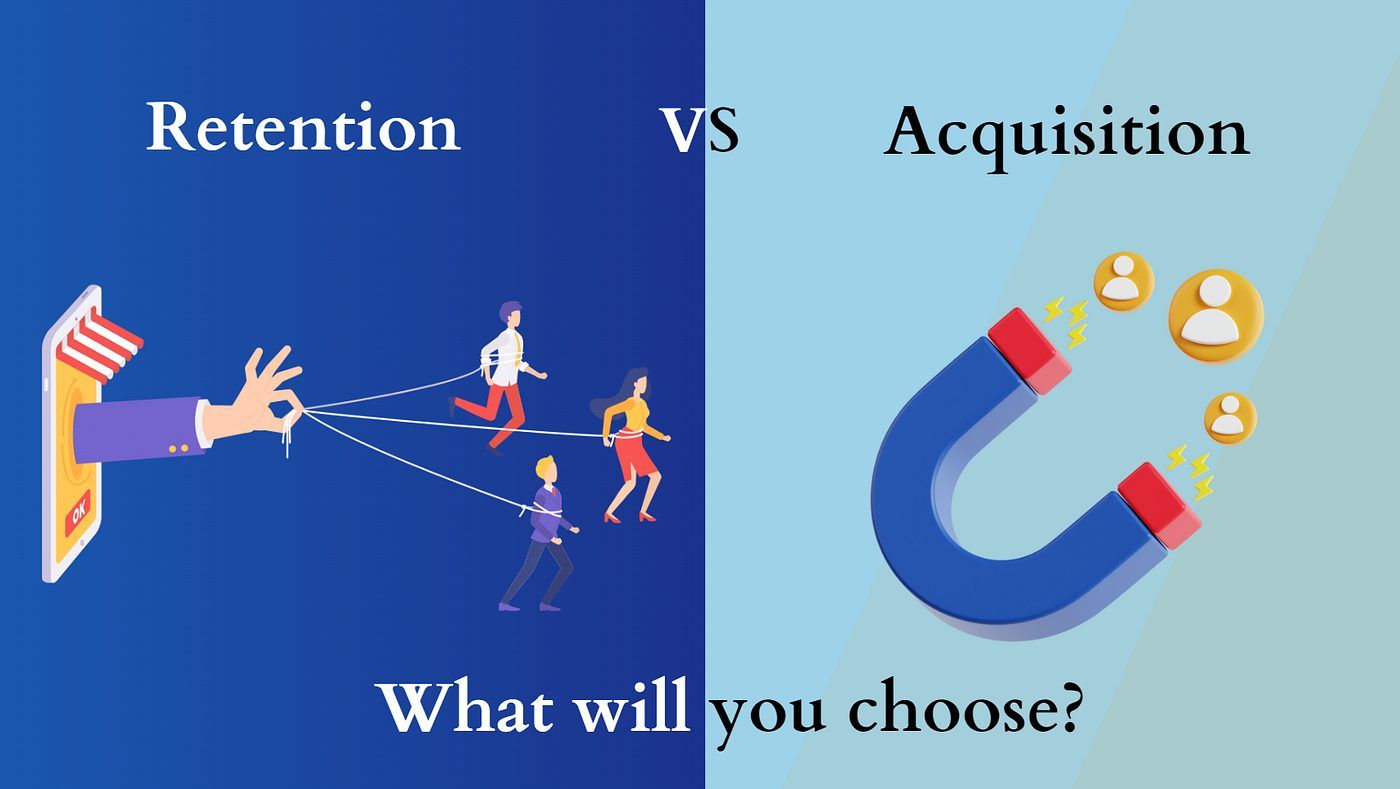
There was a time in the digital economy when growth solved everything. If a platform’s conversion funnels were leaking users out of the bottom, marketing teams simply opened the top of the funnel wider. Venture capital subsidized massive user acquisition campaigns, and public markets rewarded raw user growth above almost all other metrics.
But lines on a chart cannot climb infinitely into the sky. Today, across almost every mature digital sector, from casual browser gaming and streaming entertainment to specialized enterprise software, we have entered the era of the saturated market. When every potential customer already has three streaming apps on their phone, two productivity tools on their desktop, and a bookmarked rotation of favorite entertainment hubs, traditional acquisition strategies stop working. They simply become incredibly expensive.
The Power of Structural Clarity
Building a sticky digital experience requires a flawless balance between rapid visual feedback and structural simplicity. Looking at successful web directories across Northern Europe reveals a uniform emphasis on highly scannable layouts. Premium Finnish portals, particularly popular digital hubs like nettikasinot, use these exact clean categorization matrices to guide visitors directly to their destination, proving that structural clarity translates directly to sustained corporate growth.
These specialized hub directories offer users comprehensive, transparent overviews of active gaming platforms, breaking down technical performance, regional layout features, and interface speed so players can compare options instantly. Whether a platform hosts thousands of casual web games or indexes complex regional directories, intuitive structural design keeps bounce rates low and retention metrics high.
The Broken Math of Constant Acquisition
Relying entirely on user acquisition in a crowded market is a fast track to burning through cash. When hundreds of brands compete for the exact same digital eyeballs, advertising inventory becomes a bidding war. Ad costs are shooting through the roof, while the time people actually spend paying attention is hitting rock bottom. If you are throwing fifty bucks at targeted ads just to get one person through the door, and they leave your site after five seconds and never come back, your whole setup is basically running on broken math.
When a market fills up, the real opportunity shifts from chasing crowd traffic to building genuine loyalty. Instead of just introducing a new idea to a generic audience, you get to focus entirely on proving to your customers that you offer the absolute best experience around. In a crowded market, the real win is when a happy customer brings in way more money over time than you ever spent trying to get their attention in the first place. The best way to get that momentum going is to just keep giving them stuff they actually care about week after week. If you do that, a quick first visit naturally turns into a regular habit.
Creating Habit-Forming Loops
At the end of the day, a clean layout only gets you so far. Real loyalty happens when a site actually feels personal. When a platform remembers what you like, surfaces stuff you actually care about, and throws in a few perks along the way, it stops feeling like a generic app you use once and forget. It becomes your go-to spot.
Think about how modern entertainment hubs keep users hooked. They do not just dump a wall of content onto the screen. They curate unique feeds based on historical behavior, offer micro-rewards for daily engagement, and build communal spaces where users can interact.
If you give people a fun reason to keep clicking and throw them a little win every now and then, they stop just passing through and actually start hanging out. Once they’ve taken the time to customize their account, rack up a high score, or save all their favorite stuff in one spot, they’re invested. Switching to a different site at that point is just a massive pain because nobody wants to start all over again from square one.
The Organic Growth Engine
The final irony of the acquisition versus retention debate is that a hyper-focus on retention actually ends up solving your acquisition problems for free. When people absolutely love using your site, they basically become your marketing team for free. A recommendation from a friend, a quick shoutout on social media, or a direct invite carries a ton of trust that you just can’t buy with a paid Facebook ad. If you can master keeping your current users happy, they’ll bring in the next wave of traffic for you, and the whole thing just grows on its own.
Let’s be honest, as the internet gets completely buried in noise, the companies that actually survive aren’t the ones screaming the loudest with massive ad budgets. It really just comes down to keeping the people you already have happy. If your tech actually works smoothly and your site is a breeze to use, you won’t have to constantly chase new traffic. You just end up turning a brutal, crowded market into a profitable setup that works for the long haul.


