

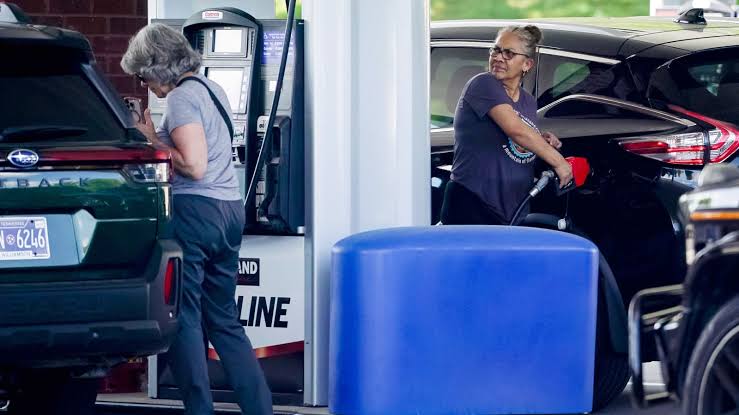
A new analysis of transportation pressures in the United States shows that rising fuel costs and widening gaps in public transit access are reshaping how millions of Americans move through their daily lives. The study, compiled using national fuel data, survey responses, and safety statistics, highlights the growing risk that economic strain may push some individuals toward unsafe travel behaviors. Suzuki Law Offices, which conducted the research, frames the issue as a matter of transportation inequality rather than personal choice.
Gas Prices Reach New Highs
The national average price for a gallon of regular gas reached $4.11 on April 15, 2026, marking a 29.5 percent increase from the previous year. This surge follows a pattern of volatility that has persisted since the record-setting highs of 2022. While prices have not yet returned to that peak, the upward trend signals renewed financial pressure for drivers across the country.
State-by-State Fuel Costs
The study identifies significant regional disparities in fuel pricing. California recorded the highest average price between April 2025 and April 2026, followed by Hawaii and Washington. Even states with comparatively lower prices still experienced substantial increases.
Average Gas Prices (April 2025–April 2026)
| Rank | State | Avg. Price |
|---|---|---|
| 1 | California | $5.89 |
| 2 | Hawaii | $5.46 |
| 3 | Washington | $5.36 |
| 4 | Oregon | $4.96 |
| 5 | Nevada | $4.94 |
| 6 | Arizona | $4.70 |
| 7 | Alaska | $4.59 |
| 8 | Idaho | $4.27 |
| 9 | Illinois | $4.25 |
| 10 | Florida | $4.22 |
These numbers reflect broad inflationary pressures in fuel markets, including refining costs and transportation expenses. Every state saw an increase, underscoring the nationwide nature of the issue.
Where Prices Rose the Fastest
Some states experienced especially sharp year-over-year increases. Kentucky topped the list with a 42.5 percent rise, closely followed by Tennessee and New Hampshire. Even the states with the smallest increases still saw nearly 20 percent growth.
Largest Percentage Increases
- Kentucky: 42.5%
- Tennessee: 42.2%
- New Hampshire: 38.8%
- Mississippi: 38.2%
- Arizona: 38.1%
Smallest Percentage Increases
- Nebraska: 18.4%
- North Dakota: 18.6%
- South Dakota: 19.5%
- Minnesota: 19.5%
Metro areas saw similar volatility. Cities in Kentucky and Tennessee recorded spikes approaching or exceeding 50 percent, while parts of the Dakotas and Nebraska saw more modest increases.
Diesel Prices Add to the Burden
Diesel costs followed a similar pattern, with California again leading at $7.52 per gallon. Arizona posted the highest single-year percentage increase at 68.8 percent, highlighting the strain on industries dependent on diesel-powered vehicles. These increases ripple through supply chains, ultimately affecting consumer prices.
How Americans Are Feeling the Impact
A March 2026 YouGov survey found that 82 percent of Americans felt gas prices affected them either “a lot” or “a little.” Only 13 percent reported no impact at all. These findings illustrate how deeply fuel costs influence household budgets, especially for those who rely on personal vehicles for work, school, or medical care.
Transport Poverty: A Growing National Issue
Nearly 45 percent of Americans lack access to public transit, according to the study. This leaves millions dependent on private vehicles, even as costs rise. For low-income households, the burden is especially heavy, with 16 percent of adults living below the poverty line lacking reliable transportation.
The consequences extend beyond inconvenience. Limited mobility can restrict access to employment, healthcare, education, and essential services. Rural areas, where 30 percent of communities have no public transit, face the most acute challenges.
Rural Road Risks
Rural regions also experience disproportionately high fatality rates. More than 40 percent of U.S. traffic deaths occur in rural areas, despite lower population density. Long distances, high speeds, and limited emergency response resources contribute to these elevated risks.
Hitchhiking: A Risky Alternative
As transportation costs rise, some Americans may consider hitchhiking as a last resort. Survey data from May 2025 shows that while a minority of adults have hitchhiked or picked up hitchhikers, most view the practice as unsafe. Sixty-five percent of respondents said hitchhiking is more dangerous today than in the past.
Historical data supports these concerns. Research from the 1970s found that female hitchhikers were seven times more likely than males to be victims of crime, with most incidents involving sexual violence. Drivers are not immune to risk either, as some have been targeted by passengers.
Legal Landscape
Hitchhiking laws vary widely across states. While most states allow it with restrictions, others—including Nevada, New Jersey, New York, Pennsylvania, Utah, and Wyoming—prohibit it outright. Federal regulations also limit hitchhiking in national parks and on certain federal lands.
Pedestrian Dangers on the Rise
Beyond interpersonal risks, hitchhikers face significant danger simply by standing or walking near roadways. Pedestrian deaths have risen 80 percent since 2009, far outpacing population growth. In 2022 alone, more than 7,500 pedestrians were killed nationwide.
Nearly two-thirds of these deaths occurred in areas without sidewalks, highlighting infrastructure gaps that disproportionately affect rural and low-income communities.
States With Highest Pedestrian Fatality Rates
The study identifies Mississippi as having a rate more than three and a half times the national average. States across the South and rural West also show elevated risks, driven by factors such as road design, lighting, and vehicle speeds.
Safer Alternatives
The report emphasizes that hitchhiking should not be viewed as a solution to transportation inequality. Instead, it points to organized carpooling, ridesharing, regional bus systems, and employer commuter programs as safer options. Expanding affordable transit access, particularly in rural areas, would reduce the need for individuals to take risks on highways.
Conclusion
The study by Suzuki Law Offices paints a clear picture: rising fuel costs and limited transportation options are creating conditions that may push vulnerable Americans toward unsafe travel methods. Without meaningful investment in public transit and rural mobility, the pressures driving transport poverty will continue to grow. The data suggests that addressing these gaps is essential to improving safety and equity across the country.
