

Ramadan 2030 is set to be a spiritually significant month for Muslims worldwide, offering a time for fasting, reflection, and worship. Expected to start on January 6, 2030, the month marks a period of self-discipline, empathy, and community engagement.
Across regions such as Ramadan 2030 Saudi Arabia, Ramadan 2030 UAE, Ramadan 2030 Qatar, Ramadan 2030 date in India, and Ramadan 2030 Bangladesh, families prepare for daily suhoor and Iftar meals, attend prayers, and participate in charity events. Observing Ramadan 2030 allows individuals to strengthen their faith while connecting with community traditions.
Expected Start Date of Ramadan 2030: Moon Sighting and Astronomical Predictions
The expected start date of Ramadan 2030 is a topic of keen interest for Muslims worldwide. Traditionally, the month begins with the sighting of the crescent moon, marking the start of fasting and spiritual reflection. Astronomical calculations suggest that Ramadan 2030 could begin on Sunday, January 6, 2030, although the exact date may vary depending on local moon sightings.
Countries like Saudi Arabia, UAE, India, and Bangladesh will rely on both religious authorities and astronomical predictions to announce the official start. Preparing for the month includes adjusting daily routines for fasting, planning suhoor (pre-dawn meal), and organizing prayers.
For those seeking precise planning, tracking the Ramadan 2030 countdown ensures a smooth transition into this sacred month. Awareness of the start date helps communities coordinate prayers, charity activities, and cultural traditions.
Expected End Date of Ramadan 2030: Determining the Last Day of Fasting
The expected end date of Ramadan 2030 signifies the culmination of 29 or 30 days of fasting, reflection, and spiritual growth. Traditionally, the last day is confirmed upon the sighting of the crescent moon marking Shawwal, the tenth month of the Islamic calendar. Ramadan 2030 is anticipated to end on Monday, February 4, 2030, though local variations may occur based on lunar observations.
This period includes Ramadan 2030 Saudi Arabia, Ramadan 2030 UAE, Ramadan 2030 Qatar, and Ramadan 2030 date in India schedules, which may slightly differ. Observing the last day allows Muslims to prepare for Eid al-Fitr celebrations, ensuring all spiritual and charitable obligations are fulfilled.
Knowing the end date in advance helps families coordinate festive meals, prayers, and community events, marking a smooth transition from fasting to celebration.
Eid al-Fitr 2030 Dates: When Muslims Worldwide Will Celebrate Eid
Eid al-Fitr 2030 marks the joyous conclusion of Ramadan 2030, celebrated by Muslims globally with prayers, feasts, and charitable giving. Eid’s date depends on moon sightings in different countries, making it vary slightly for regions like Ramadan 2030 Saudi Arabia, Ramadan 2030 UAE, and Ramadan 2030 Bangladesh. Based on predictions, Eid al-Fitr 2030 is expected on Tuesday, February 5, 2030.
This festival is a time for family gatherings, gifting, and community prayers, emphasizing gratitude and generosity. Preparations begin during the last days of Ramadan 2030, including cleaning homes, arranging festive meals, and giving Zakat al-Fitr.
Observing Eid strengthens cultural and religious bonds, with children receiving gifts and communities participating in charity. Tracking the Ramadan 2030 countdown ensures that families and individuals plan effectively for a seamless celebration of this blessed festival.
Ramadan 2030 Calendar Overview: Daily Timings, Prayers, and Fasting Schedule
The Ramadan 2030 calendar provides a complete guide for daily fasting, prayer, and spiritual activities. Muslims observe fasting from dawn to sunset, breaking their fast at Iftar and starting the day with Suhoor. Timings vary according to geographical locations, affecting Ramadan 2030 Saudi Arabia, Ramadan 2030 UAE, Ramadan 2030 Qatar, Ramadan 2030 date in India, and Ramadan 2030 Bangladesh schedules.
The calendar includes precise Fajr, Dhuhr, Asr, Maghrib, and Isha prayer times, helping devotees maintain a structured routine. Additionally, special nights such as Laylat al-Qadr are highlighted for increased worship and reflection.
Having a detailed Ramadan 2030 calendar aids in planning meals, community events, and charity work. Families and individuals can ensure spiritual growth while balancing daily responsibilities. For many, using mobile apps or printed schedules makes it easier to follow the fast and stay connected with local mosque announcements.
Daniel Neeleman Net Worth: How Much Is He Worth
Country-Specific Dates – Saudi Arabia: Ramadan 2030 Saudi Arabia Start and End Dates
In Saudi Arabia, the announcement of Ramadan 2030 is eagerly awaited. Based on astronomical calculations, Ramadan 2030 is expected to begin on January 6, 2030, with the end likely on February 4, 2030. Saudi Arabia follows the traditional moon-sighting method, with official authorities confirming the start and end of fasting.
Mosques prepare for large congregational prayers, while families organize suhoor and Iftar schedules in alignment with local times. Tracking the Ramadan 2030 countdown helps residents plan for communal activities, charity initiatives, and spiritual programs.
Regional variations in moon sighting may slightly alter dates in nearby Gulf countries. Understanding the Saudi Arabia Ramadan 2030 calendar ensures compliance with religious practices and allows international observers to coordinate fasting times accurately.
Country-Specific Dates – UAE: Ramadan 2030 UAE Official Schedule
The Ramadan 2030 UAE schedule provides precise dates for fasting, prayer, and special events in the United Arab Emirates. Based on lunar predictions, Ramadan 2030 is likely to begin on January 6, 2030, and conclude around February 4, 2030. The UAE combines astronomical calculations with religious verification to announce the official start.
Daily suhoor and Iftar times are published for all Emirates, helping residents follow a structured fasting routine. Ramadan 2030 countdown trackers are widely used across apps and websites to keep the public informed.
The UAE also emphasizes charitable activities and public awareness campaigns during Ramadan. For families and businesses, knowing the Ramadan 2030 UAE calendar in advance helps plan work schedules, communal prayers, and cultural events while observing the holy month correctly.

Country-Specific Dates – Qatar: Ramadan 2030 Qatar Timeline and Celebrations
In Qatar, Ramadan 2030 will likely begin on January 6, 2030, ending on February 4, 2030, depending on local moon sightings. The Qatari government issues official announcements to synchronize public events and mosque prayers. Daily fasting, suhoor, and Iftar timings are published to facilitate structured observance.
Ramadan 2030 countdown tools help residents plan meals, prayer schedules, and charity initiatives efficiently. Community Iftar programs and cultural events are organized across cities to foster unity. Observing Ramadan 2030 in Qatar includes special night prayers and acts of generosity.
Families coordinate celebrations and religious obligations based on these dates. Additionally, travelers and expatriates follow the local schedule to ensure they participate in community practices while maintaining personal devotion.
Country-Specific Dates – India: Ramadan 2030 Date in India and Local Traditions
Ramadan 2030 date in India is anticipated to start on January 6, 2030, and end on February 4, 2030, though regional moon sightings may adjust the schedule. India’s diverse Muslim population observes fasting while integrating local cultural practices.
Cities like Delhi, Mumbai, and Hyderabad follow official announcements from religious authorities. Ramadan 2030 in India involves community prayers, mosque programs, and charity initiatives. The Ramadan 2030 countdown allows families to prepare for Iftar gatherings and organize suhoor meals.
Traditional foods, regional dishes, and cultural festivals are integral to the month. Awareness of the India-specific Ramadan 2030 calendar ensures accurate observance and helps maintain unity across communities while honoring local customs and spiritual obligations.
Country-Specific Dates – Bangladesh: Ramadan 2030 Bangladesh Fasting Schedule
In Bangladesh, Ramadan 2030 is expected to start on January 6, 2030, and conclude around February 4, 2030. Local mosques and Islamic authorities confirm moon sightings before announcing the start.
The Ramadan 2030 calendar includes suhoor and Iftar timings specific to Dhaka, Chittagong, and other cities. Community prayers, charity drives, and cultural events are organized throughout the holy month. The Ramadan 2030 countdown helps residents prepare for daily routines, fasting, and spiritual activities.
Traditional foods, community Iftars, and family gatherings mark the cultural aspect of Ramadan in Bangladesh. Accurate knowledge of Bangladesh’s Ramadan 2030 dates ensures everyone can observe the holy month correctly while participating in national and regional festivities.
Ramadan 2030 in December: Discussing Ramadan 2030 December Possibilities and Overlap with Winter
Some calculations and lunar predictions raise curiosity about Ramadan 2030, December, as variations in moon sighting could slightly shift start dates. While Ramadan 2030 is expected in January-February, understanding December overlaps helps communities plan.
Winter fasting conditions may affect suhoor and Iftar timings, especially in countries with colder climates. Observers interested in the Ramadan 2030 countdown and calendar planning may consider early preparation for prayer routines, charity events, and community gatherings.
Discussing Ramadan 2030 December possibilities also addresses questions about day length, fasting hours, and seasonal adjustments. Awareness of such overlaps helps families, mosques, and educational institutions plan spiritual and social activities without confusion. Proper coordination ensures the month’s observance remains organized and spiritually fulfilling across regions.
Ramadan 2030 Countdown: How Many Days Left? Ramadan 2030 Countdown Tracker
The Ramadan 2030 countdown is a useful tool for Muslims worldwide to track the days left until fasting begins. Accurate countdowns consider lunar predictions and moon sighting reports from different regions, including Ramadan 2030 Saudi Arabia, Ramadan 2030 UAE, Ramadan 2030 Qatar, Ramadan 2030 date in India, and Ramadan 2030 Bangladesh.
Countdown trackers help families and communities prepare suhoor and Iftar meals, arrange mosque activities, and coordinate charity programs. Many apps, websites, and calendars provide notifications and daily tips during Ramadan 2030, fostering organization and spiritual focus.
The countdown also creates excitement and awareness among youth and children, reinforcing the importance of Ramadan. Following the Ramadan 2030 countdown ensures smooth planning for both personal devotion and communal engagement during the holy month.
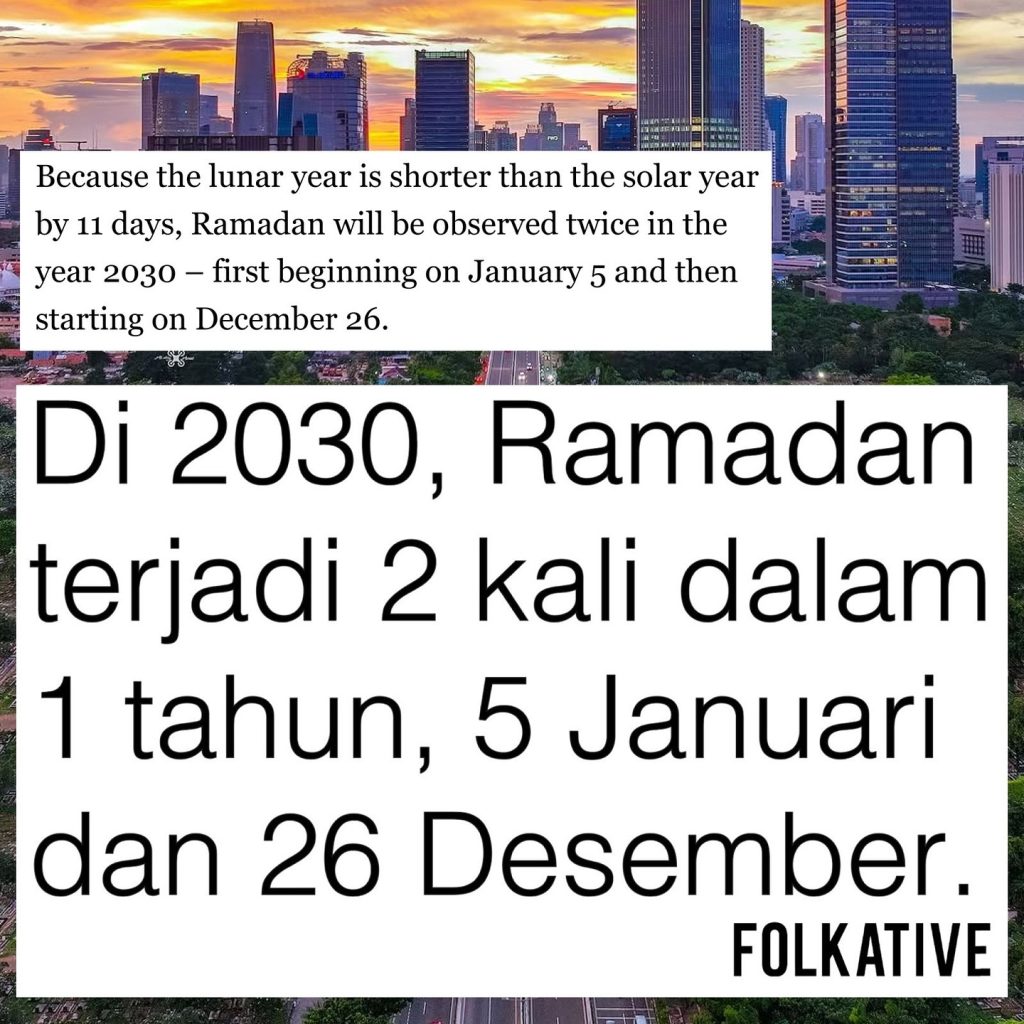
Two Ramadans in One Year?: Exploring Myths Like Two Ramadans in 2030 or 2 Ramadans in One Year Last Time
A common curiosity is whether there will be two Ramadans in 2030 or if 2 Ramadans occurring in one year could occur again. Lunar calendar adjustments occasionally spark these questions. However, Ramadan 2030 will occur only once, beginning around January 6, 2030, and ending on February 4, 2030.
Historically, cases like two Ramadans in 1997 were caused by regional differences in moon sightings, not simultaneous double months. Understanding this helps clear misconceptions among the public. Religious scholars emphasize that the Islamic lunar calendar typically allows only one Ramadan per year.
Accurate awareness ensures proper fasting, worship, and celebration of Eid al-Fitr 2030, preventing confusion in communities worldwide.
Historical Context: How Two Ramadans in 1997 Compare to Upcoming Years
In 1997, certain regions experienced two Ramadans 1997 due to differences in moon sighting and calendar adjustments. Studying this historical context provides insight into Ramadan 2030 observances and explains why myths like two Ramadans in 2030 persist.
Variations occurred because lunar months do not align perfectly with the Gregorian calendar, sometimes creating early or late start reports in different regions. Modern astronomical calculations and communication have reduced these discrepancies. Comparing Ramadan 2030 with past instances helps Muslims worldwide plan fasting, prayers, and celebrations consistently.
This historical knowledge educates communities on the importance of official moon sightings while maintaining religious accuracy, preventing confusion, and ensuring unity during the holy month.
How Many Ramadans in 2030?: Answering Common Questions Like How Many Ramadans Are There in 2030
Many Muslims ask, How many Ramadans are there in 2030? The answer is simple: only one Ramadan 2030 will occur. While lunar calendar variations may spark myths, the holy month begins around January 6, 2030, and concludes by February 4, 2030.
Regional announcements, including Ramadan 2030 Saudi Arabia, Ramadan 2030 UAE, Ramadan 2030 Qatar, Ramadan 2030 date in India, and Ramadan 2030 Bangladesh, may slightly differ due to moon sighting differences. Understanding that there is a single Ramadan 2030 prevents confusion about multiple fasting periods and supports proper preparation for Eid al-Fitr 2030.
Accurate knowledge ensures that all religious, spiritual, and community activities align correctly, fostering unity and devotion among Muslims worldwide.
Significance of Ramadan 2030: Spiritual Importance and Unique Aspects
Ramadan 2030 holds immense spiritual significance, providing Muslims with the opportunity to strengthen faith, self-discipline, and compassion. Fasting from dawn to sunset enhances mindfulness, gratitude, and empathy for the less fortunate.
Special nights like Laylat al-Qadr are particularly important, offering multiplied blessings for worship and prayers. Observing Ramadan 2030 includes community engagement, charity, and cultural practices across regions like Ramadan 2030 Saudi Arabia, Ramadan 2030 UAE, and Ramadan 2030 Bangladesh.
The month fosters unity among families, friends, and neighborhoods through shared Iftar meals and mosque gatherings. Unique aspects of Ramadan 2030 include modern tools like countdown apps, online prayer schedules, and global awareness campaigns, allowing Muslims worldwide to participate meaningfully in spiritual growth, reflection, and charitable actions.
Fasting Timings & Suhoor/Iftar Guides: Practical Tips for Ramadan 2030 Start Date and Daily Routines
Understanding the Ramadan 2030 start date helps plan fasting, suhoor, and Iftar efficiently. Daily fasting begins at Fajr and ends at Maghrib. The Ramadan 2030 calendar provides precise timings for all prayers and fasting schedules in regions like Ramadan 2030 Saudi Arabia, Ramadan 2030 UAE, Ramadan 2030 Qatar, Ramadan 2030 date in India, and Ramadan 2030 Bangladesh.
Practical tips include meal prep, hydration, and maintaining energy levels throughout the day. Communities organize collective Iftar events, while families coordinate schedules to balance work, worship, and meals.
Tracking the Ramadan 2030 countdown ensures readiness and adherence to daily rituals. Following these guidelines enhances spiritual focus, maintains health, and strengthens community bonds during the holy month.
Karen Fairchild Net Worth: You Won’t Believe the Total
Special Events During Ramadan 2030: Community Prayers, Charity Drives, and Cultural Activities
Ramadan 2030 encourages participation in community prayers, charity drives, and cultural activities. Mosques host Taraweeh prayers, Quran recitations, and lectures on spiritual development. Charitable initiatives, including food distribution, donations, and community service, are emphasized across regions such as Ramadan 2030 Saudi Arabia, Ramadan 2030 UAE, Ramadan 2030 Qatar, Ramadan 2030 date in India, and Ramadan 2030 Bangladesh.
Cultural events include Iftar gatherings, traditional music, and educational programs for children. Engaging in these activities fosters unity, spiritual growth, and communal harmony. Monitoring the Ramadan 2030 countdown ensures participation in key events.
Families and individuals can plan for special nights like Laylat al-Qadr, maximizing blessings while maintaining structured routines. These events enrich the holistic experience of Ramadan 2030 worldwide.
Preparing for Eid al-Fitr 2030: Gift Ideas, Prayers, and Celebrations
Preparation for Eid al-Fitr 2030 begins in the last days of Ramadan 2030. Families plan prayers, festive meals, and gifting traditions. Children receive gifts, and communities engage in charity as part of Zakat al-Fitr. Knowing the Ramadan 2030 end date helps coordinate Eid preparations across regions like Ramadan 2030 Saudi Arabia, Ramadan 2030 UAE, Ramadan 2030 Qatar, Ramadan 2030 date in India, and Ramadan 2030 Bangladesh.
Traditional foods, festive clothing, and family gatherings are integral to celebrations. Observing Eid prayers at mosques, visiting relatives, and participating in community events strengthen bonds and spiritual gratitude. Planning using the Ramadan 2030 countdown ensures a smooth transition from fasting to celebration. Proper preparation allows Muslims worldwide to fully enjoy the joy and blessings of Eid al-Fitr 2030.

Frequently Asked Questions about Ramadan 2030
When does Ramadan 2030 start?
Ramadan 2030 is expected to start on January 6, 2030, depending on local moon sightings.
When does Ramadan 2030 end?
It is expected to end on February 4, 2030, followed by Eid al-Fitr 2030.
Will there be two Ramadans in 2030?
No, there will be only one Ramadan 2030.
What are the country-specific dates?
Check Ramadan 2030 Saudi Arabia, Ramadan 2030 UAE, Ramadan 2030 Qatar, Ramadan 2030 date in India, and Ramadan 2030 Bangladesh calendars for accurate schedules.
How long is fasting during Ramadan 2030?
Fasting lasts from dawn (Suhoor) to sunset (Iftar), varying slightly by country.
Conclusion of Ramadan 2030
Ramadan 2030 promises to be a month of devotion, reflection, and spiritual growth for Muslims globally. Beginning around January 6, 2030, and ending on February 4, 2030, it provides an opportunity to strengthen faith, engage in charity, and foster family and community bonds.
Across countries like Ramadan 2030 Saudi Arabia, Ramadan 2030 UAE, Ramadan 2030 Qatar, Ramadan 2030 date in India, and Ramadan 2030 Bangladesh, local variations may occur due to moon sightings, but the essence remains the same: fasting, prayer, and reflection.
The Ramadan 2030 countdown helps prepare spiritually and logistically for the holy month, culminating in the joyous celebration of Eid al-Fitr 2030. Proper planning ensures a fulfilling and organized observance worldwide.
