

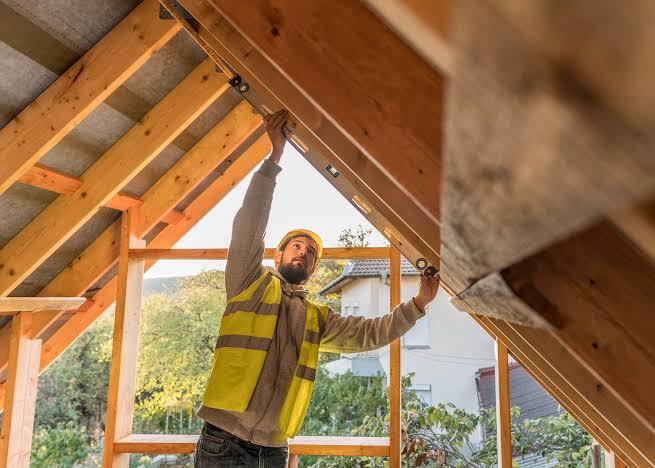
Timber structures such as buildings and decks offer both aesthetic appeal and functional benefits. However, they are particularly vulnerable to pests, which can cause significant damage if not addressed promptly. To effectively protect timber structures, it is essential to understand the types of pests that pose a threat and implement preventative measures. Engaging with Affordable Pest Control homepage | Affordable Pest can provide valuable insights and professional services to safeguard these vulnerable structures.
Recognising Pest Threats
Several types of pests are known to target timber structures, including termites, wood borers, and carpenter ants. Termites, for instance, can infiltrate a building’s structure unnoticed until substantial damage has been done. Identifying early signs of infestation, such as frass, holes, or tunnels in the wood, is crucial for timely intervention.
The Impact of Termites
Termites are one of the most destructive pests for timber structures. They feed on cellulose found in wood, weakening the integrity of the structure. Regular inspections, such as those offered by building inspections Nowra services, can help detect infestations early, significantly reducing the extent of damage.
Wood Borers and Carpenter Ants
Wood borers and carpenter ants are other pests that can cause considerable harm to timber. Wood borers lay eggs inside the wood, and the hatched larvae feed on the wood, creating internal tunnels. Carpenter ants, while not eating wood, excavate it to build their nests, thereby compromising structural integrity.
Prevention Strategies
Prevention is the most effective strategy for protecting timber from pests. This can include maintaining a clean environment, removing potential food sources, and sealing any cracks or crevices in the building’s exterior. Implementing such preventative measures can greatly reduce the risk of infestations.
Chemical Treatments and Barriers
Chemical treatments and physical barriers are effective in preventing pest entry into timber structures. These treatments involve applying pesticides to the timber or setting up barriers that prevent pests from reaching vulnerable areas.
Regular Inspections
Regular inspections are critical in early detection of pest activity. Professional pest control services offer thorough inspections that can identify even subtle signs of infestation. Utilizing services like wollongong pest control experts ensures that inspections are carried out by trained professionals.
Repairing and Mitigating Damage
When pest damage is identified, it is imperative to act swiftly to repair and mitigate further damage. This might involve replacing affected wood, treating the area to prevent recurrence, and implementing new preventative measures to safeguard the structure.
Choosing Professional Pest Control Services
Hiring professional pest control services is essential for effectively managing pest threats to timber structures. These experts have the knowledge and tools necessary to address current infestations and help prevent future ones.
Benefits of Professional Services
Professional pest control services offer numerous benefits, including access to expert knowledge, specialised equipment, and effective treatments. Furthermore, professionals can provide ongoing monitoring and advice, ensuring long-term protection for timber structures.
Long-term Maintenance
Maintaining a pest-free environment requires ongoing effort. Regular maintenance, adherence to preventive strategies, and professional inspections are crucial components of long-term timber protection.
In conclusion, while timber structures provide excellent functionality and aesthetics, they require continuous protection against pests. Engaging with qualified pest control services ensures these structures remain in good condition, safeguarding their integrity and extending their lifespan.
