

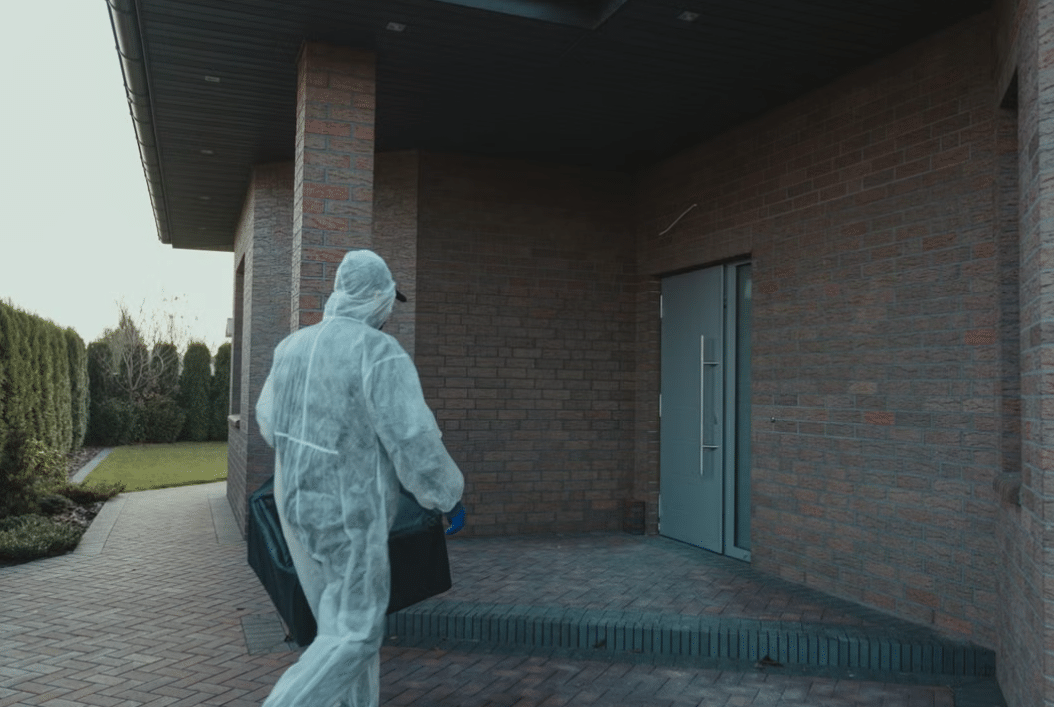
You spot ants crossing the kitchen counter, hear scratching behind a wall, or find droppings inside a cabinet. A spray or a few traps may seem like an easy fix, but pests return. That can be frustrating, especially after you have cleaned the area and stored food carefully. Nests may remain hidden, entry gaps may stay open, and moisture or food sources may continue to attract them.
Lasting relief requires more than treating the places where pests appear. An exterminator identifies the species, traces its activity, and chooses methods that address the source of the infestation. The following steps explain how professional services eliminate common household pests and help stop them from returning.
1. Accurate Pest Identification And Assessment

The first step is identifying exactly what has entered your home. Ants, termites, cockroaches, rodents, and bed bugs leave different signs and need different treatments. A technician checks for droppings, shed skins, damaged wood, nests, and live activity rather than relying only on what you have seen.
The inspection may cover kitchens, bathrooms, basements, attics, and spaces around pipes or appliances. Tell the technician where and when you notice activity; those details can help reveal travel routes and the extent of the infestation.
The technician may also ask about recent deliveries, travel, or changes in the home, since these can help explain how pests arrived. Share these details openly so the inspection is complete. This saves time.
Once the pest and its source are clearer, residential exterminator services can recommend a plan suited to your home’s layout and the severity of the problem. This prevents guesswork and targets the right pest.
2. Targeted Treatments For Common Household Pests
A method that controls ants may not work for rodents or bed bugs. Exterminators thus select products and methods based on the pest, its behavior and where it resides. Baits can be used to control ants in active trails, and cockroaches can be treated with bait stations and by applying bait in cracks or hiding spots.
Bed bug treatments focus on sleeping areas, furniture seams, and nearby hiding spots. Rodent control can involve the use of traps and surveillance equipment and actions to eliminate food and water access. The treatment of termites usually involves special products in and around foundations or infected wood.
Ask which areas will be treated and what precautions you should take. The technician is supposed to tell you when pets or children are to stay away, and when rooms can be utilized again. Follow these instructions carefully; moving bait stations or cleaning treated areas too soon can interfere with results.
3. Professional Elimination Of Pest Nests And Colonies
Killing the pests you can see does not always end an infestation. Ants on your counter might be members of a larger colony, but cockroaches may be hiding behind appliances or in cracks and crevices. Provided their nest or shelter is still active, additional pests might emerge following treatment.
Exterminators locate places where pests gather, reproduce, or hide. They can rely on a bait that worker ants will bring to the colony, treat the available cockroach harborages, or seek rodent nesting sites prior to placing traps, depending on the species. This is aimed at countering the origin, rather than single sightings.
Your technician is to explain to you the estimated time frame and necessity of another visit. Do not disturb bait or treated areas unless advised.
4. Removal Of Pest Entry Points And Hiding Spots
Pests can return if they still have easy access to your home. Gaps around pipes, spaces beneath doors, damaged screens, and foundation cracks can provide entry. Clutter, cardboard, food residues, and damp storage spaces provide the pests with hiding places indoors.
An exterminator may suggest closing up gaps, installing screens, installing door sweeps, or dealing with moisture. Some of the ways you can contribute are storing food in closed containers, wiping food crumbs, emptying trash and cleaning up around the appliances.
Wiring repair or structural repairs may involve the use of a qualified contractor. Inquire about gaps or conditions to address first. Withdrawal of access and shelter make your home less desirable and facilitate the treatment.
5. Follow-Up Treatments To Prevent Pest Recurrence
Eggs can hatch after the first visit, hidden pests may emerge later, and some baits take days to affect a colony. Follow-up visits enable the exterminator to inspect the progress and follow up on remaining activity.
The technician can check traps and bait stations, search for new droppings or damage, and return to areas where pests had been detected. In case there are indications, the plan might have to be changed. The continued activity may be due to an unnoticed hiding place, a hole that has not been repaired, or something that requires additional time to heal.
Carry out preparation, report new sightings and leave monitoring devices. After pests disappear, continue to seal food, manage moisture, maintain screens, and inspect items brought indoors. These practices can minimize the chances of another infestation.
Conclusion
Effective extermination involves more than spraying where pests appear. It combines accurate identification, targeted treatment, nest control, entry-point repairs, and follow-up checks.
If pests persist, arrange an inspection instead of repeating spot treatments. Ask what the technician found, which areas need attention, and what you should do next. A clear plan and consistent prevention can help keep your home comfortable and pest-free.
