


One week a lawn may appear healthy, and the next week it may appear to be stressed. A period of high temperatures may make the soil dry, whereas a lot of precipitation may cause the soil to be wet.
Then, with the conditions apparently stabilized, another temperature fluctuation could alter the requirements of the grass. The unpredictability is what makes a lawn-care routine challenging to adhere to.
This is where professional care can make a difference. It is responsive because it modifies mowing, watering, fertilization, and other activities in response to prevailing conditions.
The idea is quite straightforward: provide the lawn with what it requires without imposing a schedule that is no longer in line with the weather patterns. That’s particularly crucial when you’re dealing with constantly evolving weather conditions.
From local adjustments to careful treatment timing, it comes down to flexibility. Here are five ways professional lawn care deals with unpredictable weather.
1. Adjusts Care to Current Conditions

Every week is not handled the same way by professional lawn care. Rather, the state of the lawn, recent weather, and anticipated conditions inform the next step.
For example, mowing may be delayed when the ground is too wet. Watering can also be minimized as soon as heavy rain falls or increased in case of persistent dry weather. The flexible method assists in eliminating needless tension.
That is important in Elk River, Minnesota, where the shift in season brings about various lawn-care needs. Weather changes between rain, heat, cold, and dry seasons may influence grass growth and soil moisture. For homeowners in need of lawn care in Elk River, it may be more reasonable to adjust regular maintenance according to local conditions rather than follow the same maintenance routine throughout the year.
This comes in handy when the weather changes before the next planned visit, as well.
2. Changes Watering After Rain or Dry Spells
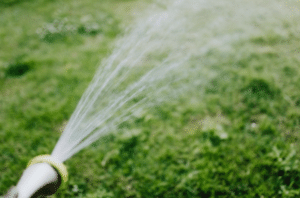
Water management becomes especially important when rainfall is inconsistent. Too little moisture can stress grass, while excessive water can keep soil saturated.
Professionals consider recent rainfall, soil moisture, temperature, and lawn conditions before adjusting irrigation. This avoids the common error of watering just because it is scheduled to be done at a certain time.
Heavy rainfall can occur in the summer and be followed by periods of drought, so irrigation adjustments are important. Paying attention to weather conditions rather than relying on a fixed watering schedule can help prevent unnecessary watering and moisture stress.
During a dry spell, careful watering can support recovery. After substantial rain, additional irrigation may not be necessary. A properly adjusted watering program provides the lawn with the moisture it needs while avoiding excess watering during wet soil periods.
3. Modifies Mowing When Weather Changes
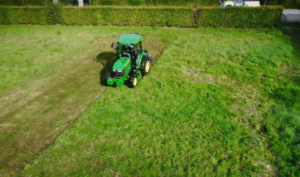
Mowing can become tricky when weather shifts quickly. Wet grass, extreme heat, drought stress, or unusually fast growth can affect when the lawn should be cut.
Rather than forcing the grass into a rigid schedule, professional care can adjust mowing based on its condition. Cutting too aggressively during stressful conditions may make recovery harder.
A practical mowing approach considers:
- Current grass height
- Soil moisture
- Recent rainfall
- Heat or drought stress
These factors help determine whether the lawn needs a routine cut or more time to recover.
4. Time Fertilization and Treatments Carefully
Weather also affects when lawn treatments make sense. Applying fertilizer or other treatments at the wrong time can be less effective, especially when grass is stressed by heat, drought, or excessive moisture.
That is why professional care considers current conditions before scheduling applications. If the lawn needs time to recover from extreme weather, some treatments can be postponed until conditions become more suitable.
Seasonal lawn-management guidance suggests some routine tasks may have to be postponed until conditions ease up during prolonged droughts, excessive heat, or cold. This ensures that decisions are made in terms of the state of the lawn and not the date.
5. Responds After Weather Extremes
When extreme weather events hit, lawn care doesn’t end. The impact of such weather can also indicate what the lawn might need next.
Intense heat may leave areas thin or stressed. Heavy rain can create standing water or leave soil difficult to work on. Sudden temperature changes can alter normal growth patterns.
After unusual weather, professionals can inspect the lawn and adjust the next steps. That may involve changing irrigation, postponing mowing, addressing drainage concerns, or modifying upcoming treatments. Early attention can help prevent a temporary problem from becoming a longer-term issue.
This is where the earlier adjustments come together. Each decision is based on how the weather has affected the lawn and what it needs to recover.
Bringing it Together
Unpredictable weather means that lawn care does not necessarily follow a set calendar, but it is more of a reaction to the needs of the grass. Professional attention can modify the timing of watering, mowing, treatments, and maintenance according to the conditions. Such versatility allows eliminating needless stress and promotes healthier development during the season. It also maintains decisions related to what is occurring outside as opposed to a fixed schedule.
This means for homeowners, the lawn can be maintained on a regular basis, and the time of each task is not rigidly set. The advantage is that it provides greater long-term adaptability; professional lawn services don’t just react to what’s going on with the lawn; they adjust their methods based on weather and lawn conditions.
