

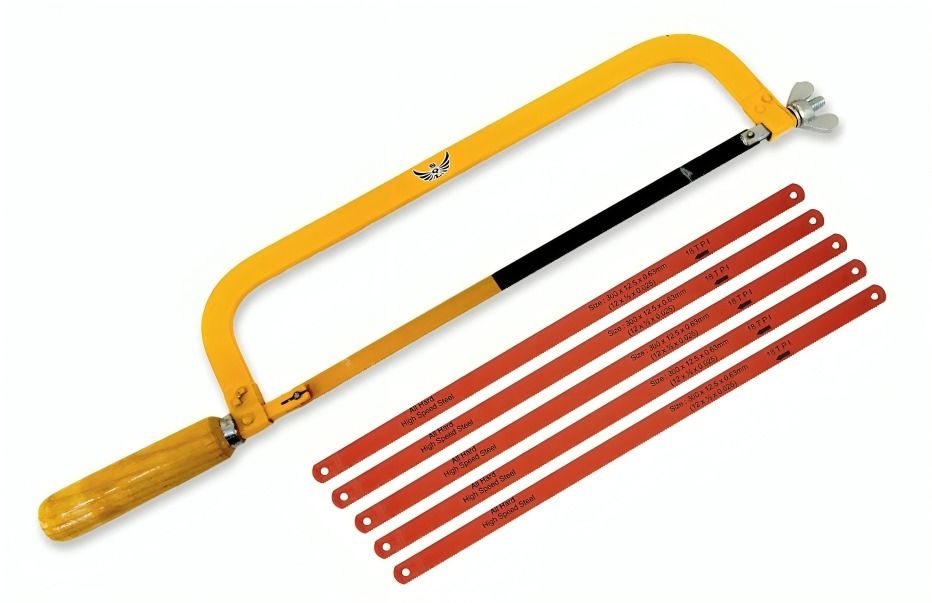
Hacksaw Blade is a thin, toothed cutting tool designed for precision cutting of metal, wood, and plastic. It is mounted on a hacksaw frame and comes in various sizes and materials, such as carbon steel, bi-metal, and tungsten carbide-tipped blades.
The number of teeth per inch (TPI) determines the blade’s suitability for different materials—higher TPI for metal and lower TPI for wood. A hacksaw blade is commonly used in workshops, construction, and DIY projects for accurate cutting.
Understanding Hacksaw Blade Size
The hacksaw blade size plays a crucial role in determining its cutting efficiency. Standard sizes range from 6 inches to 12 inches, with a 12-inch hacksaw blade being the most commonly used. The size affects cutting precision, with smaller blades ideal for delicate cuts and a 12-inch hacksaw blade providing better control for heavy-duty tasks. Choosing the right size depends on the material being cut. Thicker metals require longer and stronger blades, while shorter blades work best for detailed work. Understanding hacksaw blade size helps you optimize your cutting performance, ensuring clean and precise cuts. When selecting a blade, consider the thickness of the material, the desired smoothness of the cut, and the type of saw frame being used. Always match the blade size to the job for efficient cutting performance.
Types of Hacksaw Blades Explained
Different hacksaw blade types are available for various cutting needs. Coarse-toothed blades are best for cutting soft materials like plastic and wood, while fine-toothed blades are suited for cutting metals. High-carbon steel blades are affordable and ideal for occasional use, whereas bi-metal blades combine flexibility and durability, making them the best choice for professionals. The hacksaw blade frame also impacts performance, as certain frames are more suitable for specific blade types. Understanding hacksaw blade types ensures you choose the correct blade for each task. Using the wrong blade can lead to premature wear and inefficient cutting, so it’s essential to match the blade to the material for smooth and precise results.
Hacksaw Blade for Wood Cutting: Best Options
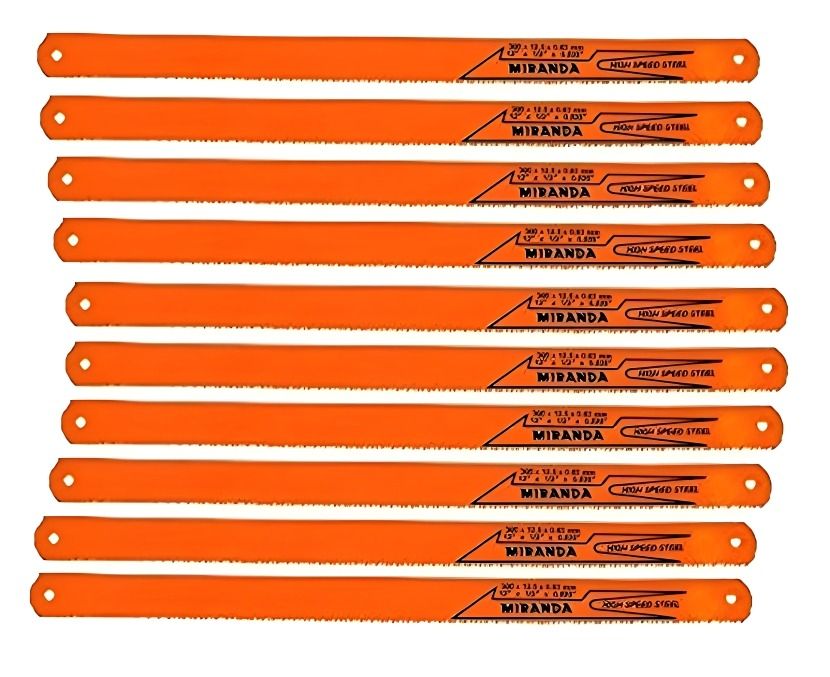
A hacksaw blade for wood cutting is designed differently from metal-cutting blades. It typically has fewer teeth per inch (TPI), around 14-18 TPI, to allow for faster cutting with less clogging. Hacksaw blade for wood is best used for thin wooden pieces or DIY projects, as it doesn’t provide as smooth a finish as a dedicated wood saw. When choosing a hacksaw blade for wood cutting, select a carbon steel blade for durability. If you’re working with hardwood, a bi-metal blade with larger teeth may offer better performance. Always ensure the blade is sharp and properly secured in the hacksaw blade frame to prevent wobbling and uneven cuts.
Hacksaw Blade for Metal: Choosing the Best One
A hacksaw blade for metal is specially designed with fine teeth to cut through hard materials like steel, aluminum, and brass. The TPI (Teeth Per Inch) determines the cutting efficiency. 18-24 TPI is ideal for softer metals, while 24-32 TPI is recommended for harder metals.
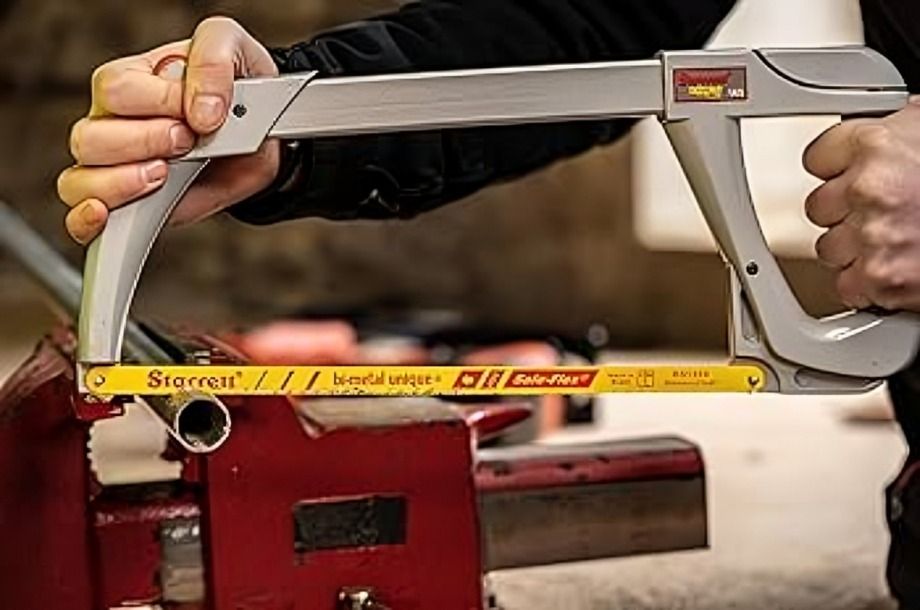
When using a hacksaw blade for metal, ensure it is tightly secured in the hacksaw blade frame for stability. Lubricating the blade can reduce friction and prolong its lifespan.
Avoid excessive pressure while cutting to prevent blade breakage. Choosing a bi-metal hacksaw blade ensures flexibility and durability, making it an excellent choice for heavy-duty metal cutting.
Hacksaw Blade Frame: Importance and Selection
A hacksaw blade frame holds the blade in place and provides stability during cutting. There are two main types:
- Fixed frames: Provide a rigid structure, best for straight and precise cuts.
- Adjustable frames: Allow for different hacksaw blade sizes, offering versatility.
When selecting a hacksaw blade frame, consider the type of work you’ll be doing. Heavy-duty frames are ideal for metal cutting, while lightweight frames work well for wood and plastic. Ensuring the blade is properly tensioned helps in achieving smooth, clean cuts without unnecessary bending or breakage.
Hacksaw Blade 12 Inch: When to Use It
A hacksaw blade 12 inches is the most common size, suitable for cutting both wood and metal. Compared to smaller blades, it offers better stability, making it ideal for precision cutting. The 12-inch hacksaw blade is versatile, working well for construction, plumbing, and DIY projects. It fits most hacksaw blade frames and provides an optimal balance between flexibility and strength. If working with thicker materials, a bi-metal 12-inch blade is recommended for its long-lasting durability.
Hacksaw Blade Price and Where to Buy
The hacksaw blade price varies based on material, size, and brand. Carbon steel blades are the most affordable, while bi-metal blades are more expensive but offer better longevity. Prices range from $5 to $30, depending on quality. Buying hacksaw blades online often provides discounts, while hardware stores offer a chance to check the blade quality before purchase. To get the best deal, compare different sellers and look for bulk purchase discounts.
Hacksaw Blade Price in Pakistan: What to Expect
The hacksaw blade price in Pakistan varies depending on the brand and material. Local brands offer affordable options, while imported bi-metal blades are more expensive but last longer. Prices typically range from PKR 300 to PKR 2,000, depending on the hacksaw blade size and type. The best places to buy include hardware markets, online stores like Daraz, and local tool suppliers.
3Moviesrulz MS: Latest HD Movies Download Site 2025
Hacksaw Blade Movie: The Pop Culture Reference
The term hacksaw blade movie refers to films that feature the hacksaw blade as a central element, often in survival or action scenes. One of the most famous references is in horror and thriller genres, where characters use a hacksaw blade in extreme situations. While it may not directly relate to real-life tools, these movies highlight the versatility and effectiveness of a hacksaw blade.
How to Choose the Right Hacksaw Blade for Any Job
When choosing a hacksaw blade, consider:
- Material: Use bi-metal blades for metal and carbon steel blades for wood.
- TPI (Teeth Per Inch): Lower TPI for wood, higher TPI for metal.
- Blade Size: A 12-inch hacksaw blade is the most versatile.
For professional work, invest in high-quality bi-metal blades to ensure durability and precision cutting.
Maintenance and Care for Your Hacksaw Blade
To extend the life of your hacksaw blade:
- Keep it clean and dry to prevent rust.
- Store it in a blade cover or tool case.
- Avoid excessive pressure while cutting.
- Regularly check for dull teeth and replace blades when necessary.
Proper maintenance ensures longer blade life and efficient cutting.
Safety Tips for Using a Hacksaw Blade
Using a hacksaw blade safely includes:
- Wear protective gloves and goggles.
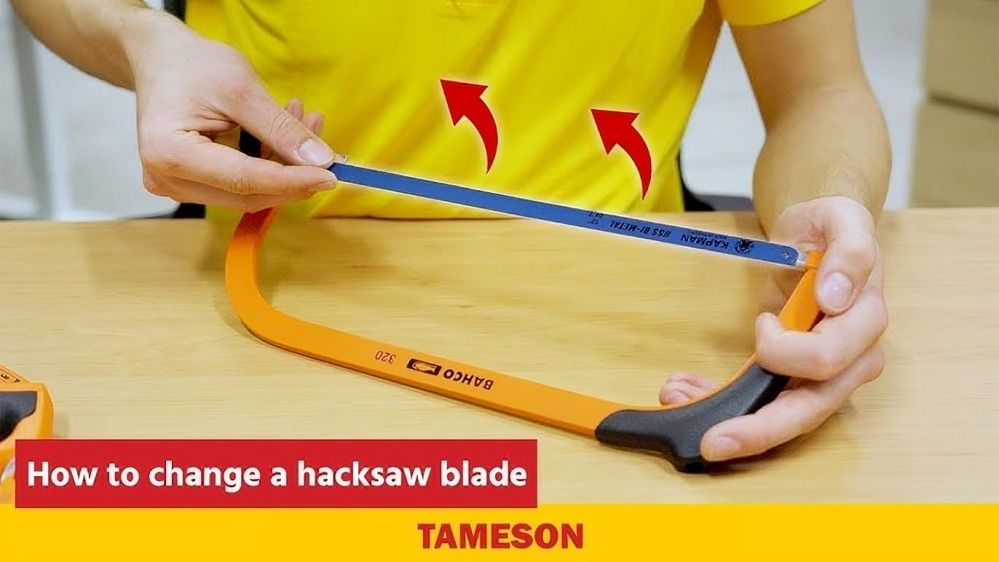
- Ensuring the blade is securely fixed in the hacksaw blade frame.
- Use slow, even strokes to avoid blade snapping.
- Keeping the workpiece firmly clamped.
Following these safety measures minimizes the risk of injuries and blade breakage.
Mike’s Pretty Good Campers: Best Teardrop Trailers
Frequently Asked Questions about Hacksaw Blade
What is a hacksaw blade used for?
A hacksaw blade is primarily used for cutting materials like metal, wood, plastic, and PVC pipes. It is commonly found in workshops, construction sites, and DIY toolkits. The choice of blade type, TPI (teeth per inch), and material determines its cutting efficiency. Bi-metal and carbon steel blades are ideal for cutting metals, while coarse-toothed blades work best for wood and plastic.
Can a hacksaw cut wood?
Yes, a hacksaw blade can cut wood, but it is not the most efficient tool for the job. A hacksaw blade for wood cutting should have a lower TPI (6–10) for smoother cuts. However, for thicker wood, a traditional wood saw is recommended for better precision and speed.
How thick metal can a hacksaw cut?
The thickness of metal a hacksaw blade can cut depends on the blade’s TPI and material. A 24 TPI hacksaw blade is suitable for cutting thin metal sheets, while a 14 TPI blade is better for thicker metals. A bi-metal blade offers more durability when cutting through hardened steel or pipes.
What is a 24 TPI hacksaw blade used for?
A 24 TPI hacksaw blade is used for cutting thin metal sheets, tubing, and small-diameter rods. The high number of teeth per inch allows for smooth, precise cuts without excessive material loss. It is ideal for workshops, plumbing, and electrical work where fine-cutting is required.
Conclusion of Hacksaw Blade
A hacksaw blade is a versatile and indispensable tool for cutting metal, wood, and plastic efficiently. Selecting the right blade type, TPI, and material ensures clean and precise cuts while extending blade life.
Regular maintenance, proper tensioning, and correct cutting techniques enhance performance and safety. Whether for professional work or DIY projects, investing in a high-quality hacksaw blade improves productivity.
Understanding blade sizes, frames, and material compatibility helps in choosing the best option for any task. By following the right safety precautions and using the appropriate blade, you can achieve accurate and smooth cuts in various materials.
