

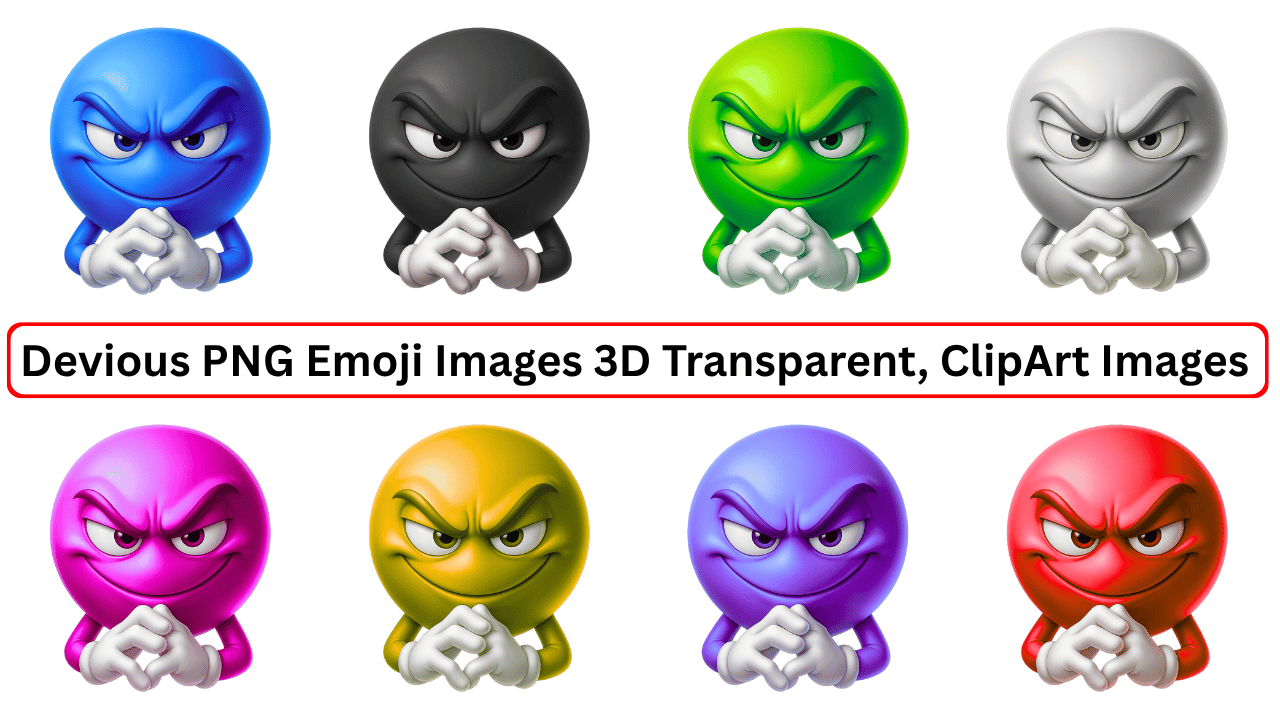
Devious Emoji is one of the most popular symbols in digital communication, instantly conveying mischief, sarcasm, and playful intent. Unlike standard smiley emojis, the Devious Emoji adds a layer of intrigue and personality to texts, chats, and social media posts.
Its purple devil face makes it visually striking, hinting at hidden meanings or cheeky humor. From casual conversations to TikTok trends, this emoji is versatile and widely recognized.
Understanding the Devious Emoji meaning, uses, and hidden intentions allows users to communicate more effectively, avoid misunderstandings, and add a fun, expressive touch to their messages across platforms.
Devious Emoji Meaning in Text Messages & Chats
The Devious Emoji carries a playful yet sneaky tone in everyday chats. When used in text messages, it often signals mischief, sarcasm, or hidden intention rather than true negativity. People add the Devious Emoji to show they are joking, teasing, or planning something fun. In casual conversations, it can soften a bold statement or make a message sound humorous instead of serious.
The hidden intent behind this emoji usually depends on context. Among friends, it suggests inside jokes or playful trouble, while in group chats, it can indicate confidence or cheeky humor.
On platforms like WhatsApp and Messenger, the Devious Emoji meaning helps express emotions that plain text cannot. Because tone is hard to read online, this emoji instantly clarifies that the message is light-hearted, clever, or intentionally mysterious rather than rude.
Hidden Intent Behind the Devious Emoji Revealed
The real power of the Devious Emoji lies in its hidden intent. It is rarely used randomly; instead, it hints at something unsaid. Many users add the Devious Emoji to imply a secret plan, a joke with layers, or playful manipulation.
This emoji often replaces long explanations by subtly suggesting “you’ll see” or “I know something you don’t.” In digital communication, the hidden meanings of emojis are crucial, and the Devious Emoji excels at this. It can express confidence, irony, or controlled chaos without sounding aggressive.
On social media, it may signal trending humor or meme culture awareness. The emoji’s purple devil face adds a dramatic flair, making messages feel intentional and expressive. Understanding the Devious Emoji meaning helps readers decode emotional subtext and avoid misinterpreting playful messages as offensive or hostile.
Why People Use the Devious Emoji Online So Often
People frequently use the Devious Emoji because it communicates complex emotions instantly. Online conversations lack facial expressions, so emojis fill that gap. The Devious Emoji combines humor, confidence, and mischief in a single symbol.
Users rely on it to sound witty, bold, or slightly rebellious without writing extra words. On social platforms, standing out matters, and this emoji adds personality to comments and captions. Another reason for its popularity is versatility—it fits jokes, teasing, sarcasm, and even subtle flirting.
The Devious Emoji meaning adapts easily to different contexts, making it a favorite among teens and adults alike. Additionally, meme culture and viral trends have normalized its use. Because it’s expressive yet non-offensive, people feel safe using it repeatedly. This balance of fun and mystery explains why the Devious Emoji remains widely used online.
Devious Emoji Meaning on TikTok & Social Media Trends
On TikTok, the Devious Emoji has evolved into a trend symbol rather than just an emoji. Creators use it in captions to suggest hidden intent, irony, or unexpected twists in videos.
The Devious Emoji meaning on TikTok often signals “wait till the end” or “this is about to get interesting.” It’s common in prank videos, glow-ups, and sarcastic commentary. Across platforms like Instagram and X, the emoji adds dramatic flair and boosts engagement.
Algorithms favor expressive captions, and emojis like the Devious Emoji help posts feel more relatable and fun. Influencers also use it to tease announcements or hint at controversial opinions. Because social media thrives on curiosity, this emoji perfectly fits viral culture. Understanding the Devious Emoji meaning on social media helps users interpret content tone accurately and join trends confidently.
Devious Emoji Uses in Flirting, Sarcasm & Fun
The Devious Emoji is extremely popular in flirting and playful banter. In romantic chats, it adds mystery and confidence, making messages feel bold but not aggressive. The Devious Emoji meaning in flirting often suggests teasing interest or playful attraction.
In sarcastic conversations, it clearly signals irony, preventing misunderstandings. Friends use it to joke, exaggerate stories, or mock situations harmlessly. Because tone can be misread online, the Devious Emoji acts as a safety signal, telling readers not to take the message too seriously.
It’s especially useful in humorous roasts or cheeky replies. The emoji’s mischievous expression enhances fun interactions while keeping things light. Whether used for fun, flirtation, or sarcasm, the Devious Emoji adds emotional depth and personality to digital conversations without crossing boundaries.
Psychology Behind Using the Devious Emoji
From a psychological perspective, the Devious Emoji reflects how people manage identity online. Users often want to appear confident, clever, or humorous, and this emoji supports that image. The Devious Emoji meaning aligns with controlled risk—suggesting rebellion without real danger. Psychologists note that playful mischief emojis help users express suppressed emotions safely.
It allows people to hint at bold thoughts without confrontation. The purple devil design adds theatrical expression, making communication more engaging. Using the Devious Emoji can also signal social intelligence, showing awareness of digital humor norms.
In group settings, it helps users gain attention and influence tone. Overall, the emoji satisfies emotional expression needs while maintaining social acceptance. Understanding the psychology behind the Devious Emoji explains why it feels empowering, playful, and socially effective in modern communication.
Devious Emoji vs Smiling Emoji: Key Meaning Differences
The Devious Emoji and standard smiling emojis may look similar in positivity, but their meanings differ greatly. A smile emoji conveys friendliness and openness, while the Devious Emoji suggests intention and mischief.
The Devious Emoji meaning often includes sarcasm, secrecy, or playful rebellion. Smiling emojis are safe and neutral, but the Devious Emoji adds edge and personality. In conversations, choosing between them changes tone instantly. A smile reassures, while the Devious Emoji provokes curiosity. On social media, smiles blend in, but the Devious Emoji stands out.
It signals confidence and humor rather than politeness. Understanding this difference helps users communicate more accurately. Using the wrong emoji can change how a message is perceived. That’s why recognizing the key differences between these emojis is essential for effective digital expression.
How the Devious Emoji Changes Message Tone Instantly
The Devious Emoji has the unique ability to transform message tone instantly. A plain sentence can sound serious, but adding the Devious Emoji makes it playful or sarcastic. The Devious Emoji meaning often signals irony or intentional exaggeration.
This is especially useful in text-only communication, where tone is hard to judge. The emoji reassures readers that the message isn’t hostile. It can also add suspense, suggesting something unexpected. On social media, tone matters for engagement, and the Devious Emoji increases emotional impact.
It invites readers to interpret messages creatively. Whether teasing, joking, or hinting at secrets, this emoji reshapes how words are received. Understanding how the Devious Emoji affects tone helps users avoid misunderstandings and communicate emotions more clearly and confidently.
Devious Emoji Explained With Real-Life Examples
Real-life examples make the Devious Emoji easier to understand. For instance, texting “I finished the project ” suggests sarcasm or hidden context. In comments like “Wait for tomorrow ,” the Devious Emoji meaning hints at a surprise.
Friends might use it after playful pranks to signal harmless intent. On social media, captions like “This wasn’t planned ” imply irony. These examples show how the Devious Emoji adds layers to communication. It rarely means something negative; instead, it enhances storytelling.
Using it appropriately helps convey humor and intention clearly. Misuse, however, can confuse readers. Observing real-world usage helps users learn context. Through examples, the Devious Emoji proves to be a flexible, expressive tool that enriches everyday digital conversations.
Secret Emojis on TikTok: Hidden Codes You Must Try
When NOT to Use the Devious Emoji in Conversations
Despite its popularity, the Devious Emoji isn’t suitable for every situation. In professional or formal conversations, it can appear unprofessional or confusing. The Devious Emoji meaning may be misinterpreted as sarcasm or disrespect in serious contexts.
During sensitive discussions, such as apologies or emotional topics, using this emoji can seem dismissive. Cultural differences also affect interpretation, making it risky in international communication. In customer service or official messaging, clarity matters more than humor.
Overusing the Devious Emoji can reduce its impact and annoy readers. Knowing when not to use it is as important as knowing when to use it. Proper emoji etiquette improves communication effectiveness. Understanding the limits of the Devious Emoji ensures messages remain appropriate, respectful, and well-received.
Devious Emoji Meaning Across Different Cultures
The Devious Emoji can carry slightly different meanings across cultures. In Western digital culture, it often represents playful mischief or sarcasm. The Devious Emoji meaning in some Asian communities leans more toward teasing humor. However, in conservative cultures, devil imagery may be taken more literally. This cultural variation affects interpretation.
Global platforms like TikTok and Instagram blend these meanings, but misunderstandings can still occur. Emojis are visual symbols, and cultural context shapes how they’re perceived. Understanding cultural differences helps users communicate respectfully.
The Devious Emoji isn’t offensive by default, but context matters. When interacting internationally, pairing emojis with clear text reduces confusion. Recognizing how the Devious Emoji is viewed worldwide helps users navigate digital communication more effectively and inclusively.
Devious Emoji Copy-Paste & Keyboard Shortcuts
Using the Devious Emoji is easy across devices. Most users simply copy-paste it into messages, captions, or comments. On smartphones, it’s found in the emoji keyboard under smileys. The Devious Emoji meaning remains consistent regardless of platform.
On desktops, keyboard shortcuts or emoji pickers make access simple. Content creators often save it for quick use in social posts. Because emojis boost engagement, knowing how to access them quickly is helpful. The Devious Emoji is frequently reused in memes and captions. Copy-paste usage ensures consistency in tone.
This convenience contributes to its popularity. Mastering emoji shortcuts improves communication speed. Whether texting or posting, easy access to the Devious Emoji makes expressive messaging effortless and engaging.
Hidden Meanings of Devious Emoji in Dating Chats
In dating chats, the Devious Emoji carries subtle but powerful implications. It often signals flirtation, confidence, or playful challenge. The Devious Emoji meaning in this context suggests attraction without explicit language. It helps users appear bold yet charming.
Dating apps rely heavily on tone, and emojis shape first impressions. Using the Devious Emoji can spark curiosity and intrigue. However, overuse may seem insincere. Timing and context are crucial. When used sparingly, it enhances chemistry.
The emoji can also soften bold compliments or teasing remarks. Understanding its hidden meanings helps daters communicate interest effectively. The Devious Emoji adds excitement to conversations while maintaining mystery, making it a popular choice in modern digital dating.
Devious Emoji Uses in Memes & Viral Content
The Devious Emoji thrives in meme culture. Memes rely on irony, exaggeration, and humor—qualities perfectly matched with this emoji. The Devious Emoji meaning in memes often amplifies sarcasm or unexpected twists. Viral content creators use it to hint at chaos or clever humor.
On platforms like TikTok and Instagram, it enhances comedic timing. The emoji visually reinforces punchlines. Memes spread quickly, and recognizable emojis boost relatability. The Devious Emoji adds personality without extra words.
Its expressive design fits internet humor trends. Understanding how it’s used in memes helps users stay culturally relevant. The emoji’s adaptability ensures its continued presence in viral content. In meme culture, the Devious Emoji acts as a universal signal for playful mischief.
How Brands & Influencers Use the Devious Emoji
Brands and influencers strategically use the Devious Emoji to appear relatable and playful. It helps humanize marketing messages and engage younger audiences. The Devious Emoji meaning in branding often suggests confidence or cleverness. Influencers use it to tease announcements or create suspense.
Brands avoid overusing it to maintain professionalism. When used correctly, it increases engagement rates. Emojis make content feel conversational rather than corporate. The Devious Emoji fits well with humor-based campaigns.
Understanding audience preferences is key. This emoji works best for lifestyle, entertainment, and fashion brands. Its controlled mischief aligns with modern digital marketing trends. When used thoughtfully, the Devious Emoji enhances brand personality and strengthens online presence.
Tiktok Crying Emoji PNG Free Download (HD & Transparent)
Is the Devious Emoji Evil or Just Playful
Despite its devil appearance, the Devious Emoji is rarely evil. The Devious Emoji meaning is more playful than sinister. It represents controlled mischief rather than harm. Users employ it humorously, not maliciously. The emoji’s cartoonish design reduces negativity. In digital culture, devil imagery often symbolizes rebellion or fun.
Understanding this distinction prevents misinterpretation. The Devious Emoji thrives on irony and exaggeration. It’s meant to entertain, not intimidate. Context determines perception. When paired with light-hearted text, it remains playful.
Recognizing that it’s symbolic rather than literal helps users communicate confidently. The Devious Emoji is best viewed as a fun expression of personality, not true negativity.
Devious Emoji Meaning for Teens vs Adults
Age influences how the Devious Emoji is interpreted. Teens often use it to express humor, sarcasm, or rebellion. The Devious Emoji meaning among teens aligns with meme culture and trends. Adults may use it more cautiously, often for irony or playful confidence. Generational differences affect emoji interpretation.
Teens embrace exaggerated expression, while adults prioritize clarity. Understanding these differences helps avoid miscommunication. On shared platforms, context bridges generational gaps. The Devious Emoji remains versatile across age groups.
Recognizing audience age improves communication effectiveness. Whether teen or adult, users adapt its meaning based on social norms. This flexibility keeps the Devious Emoji relevant across generations.
Common Misunderstandings About the Devious Emoji
Many misunderstandings surround the Devious Emoji . Some assume it always implies negativity or malice. In reality, the Devious Emoji meaning is usually playful. Misinterpretation occurs when context is ignored. Cultural differences also contribute to confusion. Another misconception is that it’s inappropriate for casual use—it’s not.
Overanalyzing emojis can distort intent. Understanding digital communication norms reduces confusion. The Devious Emoji often signals humor or sarcasm. Clarifying intent with words helps prevent misunderstandings.
Educating users about emoji meanings improves online interaction. Recognizing common misconceptions ensures accurate interpretation. Ultimately, the Devious Emoji is a versatile, expressive tool meant to enhance—not harm—digital conversations.

Fun Facts about Devious Emoji
- The purple color of the Devious Emoji represents mystery and playfulness.
- It’s commonly used in memes and viral social media content.
- Despite its devilish look, it rarely implies real evil.
- The Devious Emoji is popular for flirting and teasing online.
- It can instantly change a plain message into a playful or sarcastic one.
Frequently Asked Questions about Devious Emoji
What does the Devious Emoji mean?
It usually signifies mischief, sarcasm, playful intent, or hidden meaning, rather than real evil.
Can I use the Devious Emoji in professional chats?
Generally, it’s better for casual or social conversations, not formal communication.
Is the Devious Emoji used differently on social media?
Yes, on platforms like TikTok and Instagram, it often signals irony, fun, or viral trends.
How is the Devious Emoji interpreted across cultures? Interpretations vary; some see it as playful mischief, while others might view devil imagery literally.
How do I copy or use the Devious Emoji easily?
You can copy-paste or use emoji keyboards on mobile and desktop platforms.
Conclusion of Devious Emoji
The Devious Emoji is more than just a playful face—it’s a powerful tool for expressing hidden intentions, humor, and sarcasm in digital conversations. Its widespread use on messaging apps, TikTok, Instagram, and social media highlights its versatility and cultural relevance.
Whether used for flirting, teasing, memes, or viral trends, the Devious Emoji meaning adapts to different contexts while keeping messages engaging and fun.
Understanding its nuances, psychology, and cultural interpretations ensures effective communication and prevents misinterpretation. By mastering the use of the Devious Emoji, users can enhance tone, convey personality, and participate confidently in modern online expression, making it an essential part of emoji literacy today.
