

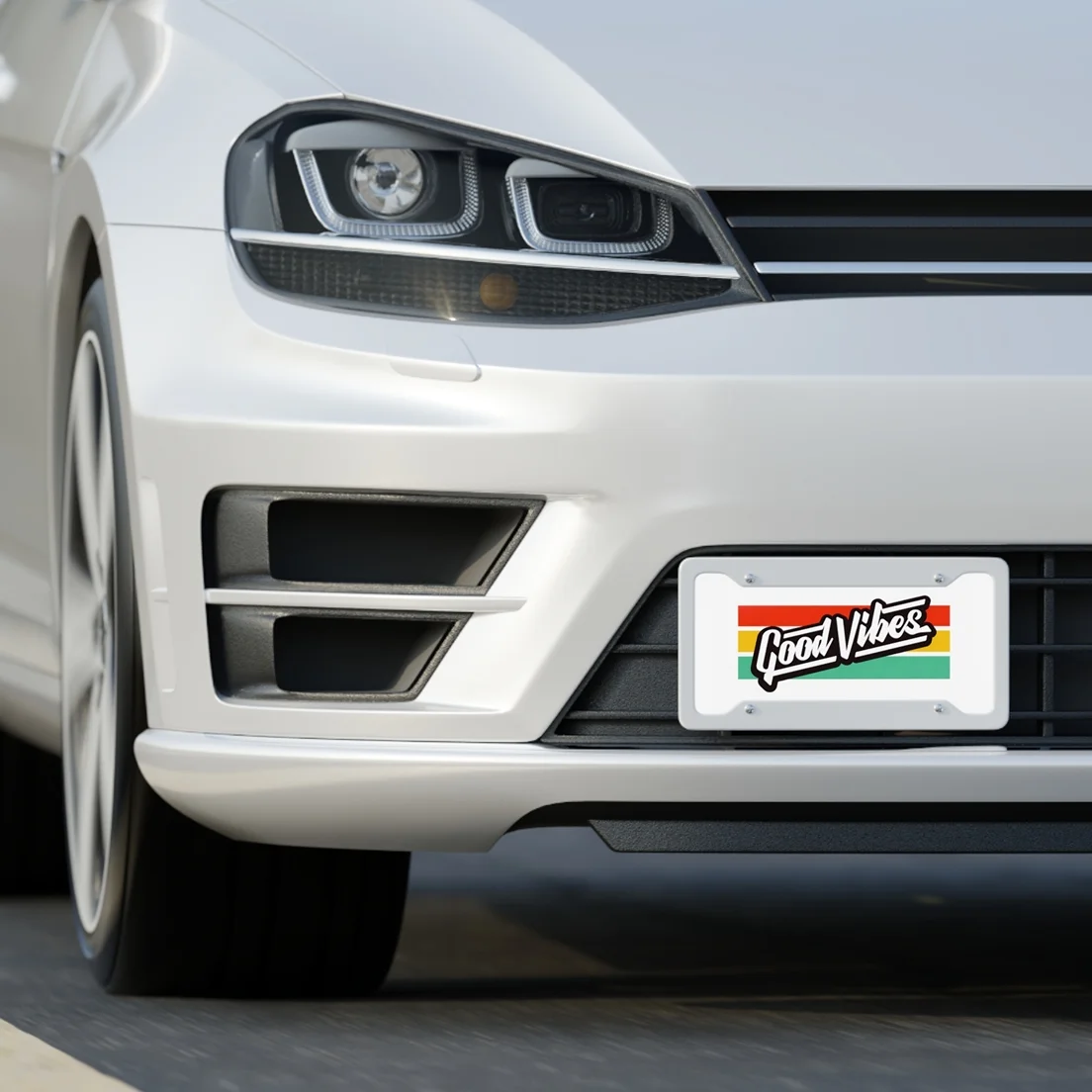
The most interesting custom proper plate designs combine personality with clarity. Bright colors can attract attention, but they can also obscure text if they lack contrast. A font with a pleasing, playful touch appears unique, but it can become unreadable with more dirt on the plate or if the plate moves. Even the spacing and placement of the symbols alters the whole appearance.
Simple design principles often assist in creating a visually appealing plate that is not excessively busy. This post describes how to select colors, fonts, and layouts that come alive, suit your vehicle’s style, and remain readable under practical conditions.
Selecting Eye-Catching Colors
The color you choose for the plate has a significant impact on the plate’s visibility and attractiveness. Colors like red or yellow attract attention by default and improve reading distance. Use contrasting background and text colors to enhance legibility, particularly in different lighting. Too many light and soft tones can look quite fancy but will lose the power of the impact without bold text.
Particularly, color interaction—whether the colors stay legible in the day and night driving conditions. When you design your own license plate, color contrast becomes an important factor, since bold text against a clear background improves visibility and readability in different lighting conditions.
Using the Correct Font for Easy Readability
There are many things to consider when choosing a custom license, but the font style dictates how easy it is to read. Font style helps determine how easily your custom license will be read. Basic and strong font types are more recognizable identification—even in a few cars. Lettering that appears in decorative or script fonts with fancy styles, however, can be highly stylized and make the receipt of characters appear illegible. The most distinct and least likely to be confused with one another is block lettering—printed in a way that each symbol is distinct and separate.
Balancing Layout and Spacing
It is how you would arrange your letters, numbers, and graphics on the plate that matters the most. Alignment helps every component seem cohesive, so it does not look crowded. Proper spacing between characters prevents them from merging with each other and helps maintain readability and attractiveness. In contrast to left or right, where you can create a sort of dynamic feel, centered tucked text typically looks more orderly. If you are adding symbols or images, plenty of blank space keeps the plate from feeling cluttered.
Adding Personal Touches with Graphics
Embellishing smaller images or unique icons brings a unique appearance to a custom plate. Stars, hearts, and other simple graphics can give flair that does not distract from the main message. It is important to opt for images that go well with the selected color and font so that the plate is still readable. Images that are too large or too complex may distract, rendering the text less legible. Small relevant graphics add interest and also give the plate a sense of representing the interest or hobby of the owner.
Considering Legal Requirements
Each area has its own unique rules about what sort of custom plates (such as colors, fonts, and graphics) are allowed. Following these guidelines will ensure your design is accepted, saving you time and money. Others have limitations on some colors and letter combinations to maintain safety or reduce confusion with official vehicles. Knowing these guidelines, owners can confidently create a safe plate that meets both their needs and the law.
Maximizing Visibility and Durability
Not only color and typeface, but also the type of materials and finishes influence visibility distance. To aid readability at night and during foul weather, reflective surfaces are implemented. We use high-grade materials that are resistant to fading, keeping the plate eye-catching for several years. Keep the plate looking sharp for years with regular cleaning and an occasional touch-up.
Testing the Final Design
Before placing an order for a custom plate, it is a good idea to preview the design in different settings to identify any issues. The best way to get a feel for the layout is to view it in various lighting conditions, including natural light, artificial light, and distance. Feedback from friends or family can offer a new perspective, highlight issues, or suggest areas for improvement. Small changes early on usually make for a sleeker, more functional result.
Making a Statement with Confidence
A license plate made with thought looks wonderful on any car. With shiny colors, naked fonts, and balanced designs, owners can offer a plate that stands out the right way. Details and careful design bring together what feels like an intrinsic touch. With little effort, anyone can design a plate that captures the eye and makes a lasting first impression.
