

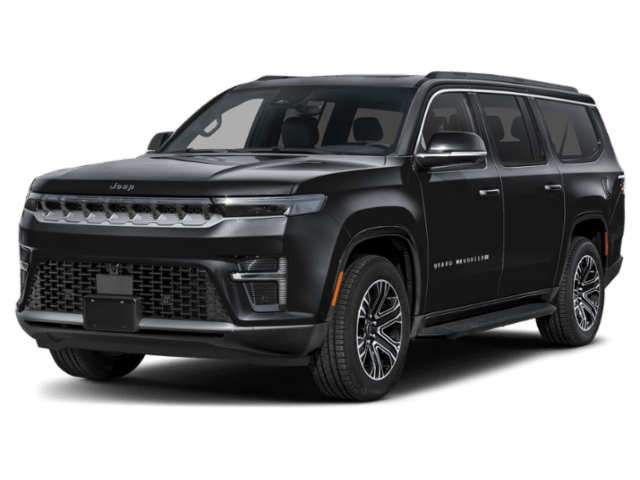
Choosing the right vehicle often comes down to understanding how different models compare in terms of performance, comfort, technology, and everyday practicality. At a dealership level, this comparison becomes even more important because buyers can see, test, and evaluate multiple options side by side. Chrysler and Jeep models are especially popular because they serve different driving needs, from family-friendly comfort to rugged off-road capability. For shoppers exploring options at a Chrysler dealership Mount Pleasant, Michigan, comparing models in person helps clarify which vehicle best matches their lifestyle, whether they prioritize space, power, efficiency, or versatility.
Chrysler Sedans: Comfort and Everyday Refinement
Chrysler sedans are known for their comfort-focused design and smooth driving experience. These vehicles are often chosen by drivers who prioritize a relaxed ride, spacious interiors, and user-friendly features.
Inside a Chrysler sedan, passengers typically find high-quality seating materials, generous legroom, and intuitive dashboard layouts. These features make daily commuting and long-distance travel more enjoyable.
In terms of driving dynamics, Chrysler sedans are tuned for comfort rather than aggressive performance. This makes them ideal for highway cruising and city driving where smooth handling and stability are important.
Buyers comparing Chrysler sedans with other models often appreciate their balance of practicality and refinement, especially for family use.
Jeep SUVs: Off-Road Capability and Adventure Readiness
Jeep models stand in contrast to Chrysler sedans by focusing on rugged capability and off-road performance. These vehicles are designed for drivers who value adventure, outdoor travel, and all-terrain versatility.
Jeep SUVs typically feature four-wheel-drive systems, higher ground clearance, and durable suspension setups that allow them to handle challenging road conditions with ease. Whether driving through snow, mud, gravel, or rocky terrain, Jeep vehicles are built to perform.
This makes them especially popular among drivers who enjoy camping, hiking, or exploring rural and off-road environments. Even in everyday city driving, Jeep models maintain a strong sense of capability and presence.
Comparing Interior Space and Passenger Comfort
Interior space is an important factor when comparing Chrysler and Jeep models.
Chrysler vehicles generally prioritize passenger comfort with spacious seating arrangements, especially in rear seats. The focus is on providing a quiet, smooth, and relaxed cabin environment.
Jeep models, on the other hand, offer versatile interiors that balance comfort with durability. While still comfortable, Jeep interiors are designed to withstand outdoor conditions and active lifestyles. Materials are often more rugged, and seating configurations may be more flexible for cargo and gear.
This difference helps buyers decide whether they prefer luxury-oriented comfort or adventure-ready practicality.
Technology and Infotainment Features
Both Chrysler and Jeep vehicles come equipped with modern technology, but their application varies slightly based on model purpose.
Chrysler models often emphasize entertainment and convenience, with large touchscreen systems, premium audio setups, and seamless smartphone integration. These features enhance the experience for passengers and long-distance travelers.
Jeep vehicles also include advanced infotainment systems, but with added off-road utility features such as terrain monitoring displays and navigation tools suited for outdoor exploration.
In both cases, technology plays a key role in improving safety, convenience, and driving enjoyment.
Performance Differences Between Chrysler and Jeep
Performance is one of the most noticeable differences between Chrysler and Jeep models.
Chrysler vehicles are generally engineered for smooth acceleration, quiet operation, and fuel-efficient highway driving. Their performance is tuned for comfort and everyday usability rather than extreme conditions.
Jeep vehicles, however, are built for strength and adaptability. Their performance systems prioritize traction, torque, and control in challenging environments. This makes them ideal for drivers who need capability beyond paved roads.
When comparing the two, buyers often choose based on whether they value refined road driving or rugged off-road strength.
Fuel Efficiency and Driving Costs
Fuel efficiency is another important consideration when comparing models.
Chrysler sedans typically offer better fuel economy due to their lighter weight and aerodynamic design. This makes them a cost-effective choice for commuters and families who drive frequently.
Jeep SUVs tend to consume more fuel, especially in four-wheel-drive configurations. However, newer Jeep models have improved efficiency through modern engine technology and hybrid options in some cases.
Understanding these differences helps buyers evaluate long-term ownership costs more accurately.
Safety Features Across Both Brands
Safety is a priority in both Chrysler and Jeep vehicles, though features may vary depending on model type and trim level.
Common safety technologies include lane departure warnings, blind-spot monitoring, rearview cameras, and adaptive cruise control. These systems help drivers stay aware of their surroundings and reduce the risk of accidents.
Jeep models often include additional features designed for off-road safety, such as hill descent control and terrain response systems.
Chrysler vehicles focus more on highway and urban safety assistance, supporting smooth and controlled driving in everyday conditions.
Cargo Capacity and Practical Utility
Cargo space is another key factor in model comparison.
Chrysler sedans typically offer trunk storage suitable for daily needs, groceries, and light travel. Some Chrysler models with larger body styles provide additional flexibility.
Jeep SUVs, however, excel in cargo versatility. Foldable rear seats, larger cargo areas, and roof storage options make them ideal for road trips, outdoor gear, and bulk transportation needs.
This makes Jeep models more suitable for active lifestyles and travel-heavy use.
Driving Experience and Road Feel
The overall driving experience differs significantly between Chrysler and Jeep vehicles.
Chrysler models provide a smooth, quiet, and stable ride that is ideal for long commutes and highway driving. Steering is light, and suspension is tuned for comfort.
Jeep models offer a more commanding driving position and a stronger road presence. Drivers often feel more connected to the terrain, especially in off-road or uneven conditions.
These differences help define the emotional appeal of each brand, influencing buyer preference.
Customization and Trim Options
Both Chrysler and Jeep offer a variety of trims and customization options, allowing buyers to tailor vehicles to their needs.
Chrysler trims often focus on luxury upgrades, including premium interiors, advanced infotainment systems, and enhanced comfort features.
Jeep trims emphasize performance upgrades, off-road packages, and exterior styling variations. Buyers can choose from sport-focused, luxury, or adventure-ready configurations depending on their goals.
This flexibility ensures that both brands can serve a wide range of customers.
Lifestyle Fit and Buyer Preferences
Ultimately, the choice between Chrysler and Jeep models often comes down to lifestyle.
Chrysler vehicles are well-suited for families, commuters, and drivers who prioritize comfort, efficiency, and smooth driving.
Jeep vehicles appeal to adventure seekers, outdoor enthusiasts, and drivers who need rugged capability and all-terrain performance.
Understanding lifestyle needs helps buyers make more confident and satisfying decisions.
Conclusion
Comparing popular Chrysler and Jeep models at Mount Pleasant reveals clear differences in design philosophy, performance, and intended use. Chrysler vehicles focus on comfort, refinement, and everyday practicality, making them ideal for smooth and efficient driving experiences. Jeep models, in contrast, emphasize rugged capability, off-road strength, and adventure readiness, appealing to drivers with active and outdoor-focused lifestyles. By evaluating factors such as comfort, technology, safety, fuel efficiency, and cargo space, buyers can identify the vehicle that best aligns with their personal needs. This comparison process ensures a more informed decision and a more satisfying long-term ownership experience.
