

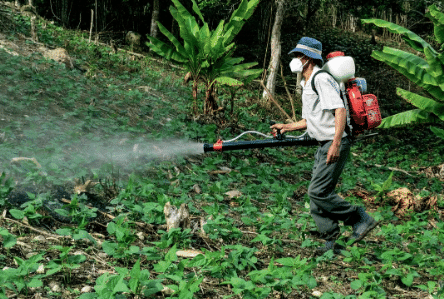
What indicators will help you know whether the exterminator you’re hiring is qualified to make your pest problem safe? If pests become a recurring problem, they can cost you money, damage your property, or tempt you to choose the least expensive treatment. None of these is adequate.
Those concerns often drive homeowners to look online, compare prices, request recommendations, and confirm that the pest falls within the provider’s area of expertise. Instead, identify the pest, verify licensing and experience, compare options in detail, learn about their treatment methods, and check feedback, complaints, insurance, and terms.
Industry experts outline several tips and tricks, such as checking credentials, getting multiple estimates, asking for references, and investigating complaints. This article will discuss how to assess exterminators in your area and choose the most suitable, competent one with a legitimate program for your home.
1. Start By Identifying the Pest Problem

When hiring, find out what you have to deal with. Different inspection and control procedures are needed for ants, termites, rodents, cockroaches, mosquitoes, bed bugs, and wasps. An accredited exterminator should examine the property, and the same treatment should not be suggested for every infestation.
Integrated pest management (IPM) identifies the problem, monitors it, prevents it, and controls it if necessary. Standard industry guidelines emphasize the need for a tailored approach for common urban pests, and expert guidance focuses on inspection, identification, prevention, and follow-up as integral components of IPM.
When searching for exterminators near you, start by focusing on the pest, signs of activity, and conditions that may be attracting it.
2. Check Licensing and Professional Credentials
Licensing requirements differ by state, so check the company’s licensing with the state pesticide regulatory agency. People applying or supervising restricted-use pesticides must be certified under federal or applicable state regulations.
Some states require additional certifications for other classes of commercial applicators.
Ask for proof of:
- Current company or applicator licence
- Required pesticide certification
- Relevant technician credentials
- Other local requirements (if any)
A reputable service provider should be able to provide details of the people doing the job and show documentation of the necessary skills on request.
3. Look For Relevant Experience With Your Type Of Pest
Experience with general pest control does not guarantee any expertise in dealing with specific pest problems. Termites may need a structural inspection, bed bugs may need a thorough inspection and ongoing monitoring, and rodents may need exclusion and trapping.
Ask how often the company deals with the pests you are dealing with and whether they’ve worked on similar properties. For instance, if a provider regularly handles rodent infestations, they should be able to identify entry points, determine how rodents are getting inside, and recommend appropriate exclusion measures.
4. Compare Several Local Exterminators

When there are several local exterminators available, compare their rates to find the best one for your finances.
Getting several estimates can help you compare the scope and cost of pest control services. Make sure that your estimates include information about:
- The pest species that were identified
- The proposed treatment methods and the areas that will be treated
- The total cost of the visit(s) and follow-up visits
The lowest-priced quote may not offer the same level of service as other quotes. For example, a $100 budget quote may be limited to surface spraying, while a $300 quote may include structural crack-sealing and warranties.
5. Ask About Treatment Methods and Pesticide Safety
A competent provider must clarify to you what will be used, where it will be applied, and what preparation is required before treatment and when it is safe to re-enter the treated area. Pesticide labels include directions, precautionary statements, first aid information, and legal use requirements.
Industry experts always stress the importance of reading and following the entire label before applying a pesticide.
Ask:
- What the product or active ingredient will be
- How it will be used
- If there are any precautions that apply to children, pets, or other occupants
- If it is suitable to use non-chemical approaches
A sound integrated pest management approach also combines prevention and risk-reduction measures with pesticides when treatment is necessary.
6. Research Reviews, References, and Complaint History
If you notice trends in communication, punctuality, billing, re-infestations, or follow-up service, these may be problems. Don’t accept every positive review on a company’s website; check a few independent sites.
Look for available information about the company’s complaint history, references, and previous service performance. If you’re looking for larger or more frequent pest control service, you might ask for a reference.
7. Confirm Insurance and Scope Of Service
Inquire about the insurance that the company has and ask for documentation if applicable. It is also important to know for sure what your agreement entails. Ask about insurance coverage and whether the company offers any guarantees before starting work.
Check to see if the price covers inspection, treatment, subsequent visits, monitoring, and retreatment if pests return. Put key commitments in writing to avoid misunderstandings later on.
Conclusion
When searching for an exterminator, identify the pest, check credentials, review experience, compare estimates in detail, understand treatments, research the company’s reputation, confirm insurance, and review the service agreement.
The qualified provider should clearly define the problem, treatment, precautions, and follow-up. By researching carefully before hiring, you can find a pest-control professional with the credentials, methodology, and terms to meet your needs.
