

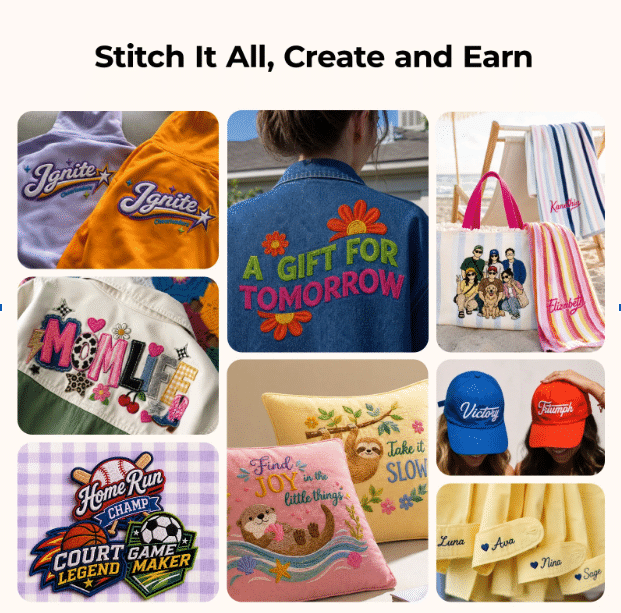
Custom clothing is an awesome method to convert basic items into personalized clothing items that represent individuality, imaginative, and personal styles. A plain shirt, sweatshirt, hat, or canvas bag can quickly turn into something unique with the right type of decor. An embroidery machine can produce precise and fine stitching that creates detailed design, a Manual Heat Press allows you to apply various types of transfers much easier, and a Glitter HTV creates a vibrant finish that is very eye-catching. Each method results in something different, giving clothing designers multiple options for producing great products for their customers, one-of-a-kind items, or a small clothing line.
Enhance Your Embroidery with an Embroidery Machine
Thread can be made to look like professional stitched work on clothes through embroidery if the right materials and settings are chosen. Embroidery machines are capable of making letters, numbers, drawings, and logos through the use of thread as a medium. Printed designs cannot rival the effect and the touch of embroidered patterns on fabric.
Determine the Best Fabrics for Embroidery to Get the Highest Quality Results
Selecting fabrics for your designs is really a part of the process of deciding what the finished product is going to look like at first glance. Cotton, denim, canvas, and various kinds of polyester are all suitable for embroidery, yet it goes without saying that they all may require different settings and stabilizers to avoid ruining embroidery in the process of machine stitch application. Lightweight textiles tend to wrinkle or stretch when they are being embroidered so they usually need additional support. Fabrics that are quite thick can require not only an appropriate needle but also a suitable type of thread to avoid thread breakage.
Remember to Mirror the Design
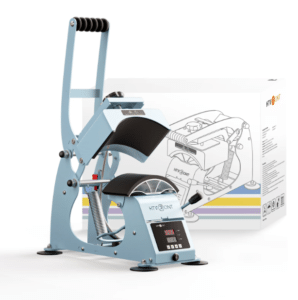
Manual Heat Press: We often have to mirror heat transfer vinyl designs to avoid backward lettering, especially if it’s names, words, and numbers. We do that because the material is laid down on the cutting machine face down which means that the artwork will come out backwards unless we mirror it. If you miss this step, lettering will be backward and material will be wasted. Therefore, you should preview your design after mirroring to make sure that it’s all set before the machine starts cutting.
Weed the Extra Vinyl Carefully
Glitter heat-transfer vinyl removal is the same as regular heat-transfer vinyl. When using glitter vinyl, it is more likely to be thicker than regular vinyl so you should have more patience. The key here is the tool to remove the extra one. Try not to damage the small parts of the main shape by lifting those off the surface. This operation will be simpler with the right light. Be gentle instead of ripping the big parts of vinyl away, as it may damage the final work.
Discover New Decor Techniques
Fashion design, or decorating garments to be more precise really, never stops evolving with the new availability of textiles, technologies, and fashion styles. Hands-on experimentation with different types of fabrics and transfer mediums could give you a clue of which is the best combination and so you could be more sure. In addition, studying various alphabetic writing styles, palettes, and layout ideas is a good way to get a stronger visual sense and creativity. Take the records of your good-looking results or photograph your samples for your archives in order to repeat them later. It is more encouraging to tackle big projects and feel confident when you have built up little ones.
Conclusion
Besides embroidery needlework, you have the Manual Heat Presser to get the transfer applied, a few Glitter vinyl pieces to make the garments glitter, and that’s the way of personalizing clothing. The embroidered stitch work gives extra touch with the raised and detailed work whereas the heat press method is simple and practical in transferring design onto clothes. On the other hand, the glitter vinyl adds a really shiny and bright element to the garment surface. With appropriate material choice, meticulous design preparation and thorough finished product check, anyone can create appealing clothing for themselves as well as sale purposes. The topmost quality outcome will definitely be the result of deep thinking, continuous learning and close looking for fine details.
FAQs
Can new artists use a Manual Heat Presser?
Yes. An artist new to the heat transfer method would not be hindered from using the manual heat press for a while after acquiring knowledge on how to adjust correctly, the temperature level, the pressure, and the time of the transferring. A new beginner is advised to take baby steps with a simple design or two first before getting to the more complex work.
What is a Glitter Heat Transfer Vinyl?
A Glitter Heat Transfer Vinyl is a kind of Heat Transfer Vinyl with an attractive glittery surface.
This can be cut in a desired shape to make a design and be heat-pressed on to a compatible material with the manufacturer’s recommended time, temperature, and pressure.
