

Florida’s tropical climate brings warm weather and beautiful beaches. The same climate also creates high humidity levels throughout the year. Many homeowners do not realize their indoor air contains too much moisture. Excess humidity affects comfort and can damage a home’s structure. It can also create health problems for the people who live there. Recognizing the signs of a humidity problem allows you to take action before serious issues develop.
Sticky Air and Musty Odors
The most obvious sign of high humidity is the way the air feels inside the house. Air that feels heavy or sticky usually contains too much moisture. Musty smells often accompany this sticky feeling. These odors come from mold and mildew growth in hidden areas. The growth begins when Florida humidity levels stay elevated for long periods. People often notice these smells near windows, in closets, or around bathrooms. The smell may get worse after rain showers or during the hottest parts of summer. Ignoring these odors allows mold to spread to more areas of the home.
Condensation on Windows and Walls
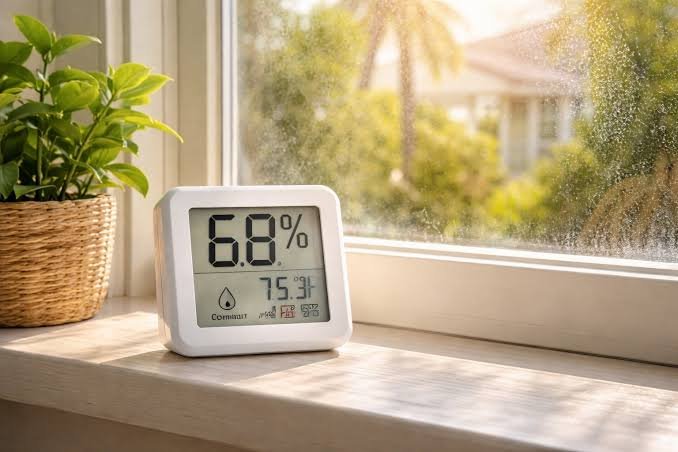
Water droplets on windows indicate a humidity problem in most Florida homes. This condensation happens when warm, moist air touches cooler glass surfaces. The moisture collects on the glass and can drip onto window sills. Over time, this water causes paint to peel and wood to rot. Condensation can also appear on walls, especially in corners or along exterior walls. Some homeowners mistake this for a leaky roof or plumbing issue. The problem usually stems from high indoor humidity rather than external sources. Proper ventilation and humidity control reduce this condensation significantly.
Warped Wood and Peeling Paint
Wood absorbs moisture from the air and changes shape as a result. Floors may buckle, and doors can stick in their frames. Cabinet doors might not close properly due to swelling. Furniture legs can become loose or wobbly from moisture exposure. Paint and wallpaper also show signs of humidity damage. Bubbles or peeling areas often appear on walls and ceilings. These problems worsen over time without proper intervention. Wood damage costs thousands of dollars to repair or replace. Addressing humidity issues prevents these costly repairs from becoming necessary.
Health Symptoms and Allergy Flare-Ups
High humidity creates the perfect environment for dust mites and mold spores. These allergens circulate through the air and trigger reactions in sensitive people. Residents may experience sneezing, coughing, or scratchy throats more frequently. Asthma symptoms often worsen in humid conditions. Some people develop headaches or feel unusually tired. These symptoms improve when they leave the house. The problem affects children and elderly family members most severely. Mold exposure can cause serious respiratory problems in some individuals. Taking action protects the health of everyone in the household.
How Professionals in Florida Solve Humidity Problems
Experts begin with a thorough inspection of the entire home. They measure moisture levels in different rooms using specialized equipment. These professionals check the HVAC system for proper operation. They examine ductwork for leaks that allow moist air to enter. Technicians also inspect crawl spaces and attics for moisture problems. The inspection reveals the source of excess humidity. Many homes need a whole-house dehumidifier installed. These systems remove excess moisture from the air efficiently. Professionals recommend proper ventilation in kitchens and bathrooms.
Homeowners face real challenges with Florida humidity levels throughout the year. The signs of a problem often appear gradually and get worse over time. Recognizing these indicators early prevents damage and health issues. Professional assessment provides the best path toward effective solutions. The investment in professional humidity control pays off through fewer repairs and better health outcomes.
