

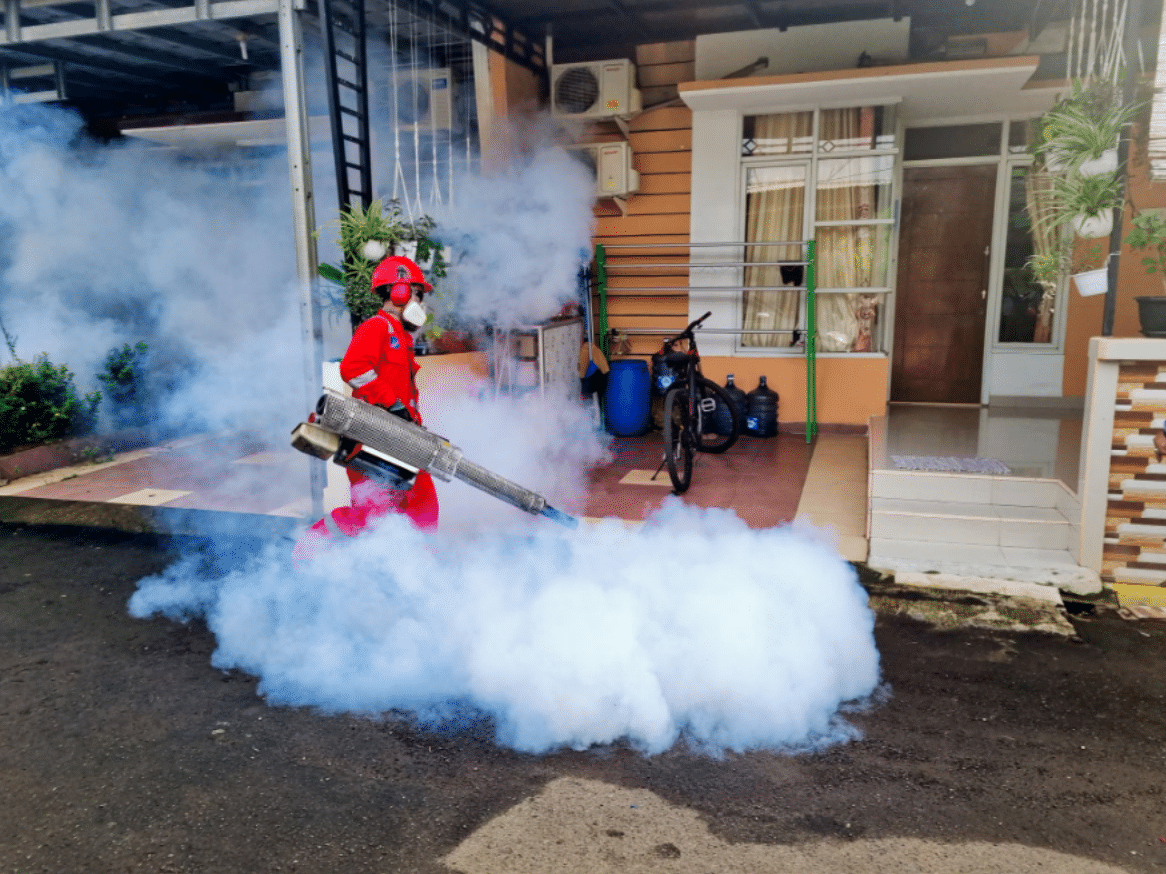
Meridian sits right in the middle of Idaho’s Treasure Valley, and that means homeowners deal with a full rotation of pests depending on the time of year. Hot, dry summer conditions can increase activity from some ants and stinging insects, while cooler fall weather may encourage rodents and some spiders to seek shelter indoors. Without a plan built around these shifts, it is easy to fall behind and end up dealing with a good program that anticipates what each season brings and treats them before they become a bigger issue.
That is really the core value of professional pest control in Meridian. Rather than reacting after pests have already settled in, a good program anticipates what each season brings and treats them before they become a bigger issue.
Here is a closer look at what changes throughout the year and how ongoing pest management keeps a home protected no matter the season.
1. Spring Brings Ants And Early Season Insects Indoors
As temperatures begin to rise during the early spring period, ant colonies that have been inactive during the winter become active once again. Some of the common types of ants in the Treasure Valley include pavement ants, odorous house ants, and carpenter ants, all of which are known to emerge from their hibernation during the spring period. Additionally, spider and early wasp populations also emerge at this time of the year, mostly setting up their small nests around eaves and doorways without being detected.
Spring can be a useful time to inspect emerging pest activity and address conditions that may contribute to larger problems later in the year. Scheduling pest control in Meridian early in the spring will make all the difference compared to waiting until pest activity becomes more pronounced inside your home. By treating areas near the foundation and other pest entry points, you will ensure these colonies do not grow large enough by summer.

2. Summer Activity Peaks With Wasps And Mosquitoes
Summer can bring increased activity from several common household pests in Meridian. Longer days and consistent heat create ideal conditions for wasps, hornets, and mosquitoes, all of which become more aggressive as their colonies grow throughout the season. Ants that started small in spring often reach full strength by midsummer, making outdoor spaces like patios and play areas far less enjoyable.
This is also the season when stinging insects pose the most risk, since nests tend to be at their largest and most defensive by late summer. Regular outdoor treatments during this stretch keep yards usable and reduce the odds of anyone getting stung while doing something as simple as mowing the lawn or hosting friends outdoors to watch the Detroit Lions on a Sunday afternoon.
3. Fall Temperatures Push Rodents And Spiders Inside
After nighttime temperatures cool down, it is natural for mice to start looking for cozy and warm spots to spend their winter, and one of those spots is your home. Rodents can enter homes that have gaps even as narrow as a quarter of an inch, making the fact that your house may be very well built no guarantee at all.
There is actually a serious risk beyond the nuisance that comes with rodents in your home. The CDC warns that rodents can carry hantavirus, which is transmitted by exposure to rodent droppings, urine, and nests. This makes it necessary for you to perform a fall rodent exclusion, not just to ensure your comfort but also to keep you safe.

4. Winter Still Requires Pest Prevention
It is tempting to assume pest control matters less once winter sets in, but that is not really accurate. Pests that made it indoors during the fall often remain active through the colder months, simply relocating to wall voids, attics, or crawl spaces where conditions remain warmer. Rodents, in particular, can continue reproducing indoors throughout winter if not addressed early.
Termites also remain a year-round concern in the region, regardless of outdoor temperature, since colonies operate underground or within structural wood where conditions stay stable. The National Pest Management Association estimates that termites cause more than five billion dollars in property damage across the country every year, much of which goes unnoticed until the damage is already extensive. Winter inspections help catch these hidden problems before spring arrives and activity picks back up.
5. Year-Round Pest Management Adapts to Seasonal Activity
Taking care of a single pest for one season does not completely solve the problem, as pest pressure in Meridian varies by season. It means that even though one may treat the house against ants in spring, they will be vulnerable in the fall due to the absence of rodent treatment. That is why most effective pest control solutions in Meridian are based on a seasonal approach rather than a one-time visit.
This approach is typically based on exterior treatments at a specific time of year when pests are active; interior inspections for early signs of rodents or spiders; and exclusion services to seal access points to pests. The best pest control services design their residential pest control programs according to this approach and adjust their treatments with the seasons, rather than using the same program at every visit. This treatment approach helps protect against seasonal pests.

Bottom Line
Meridian’s seasonal shifts mean different pests take center stage throughout the year, from spring ants to summer wasps to fall rodents and winter’s hidden termite activity. Trying to handle each of these separately, or only calling for help once a problem is already visible, tends to cost more time and money than staying ahead of it. A consistent, season-aware pest control plan addresses each stage before it becomes a larger infestation, keeping homes protected no matter the time of year.
