

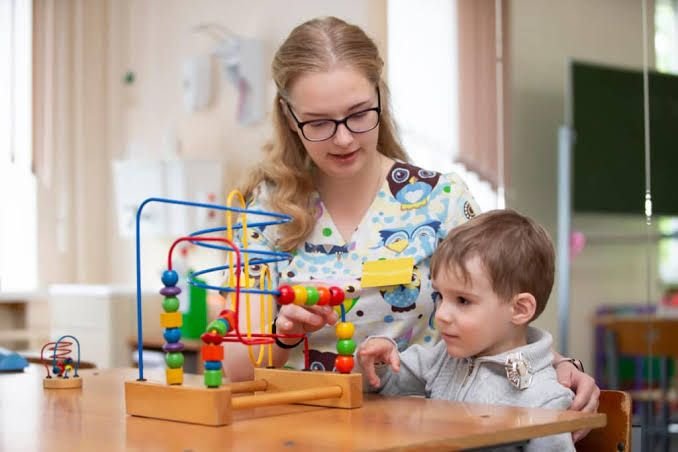
Children’s occupational therapy reaches beyond handwriting, scissors, and dressing. It addresses how a child processes sensory input, manages emotions, organizes movement, and joins daily activities. A therapist studies the demands behind a difficult task, then teaches skills or changes the environment. This work supports participation at home, school, and in the community. The areas below show what skilled pediatric occupational therapy examines beyond basic motor practice and why those areas matter.
Families often seek therapy when ordinary routines become tiring, slow, or stressful for a child. A childrens occupational therapist examines the child’s performance during real tasks, such as opening containers, following classroom directions, or tolerating a noisy room. The goal is practical participation, with strategies that fit the child’s age, abilities, and daily settings.
Sensory Processing and Emotional Regulation
Sensory processing involves how the nervous system notices and responds to sound, touch, movement, light, smells, and body position. A child who becomes distressed in a crowded room needs graded exposure, movement breaks, or a quieter workspace. The therapist also teaches body awareness and calming actions before distress disrupts play or learning.
Emotional regulation requires more than telling a child to calm down. Therapy teaches the child to notice physical signals, name an emotion, choose a response, and recover after frustration. Activities include heavy work, breathing practice, visual routines, or role play. Parents receive language and steps they can repeat across settings.
Self-Care and Daily Routines
Occupational therapy breaks self-care into manageable actions. A therapist examines dressing, buttoning, tooth brushing, bathing, toileting, and utensil use. The child practices one part at a time, while the therapist adjusts clothing fasteners, seating, tools, or instructions. This approach builds independence without making the routine feel like a test.
Daily routines also depend on planning and sequencing. A child knows each step but loses track when the order changes. Visual schedules, first-then language, timers, and repeated practice make expectations easier to follow. The therapist observes the routine, identifies the breakdown point, and teaches a practical adjustment.
School Participation and Handwriting
School participation depends on more than academic knowledge. Children need to sit with a stable posture, hold materials, shift attention, and manage classroom tools. Occupational therapy addresses pencil grip, letter formation, cutting, copying, and written output. A therapist can change paper position, pencil type, desk setup, or task length.
Handwriting becomes easier when the hand, eyes, posture, and attention work together. Therapy strengthens fine motor control through drawing, building, fastening, and controlled placement tasks. The therapist tracks legibility, speed, fatigue, and the child’s ability to copy from a board or worksheet.
Feeding and Oral-Motor Routines
Feeding therapy addresses more than picky eating. The therapist reviews chewing, swallowing, utensil control, seating, food textures, and mealtime behavior. Treatment introduces manageable changes while respecting safety and the child’s developmental skills. A family learns how to present food, support posture, and reduce pressure during meals.
Some children avoid foods because of texture, smell, temperature, or a difficult eating history. Others struggle to coordinate chewing and breathing or remain seated long enough to eat. Occupational therapy examines these patterns and sets functional goals, such as accepting a texture, using a spoon, or staying regulated at the table.
Social Participation and Transitions
Play gives children practice with turn-taking, sharing, imitation, and flexible responses. An occupational therapist structures games that build joint attention, motor planning, and communication. The child learns to wait, ask for help, change plans, and stay engaged when another child leads.
Transitions become easier when children know what will happen next. Therapy uses visual cues, countdowns, rehearsal, and movement activities to prepare for changes between tasks. A therapist also examines sleep, fatigue, hunger, and sensory load because those factors affect attention and behavior. Families can use the same cues before leaving home or entering school.
Evaluation and Carryover
An evaluation connects observed skills with family priorities. The therapist records strengths, barriers, and measurable goals, then reviews progress through daily performance over time. Parent input helps keep therapy practical between sessions and across settings.
Conclusion
Children’s occupational therapy addresses the skills that let a child participate, communicate, and manage daily demands. A useful next step is to list two routines that cause repeated difficulty, such as morning dressing or classroom writing. Families can share those examples during an evaluation and ask how progress will be measured. Clear goals connect therapy activities with practical changes at home, school, and community settings in the weeks ahead.
