

Most people treat their health the way they treat a car. They pay attention when something makes a strange noise, and they ignore it completely when everything feels fine. That approach works right up until it doesn’t. A surprising number of routine checkups get pushed back year after year, not because people stop caring, but because nothing hurts yet and the calendar is already full. Residents of Longmont run into the same pattern as everyone else, booking an appointment only once a small issue has grown into an uncomfortable one. The checkups below are the ones that slip through the cracks most often, and every one of them is easier to keep up with than to catch up on.
The Checkups That Get Postponed the Longest
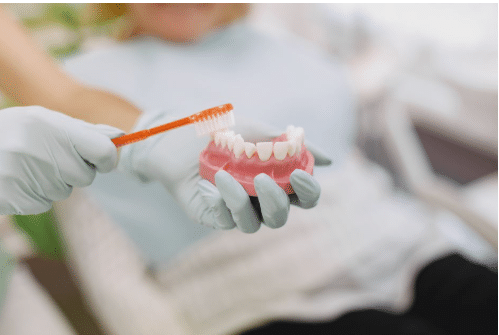
Of all the appointments people put off, the ones tied to the mouth sit firmly at the top of the list. Plenty of adults go years without seeing a dentist, usually because nothing feels wrong, and by the time real pain arrives, what would have been a quick fix has become a long and costly one. Regular oral care catches decay, gum trouble, and worn enamel while each is still small enough to handle in a single visit. If you’re also looking for a qualified dentist Longmont has excellent facilities and professionals ready to help you. Keeping that appointment is one of the few health decisions that pays off twice, once in day to day comfort and again in the expense you never have to face.
Why Small Problems Stay Quiet for So Long
The body is remarkably good at absorbing minor trouble without complaint. It adjusts, compensates, and carries on, which is useful in the short term and misleading over months. A slight change in how you chew, see, or hear rarely announces itself. Instead it becomes the new normal, and you forget there was ever a different version. This is exactly why checkups exist. They are not there to confirm that you feel fine. They are there to find the things you cannot feel yet, while the options are still simple and the treatment is still short.
Vision and Hearing Change Slowly and Quietly
Eyesight and hearing almost never fall off a cliff. They drift. You hold your phone a little farther away, you turn the volume up a notch, you ask people to repeat themselves slightly more often. None of it feels like a problem because the change happens across years rather than weeks. A proper eye exam also looks at more than how clearly you read a chart, since the back of the eye reveals a great deal about blood vessels and overall circulation. Hearing checks work the same way, picking up losses in specific ranges long before conversation becomes genuinely difficult.
The Skin Rarely Gets a Proper Look
Skin is the one organ you can inspect yourself, which is precisely why so few people ever do it properly. Most of us glance in the mirror at the parts we already know well and never examine the back, the scalp, the soles of the feet, or behind the ears. A yearly look from someone trained to spot changes takes very little time. In between visits, a simple habit helps: notice anything that changes shape, color, or size, anything that bleeds without a clear reason, and anything that refuses to heal over several weeks.
Blood Pressure Takes a Minute and Gets Skipped Anyway
Few measurements tell you more for less effort. High blood pressure produces no reliable warning signs, which is how it manages to strain the heart, kidneys, and blood vessels for years without detection. A single reading on an odd day means little, but a pattern across several readings means a great deal. Home monitors are inexpensive and easy to use, and bringing those numbers to an appointment gives a far more honest picture than one measurement taken while you are sitting in an unfamiliar room feeling slightly rushed.
What Your Body Needs Checked as the Years Pass
The list of sensible checkups is not fixed. It shifts with age, family history, and the kind of work you do. In your twenties and thirties, the focus tends to sit on baseline readings, so later changes have something to be compared against. From the forties onward, screenings for specific conditions start to matter more, and the intervals between them tighten. Anyone with a family history of a particular condition usually needs to start earlier than the general advice suggests. The practical move is to ask directly which checks apply to you, rather than assuming the standard schedule fits.
Building a Schedule You Will Actually Keep
Good intentions collapse under busy weeks, so the schedule has to be easy, or it will not survive. Pick one month a year and treat it as your health month, stacking appointments close together so the whole thing is finished in a couple of weeks. Put reminders in your phone a month ahead, not a day ahead, because that is when booking is still possible. Keep a short written record of dates and results somewhere you can find it. Memory is unreliable about these things, and a one-page record saves you from guessing how long it has really been.
Making the First Appointment Easier Than It Feels
The hardest appointment is always the one that follows a long gap. There is a quiet embarrassment in admitting how much time has passed, and that feeling keeps more people away than any fear of the examination itself. It is worth knowing that nobody on the other side of the desk is keeping score. They see long gaps constantly, and their only interest is in what the situation looks like today. Start with whichever checkup feels least intimidating, get it done, and let that one appointment carry you into the next. Momentum does more for your health record than good intentions ever will, and the first booking is the only genuinely difficult one.
