

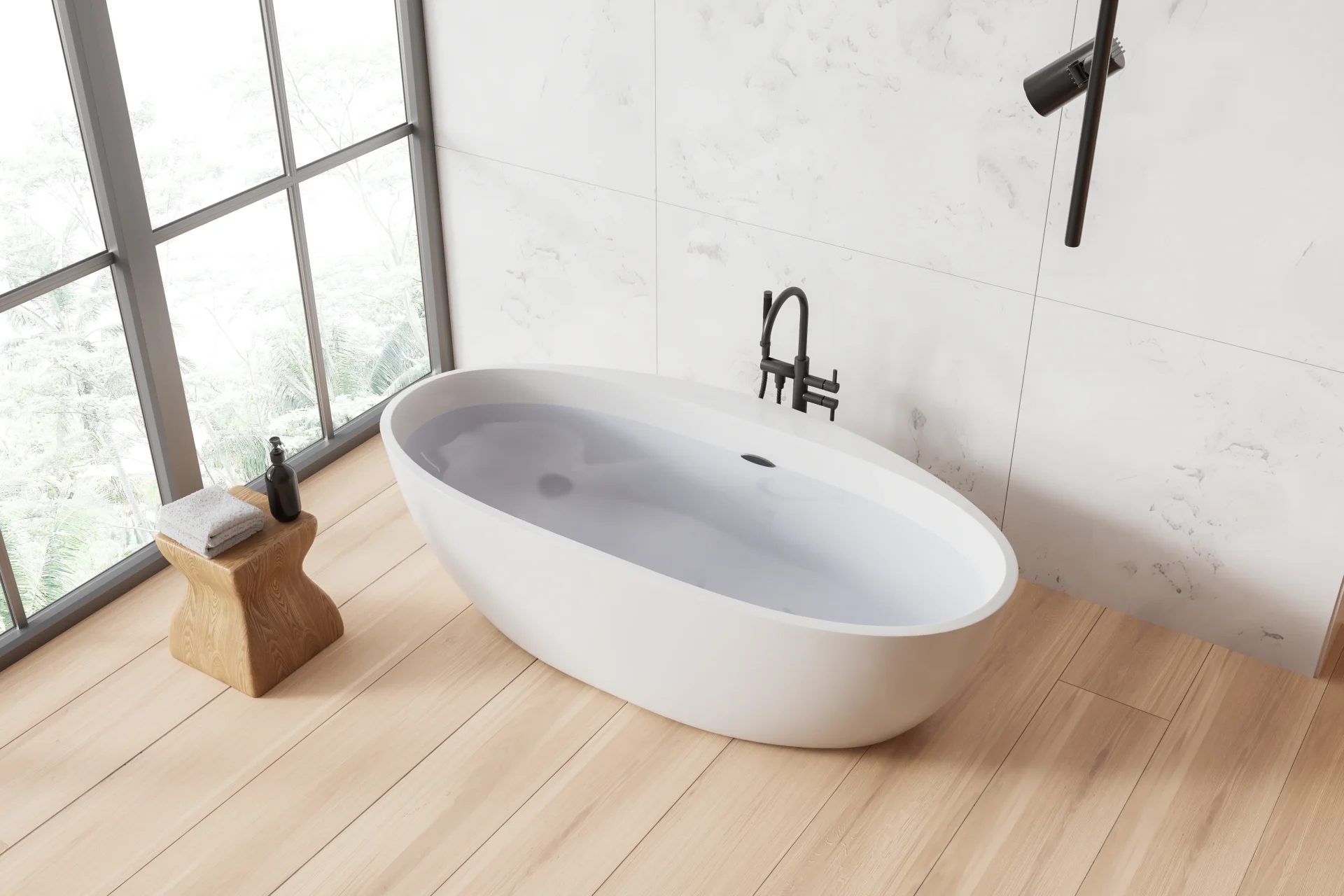
A freestanding bath has a way of stealing attention before anything else in the room has even had a chance. You can have beautiful tiles, lovely tapware and carefully chosen lighting, but the moment a sculptural bath sits in the middle of the space, or even slightly off to one side beneath a window, it tends to become the thing people notice first. That’s part of the appeal, of course, but it’s also why choosing one deserves a little more thought than simply picking the shape that looks best in a showroom photo.
A good Freestanding Bathtub selection starts with the actual bathroom you’re working with, not the bathroom you wish you had after scrolling through renovation inspiration for an hour. The right bath needs to suit the room’s size, the plumbing position, the style of the home and the way you genuinely plan to use it, because a bath that looks gorgeous but feels awkward every time you clean around it or climb in isn’t going to feel luxurious for very long.
Think About Space Before Style
The first question isn’t usually “which bath do I love?”, but “how much room can this bathroom comfortably give to a bath?” Freestanding tubs need breathing space around them, otherwise they can start to look squeezed in, which takes away the relaxed, spa-like feeling people are usually chasing in the first place. Even a beautiful bath can feel like a compromise if it leaves you shuffling sideways past the vanity or struggling to reach the floor behind it with a mop.
That doesn’t mean you need an enormous bathroom, though. Smaller freestanding tubs can work beautifully in compact spaces when the proportions are right, especially if the rest of the layout has been planned carefully. The trick is to think beyond the footprint of the tub itself and consider how the room will feel once people are actually using it.
Shape Changes the Whole Mood
Oval baths tend to feel soft and classic, which makes them a safe choice for many bathrooms, while square-edged or more architectural designs can give the room a sharper, more contemporary feel. Back-to-wall freestanding baths are also worth considering when you like the freestanding look but don’t quite have the space for a tub that sits fully away from every surface.
Comfort matters just as much as appearance. Some baths are made for long, reclined soaking, while others are more upright and compact. If you’re someone who imagines using the bath regularly, not just admiring it from the doorway, the internal shape, depth and slope of the backrest are all worth paying attention to.
Don’t Forget the Practical Details
Tapware placement can affect the entire layout, especially if you’re considering floor-mounted mixers, wall-mounted taps or a bath positioned away from existing plumbing. Cleaning also matters more than people like to admit during the dreamy planning stage. A narrow gap behind the bath may look fine on paper, but if it’s too tight to clean properly, it can become annoying very quickly.
The Best Bath Feels Like It Belongs
A freestanding bathtub should feel special, but it shouldn’t feel like it was dropped into the room just for effect. When the size, shape and placement are right, it gives the whole bathroom a calmer, more finished feeling, while still being comfortable and practical enough for everyday life. That’s the balance worth aiming for: a bath that looks beautiful, suits the space and makes sense long after the renovation glow has worn off.
