

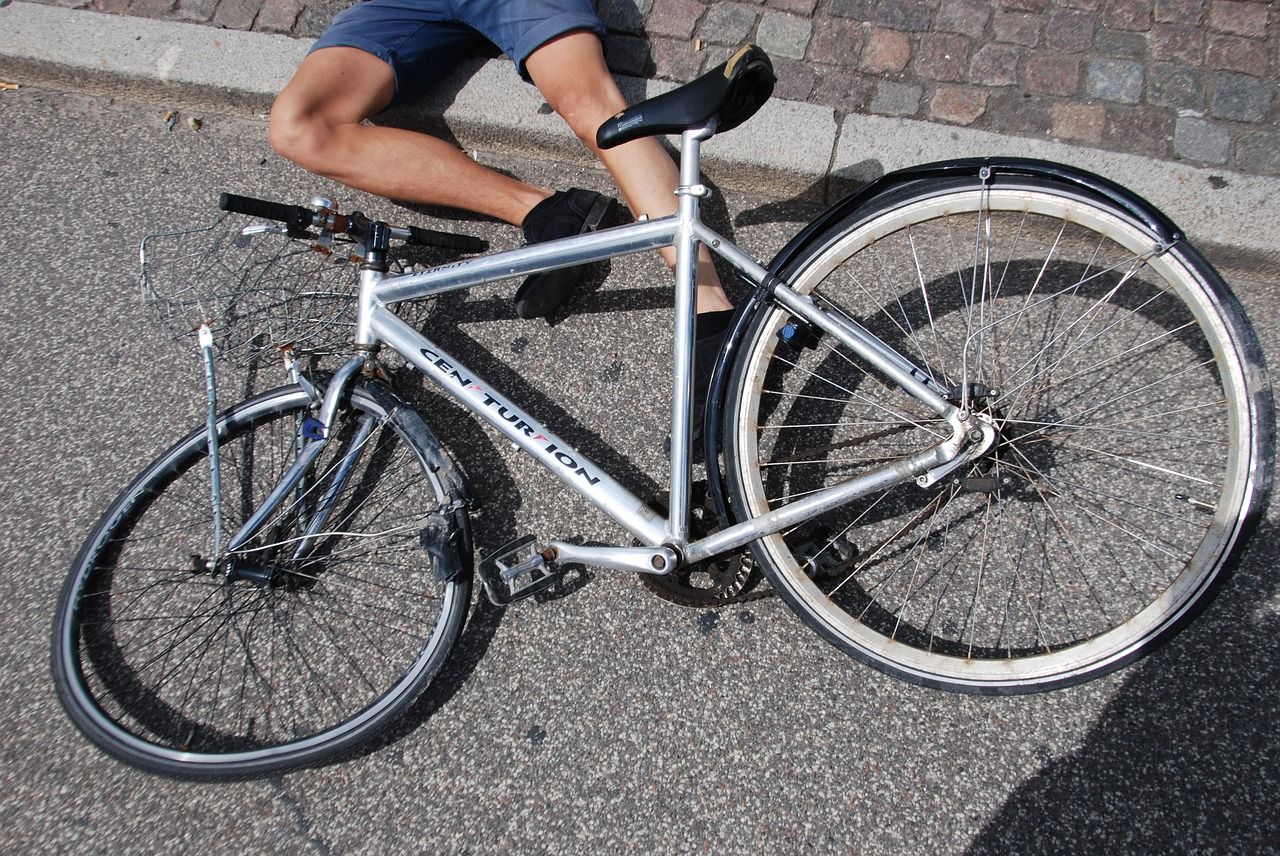
A bicycle accident can affect much more than the bike itself. Cyclists have less protection than drivers, so even a low-speed collision can lead to serious injuries, medical bills, missed work, and long-term pain. The crash may also damage the cyclist’s gear, limit their mobility, and make them feel unsafe riding again. For many riders, the loss is both physical and personal.
Compensation after a bicycle accident depends on the facts of the crash, the injuries, the available insurance, and how the accident changed the cyclist’s daily life. Some losses are easy to document, like hospital bills or bicycle repairs. Others, like fear of riding, pain during movement, or loss of independence, may take more explanation. A strong claim should show the full picture, not just the first bill that arrives.
The First Wave of Medical Costs
Medical bills are often the first major expense after a bicycle crash. A cyclist may need emergency care, X-rays, stitches, medication, orthopedic treatment, or follow-up visits. Some injuries may also require physical therapy, surgery, or specialist care. These costs can grow quickly, especially when the injured person does not recover right away.
If the crash happened because a driver failed to yield, opened a car door, passed too closely, or ignored a bike lane, a Nashville bicycle accident lawyer may help review what compensation may be available. Medical records can help connect the crash to the injuries and show why treatment was necessary. They can also help explain whether future care may be needed. This is important because a claim should not only focus on the first emergency room visit.
The Cost of Getting Back on Your Feet
Recovery after a bicycle accident can take time. A cyclist may need crutches, braces, wound care supplies, mobility aids, or help getting around. Even simple tasks like showering, cooking, climbing stairs, or driving may become difficult. These costs may not always look large by themselves, but together they can create a real burden.
Compensation may include out-of-pocket costs tied to recovery. This can include prescriptions, medical devices, transportation to appointments, parking fees, and home adjustments. If someone needs help with errands, childcare, or household tasks, those needs may also matter. The goal is to show how the injury changed daily life after the crash.
Lost Income When Riding Turns Into Resting
A bicycle crash can force someone to miss work. The injured cyclist may need time off for pain, appointments, surgery, or therapy. Some people can return quickly, while others may need weeks or months before they can safely work again. Lost wages can become a major part of the claim when the injury affects earning ability.
This is especially important for people with physical jobs. A cyclist who works in construction, healthcare, delivery, hospitality, or any job that requires standing and lifting may not be able to return right away. Even office workers may struggle with sitting, typing, focusing, or commuting. Pay stubs, tax records, employer letters, and missed work notes can help document this loss.
When the Bike and Gear Are Part of the Damage
If you have a bicycle accident claim, it can cover property damage. This may include a bent or unsafe bike, as well as damaged helmets, lights, shoes, bags, phone mounts, child seats, and safety gear. Take photos of all items before you repair or replace them.
Useful property damage records may include:
- Photos of the bicycle from several angles
- Repair estimates from a bike shop
- Receipts for the bike and damaged gear
- Photos of the helmet, lights, pedals, and wheels
- Proof of upgrades or custom parts
- Replacement costs for safety equipment
- Damage photos from the crash scene
- Insurance letters about property damage
Cyclists should not assume only the bike frame matters. Gear can be expensive, and safety equipment may need replacement after one serious impact. A cracked helmet, damaged wheel, or broken light can help show the force of the crash.
Pain That Follows the Rider Home
Pain and suffering can be part of a bicycle accident claim. This may include physical pain, discomfort, sleep problems, scarring, stiffness, headaches, or emotional distress. A cyclist may have pain while walking, sitting, lifting, exercising, or trying to ride again. These effects can last long after the visible injuries begin to heal.
This type of compensation can be harder to measure because it does not come with a simple receipt. A pain journal may help show what the cyclist experiences each day. Notes about sleep, movement, mood, missed activities, and flare-ups can make the impact clearer. Family members may also notice changes in the injured person’s routine and independence.
Losing Confidence on the Road
Many injured cyclists feel nervous about riding again. A crash can make intersections, parked cars, traffic lanes, or close-passing vehicles feel threatening. Even experienced riders may avoid routes they once used every day. This fear can affect commuting, exercise, social rides, and a person’s sense of freedom.
Emotional recovery is part of the larger impact of the crash. A cyclist may need counseling, more time before returning to the road, or changes to how they travel. Some may switch to driving, rideshare, or public transportation, which can create new costs. These changes help show that the accident affected more than the body.
Future Limits That Are Easy to Miss
Some injuries create future problems that are not obvious at first. A broken wrist may affect grip strength. A knee injury may limit climbing stairs or pedaling. A back injury may affect long rides, work tasks, and sleep. If an injury creates lasting limits, the claim should consider future care and reduced ability.
Doctors, therapists, and specialists may help explain these future effects. Their records can show whether the cyclist may need more treatment, surgery, therapy, or activity restrictions. This matters because an early settlement may not cover long-term problems. A careful review can help make sure future needs are not ignored.
The Bigger Picture After a Bicycle Crash
A bicycle accident claim should include more than just the damaged bike or initial medical bills. Real costs can involve ongoing treatment, lost wages, pain, emotional stress, changes in transportation, and future limitations. These factors affect daily activities, work, confidence, and independence.
After a crash, cyclists should keep records, take photos, follow medical advice, and track changes during recovery. Small details can explain the accident’s true impact. Compensation should reflect the entire recovery journey, not just visible damage.
