

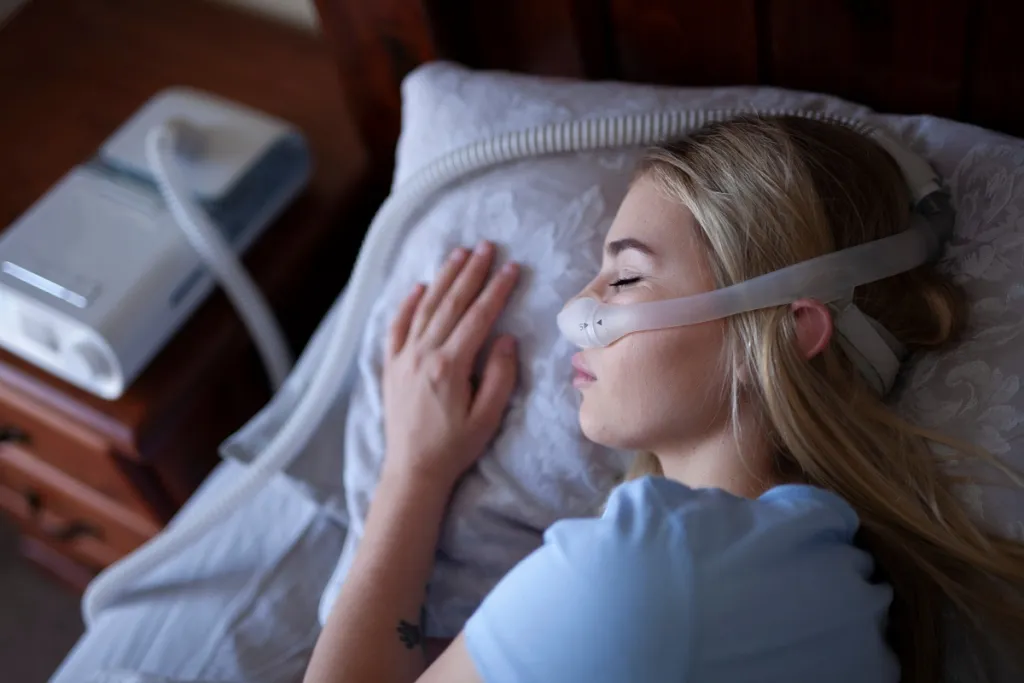
Obstructive sleep apnea is one of the most common—and most underdiagnosed—sleep disorders in Canada. It happens when the muscles at the back of the throat relax during sleep, narrowing or closing the airway and forcing the body to wake just enough to take a breath. These interruptions can occur dozens or even hundreds of times a night, robbing people of the deep, restorative sleep their bodies need. The good news is that modern therapy is highly effective, and for most patients it begins with continuous positive airway pressure devices.
What CPAP Therapy Actually Does
A CPAP device delivers a steady stream of gently pressurized air through a mask, creating an invisible “air splint” that keeps the airway open while you sleep. Because the airway no longer collapses, breathing stays steady, oxygen levels remain stable, and the brain is no longer jolted awake to restart respiration. The result is uninterrupted sleep cycles and, for many people, the first truly rested mornings they have had in years. Today’s cpap machines are quiet, compact, and far more comfortable than the bulky units of a decade ago.
The Health Benefits Go Beyond Sleep
Treating sleep apnea is about much more than feeling less tired. Untreated apnea is linked to high blood pressure, heart disease, stroke, type 2 diabetes, and daytime accidents caused by drowsiness. By keeping oxygen levels steady through the night, consistent therapy helps reduce the strain placed on the heart and cardiovascular system. Patients often report improvements that ripple through their whole lives:
- Sharper focus and memory during the day
- Lower blood pressure and reduced cardiovascular strain
- Fewer morning headaches and less daytime fatigue
- Better mood and reduced irritability
- More energy for work, family, and exercise
Adjusting to Therapy
The first few weeks are an adjustment period, and that is completely normal. Finding the right mask fit makes the single biggest difference in comfort, so it is worth trying a few styles—nasal, nasal pillow, or full-face—to see what suits your breathing and sleep position. Most newer machines include a ramp feature that starts at a low pressure and gradually increases as you fall asleep, along with built-in humidifiers that prevent the dry throat and nasal irritation some new users experience.
Getting Started the Right Way
If you suspect you have sleep apnea, the first step is a conversation with your doctor and, usually, a sleep study to confirm the diagnosis and determine the pressure setting that is right for you. From there, choosing well-supported, reliable equipment matters. Exploring a curated range of cpap machines makes it easier to match a device to your prescription, comfort needs, and lifestyle. With the right setup and a little patience, CPAP therapy can be the turning point that finally gives you—and anyone who shares your home—a full night of quiet, restful sleep.
