

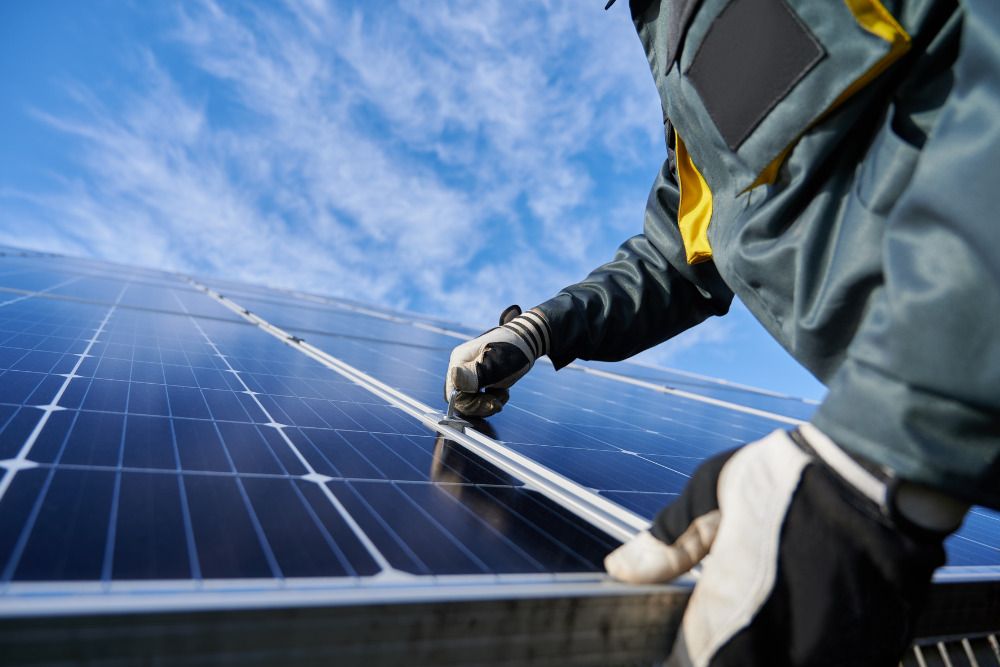
For most homeowners, going solar isn’t just another home upgrade. It’s a long-term investment in energy independence, lower utility bills, and a more sustainable future. Considering the upfront cost of solar panels, people install solar because they want reliability. They want predictability. They want peace of mind knowing their home is producing clean energy every day.
So when a system suddenly underperforms (or stops working altogether), it can feel frustrating, confusing, and expensive.
The good news is this: solar panel repair is possible in most cases. In many cases, the warning signs begin long before a total system failure occurs. With proper maintenance, timely inspections, and the help of experienced professionals, homeowners can restore performance, protect their investment, and extend the life of their system for years to come.
Whether your solar panels have stopped producing efficiently, your inverter is flashing warning lights, or your installer is no longer in business, understanding the repair process is the first step toward getting your system back on track.
Why Solar Systems Require Maintenance Over Time
One of the biggest misconceptions homeowners have is that solar systems are completely maintenance-free.
While it’s true that solar panels are designed to last for decades, they are still electrical systems exposed to constant weather, temperature fluctuations, debris, moisture, and wear. Like any major home system (HVAC, plumbing, or roofing), solar requires occasional maintenance and repairs to continue operating efficiently.
Over time, components naturally age. Connections can loosen. Inverters can fail. Monitoring systems can lose communication. Severe storms can damage panels or mounting hardware.
The important thing to understand is that most systems don’t fail overnight. Instead, they slowly lose performance over time. That gradual decline is often the first sign that something needs professional attention.
Homeowners who stay proactive typically avoid the costly repairs that happen when small issues are ignored for too long.
6 Common Signs Your Solar System May Need Repair
Recognizing the early warning signs of solar problems can save homeowners thousands of dollars and prevent extended downtime.
- Your Solar Panels Aren’t Producing Enough Power
A noticeable drop in energy production is one of the clearest indicators that your system needs attention.
Maybe your utility bill has started creeping upward. Maybe your system used to offset most of your energy costs, but now you’re pulling more electricity from the grid than usual. These changes often signal an issue somewhere within the system.
Many homeowners immediately wonder: “Do solar panels stop working?”
In reality, complete failure is rare. More commonly, systems gradually lose efficiency because of component wear, inverter issues, wiring problems, or panel-level damage.
Professional diagnostics can quickly determine whether the issue stems from panel degradation, faulty wiring, dirty panels, or another repairable problem.
- Your Monitoring App Shows Errors or Missing Data
Most modern solar systems include monitoring software that tracks energy production and system performance in real time.
If your app suddenly stops updating, displays communication errors, or reports abnormal performance, don’t ignore it.
A communication problem doesn’t always mean the system has stopped producing energy, but it often indicates a deeper issue that requires inspection.
In many cases, homeowners assume the monitoring app itself is malfunctioning when the real issue lies within the inverter, network connection, or internal system communication hardware.
Monitoring issues are among the most overlooked signs of solar system trouble, yet they can provide some of the earliest warnings that repairs are needed.
- Your Inverter Is Flashing Red or Displaying Warning Codes
If solar panels are the engine of the system, the inverter is the heart.
The inverter converts solar energy into usable electricity for your home. When it malfunctions, your entire system can appear to stop working.
Warning lights, flashing red indicators, or fault codes are all signs that professional solar repair may be necessary.
Fortunately, inverter issues are one of the most common (and most fixable), solar repair situations. In many cases, replacing or repairing the inverter can restore full system functionality quickly.
Because inverters work continuously every day, they often experience wear sooner than the panels themselves.
- Your Panels Look Damaged or Discolored
Sometimes the problem is visible from the ground.
Cracks, discoloration, burn marks, moisture intrusion, or excessive debris buildup can all indicate physical panel damage.
Severe weather events, hail, falling branches, or long-term environmental exposure can weaken solar panels over time. Even small cracks can create “hot spots” that reduce efficiency and potentially damage internal components.
Physical inspections are an essential part of solar panel maintenance because many forms of damage aren’t obvious until performance begins to suffer.
Routine inspections can help identify these issues early before they escalate into more expensive repairs.
- Your Utility Bill Suddenly Increases
Unexpected utility bill spikes are often one of the first ways homeowners discover their solar system isn’t operating properly.
If energy usage inside your home hasn’t changed but your electric bill suddenly jumps, your solar system may not be offsetting power the way it should.
This often indicates:
- Reduced panel efficiency
- Inverter failure
- Wiring problems
- Monitoring inaccuracies
- Panel-level performance issues
Many homeowners don’t realize their system has been underperforming for weeks or even months until the bill arrives.
A professional inspection can typically pinpoint the issue quickly and restore energy production before costs continue rising.
- Your Original Installer Is No Longer Around
Unfortunately, this situation has become increasingly common across the solar industry.
Many early solar companies closed their doors, leaving homeowners unsure where to turn when problems arise. This is especially true in rapidly growing solar markets where installations expanded faster than long-term service infrastructure.
The good news is that experienced solar repair specialists can often service existing systems regardless of who originally installed them.
Companies specialize in helping homeowners troubleshoot, repair, and maintain systems installed by other providers.
You are not stuck simply because your original installer disappeared.
The Most Common Solar Panel Repair Issues
After years in the solar industry, repair professionals consistently see a handful of recurring issues.
Understanding these common repair categories can help homeowners make informed decisions when problems occur.
Inverter Failures
Inverter failure is one of the leading causes of solar system downtime.
Because inverters process electricity continuously throughout the day, they naturally experience wear over time. Heat exposure, environmental conditions, and aging internal components all contribute to eventual failure.
Symptoms often include:
- Flashing warning lights
- Error codes
- Reduced energy production
- Total system shutdown
Thankfully, inverter replacement is usually straightforward when handled by experienced technicians.
Monitoring and Communication Problems
Monitoring systems allow homeowners to track solar performance in real time.
When communication systems fail, homeowners lose visibility into production levels and potential issues. While this may seem minor at first, missing monitoring data can hide larger performance problems for months.
Repairing communication hardware, network connections, or gateway devices helps restore accurate reporting and system transparency.
Wiring and Electrical Issues
Electrical connections naturally loosen and degrade over time, especially in systems exposed to constant outdoor conditions.
Faulty wiring can reduce production, create safety concerns, or trigger inverter shutdowns.
Professional solar technicians inspect:
- Wiring integrity
- Connector health
- Voltage consistency
- Electrical grounding
- Junction boxes
Electrical diagnostics are a critical part of safe and effective solar system repair.
Mounting and Racking Problems
Solar panels are only as secure as the structure supporting them.
Over time, mounting hardware can loosen, corrode, or shift due to weather and roof movement. Left unresolved, these issues can lead to water intrusion, panel misalignment, or structural instability.
Routine inspections help identify mounting concerns before they create larger roofing or system problems.
Panel-Level Damage
Individual panels can develop microcracks, hot spots, or internal connection failures that reduce overall efficiency.
These issues often require specialized testing equipment to identify accurately.
Panel-level diagnostics are especially important in systems experiencing unexplained production losses where no obvious system-wide issue exists.
What Happens During a Professional Solar Repair Visit?
Homeowners often feel uncertain about what to expect when scheduling solar repairs.
A reputable solar repair provider typically follows a structured process designed to identify problems efficiently and restore system performance safely.
Step 1: Comprehensive System Inspection
The repair process usually begins with a full inspection of the entire system, including:
- Solar panel condition
- Wiring and electrical connections
- Inverter performance
- Monitoring system functionality
- Mounting and racking hardware
This inspection creates a complete picture of system health before repairs begin.
Step 2: Diagnostic Testing
Once the inspection is complete, technicians perform detailed diagnostics to identify the root cause of the issue.
This may include:
- Voltage testing
- Thermal imaging
- Production analysis
- Communication troubleshooting
- Panel performance testing
Accurate diagnostics are critical because symptoms often point to deeper underlying problems.
Step 3: Transparent Repair Recommendations
A trustworthy repair company should clearly explain:
- What’s wrong
- Why it happened
- What needs repair
- What the repair will cost
- How long repairs will take
Homeowners should never feel pressured or left confused during this process.
Transparency builds confidence and helps homeowners make informed decisions about their system.
Step 4: Completing the Repairs
Depending on the issue, repairs may include:
- Inverter replacement
- Wiring repairs
- Panel cleaning or replacement
- Monitoring system restoration
- Mounting hardware adjustments
- Electrical corrections
Experienced technicians work carefully to restore both safety and performance.
Step 5: Final Testing and Optimization
After repairs are complete, the system should be fully tested and optimized to confirm proper operation.
This final step ensures:
- Energy production has returned
- Monitoring systems are functioning
- Electrical systems are stable
- The homeowner understands system performance
Optimization is essential for ensuring long-term reliability after repairs are completed.
How Homeowners Can Prevent Major Solar Repairs
Preventive maintenance plays a huge role in protecting a solar investment.
Homeowners can reduce the risk of expensive repairs by following a few simple practices:
- Monitor system performance regularly
- Watch for warning lights or alerts
- Keep panels reasonably clean
- Trim nearby trees when necessary
- Schedule professional inspections periodically
- Address small performance drops early
Small problems become large problems when ignored.
Routine inspections can often identify issues long before they affect energy savings significantly.
Why Timely Solar Repairs Matter
One of the biggest mistakes homeowners make is waiting too long to address performance issues.
Minor warning signs often turn into major repair situations when left unresolved.
Timely repairs help:
- Protect long-term energy savings
- Extend system lifespan
- Prevent further component damage
- Maintain home energy efficiency
- Preserve return on investment
Solar systems are designed to provide decades of value—but only when properly maintained.
Ignoring performance issues can dramatically shorten system lifespan and reduce the financial benefits solar was intended to provide.
Choosing the Right Solar Repair Partner
Not all solar repair companies are created equal.
Homeowners should look for providers with:
- Strong diagnostic experience
- Transparent communication
- Proven repair expertise
- Ongoing maintenance support
- Experience servicing systems installed by other companies
A knowledgeable repair partner doesn’t just fix problems. They help homeowners better understand and manage their system moving forward.
Restore Your Solar System With Confidence
If your solar system isn’t performing the way it should, don’t wait for the problem to get worse.
Whether you’re dealing with declining energy production, inverter issues, communication failures, storm damage, or a system installed by a company that no longer exists, professional help is available.
Working with experienced professionals can restore your system’s efficiency, protect your investment, and help you regain confidence in your solar energy system.
At the end of the day, solar is about more than panels on a roof. It’s about stability, sustainability, energy independence, and peace of mind.
And when your system needs attention, the right repair team can help ensure it continues delivering value for many years to come.
