
Close Menu
CEOColumnCEOColumn
    What's Hot

    Understanding Modified Comparative Negligence in Personal Injury Claims

    September 22, 2026

    Mastering Precise Reconstitution: How to Standardize Your Research Calculations

    September 22, 2026

    When Does a Growing Business Need More Than a Bookkeeper?

    September 21, 2026
    Facebook X (Twitter) Instagram
    Facebook X (Twitter) Instagram
    CEOColumnCEOColumn
    Subscribe
    • Home
    • News
    • BLOGS
      1. Health
      2. Lifestyle
      3. Travel
      4. Tips & guide
      5. View All

      The History of Medication-Assisted Treatment: From Methadone Clinics to Digital Recovery Tools

      September 19, 2026

      Why Skin Loses Firmness After 30 (And What the Science Actually Says)

      September 19, 2026

      What Compensation Can Victims Recover For Hospital Negligence In Pittsburgh?

      September 17, 2026

      International Certification in Surgical Proctology and High Standards of Care

      September 16, 2026

      How to Choose Red Wedding Flowers That Actually Match Your Venue

      September 19, 2026

      How to Help Your Older Parents Without Feeling Overwhelmed

      September 10, 2026

      Planning a Ceremony with Coastal Views in Sydney

      September 9, 2026

      5 Reasons Professional Care Can Give Families Peace of Mind

      August 20, 2026

      Flying from the US to Guadalajara: what to see and do in Mexico’s cultural capital

      September 2, 2026

      Black Friday travel deals: How to plan a trip around the sale window

      September 2, 2026

      Mitigating the Hidden Costs of Establishing a Manufacturing Facility in India

      August 31, 2026

      Why Successful Entrepreneurs Are Trading Luxury Hotels for the Australian Outback

      August 21, 2026

      Turning Anger Into A Boundary Statement

      September 11, 2026

      4 Strategies for Faster Trial Prep Without Loosing Accuracy

      August 27, 2026

      How Teletherapy Fits Into the Busy Lifestyle of Modern Texas Families

      August 22, 2026

      How to Identify Your Face Shape Online

      August 21, 2026

      Mastering Precise Reconstitution: How to Standardize Your Research Calculations

      September 22, 2026

      A CEO’s Guide to Cutting Fuel Haul Costs With Transportation Management Technology

      September 21, 2026

      Best Data Science Course in Hyderabad with Placement Assistance: Your Fast-Track to High-Growth AI Careers

      September 21, 2026

      How Quebec Businesses Can Build a Practical Law 25 Compliance Program

      September 20, 2026
    • BUSINESS
      • OFFLINE BUSINESS
      • ONLINE BUSINESS
    • PROFILES
      • ENTREPRENEUR
      • HIGHEST PAID
      • RICHEST
      • WOMEN ENTREPRENEURS
    • Audit
    CEOColumnCEOColumn
    Home»Health»Root Canal Treatment Explained: Step‑by‑Step Guide for First‑Time Patients

    Root Canal Treatment Explained: Step‑by‑Step Guide for First‑Time Patients

    OliviaBy OliviaApril 6, 2026Updated:April 7, 2026No Comments5 Mins Read

    If you’ve never had a root canal treatment, the thought alone can feel intimidating. Many people imagine pain, discomfort, or a lengthy procedure. The truth is, modern dentistry has transformed root canal treatment into a safe, effective, and often pain-free solution for saving your natural tooth. This step-by-step guide is designed for first-time patients, helping you understand the process, what to expect, and why it’s worth considering when dealing with tooth infection or severe decay.

    Table of Contents

    Toggle
    • What Is a Root Canal?
      • Benefits of Root Canal Treatment
    • Step 1: Initial Consultation and Diagnosis
    • Step 2: Numbing the Area
    • Step 3: Removing the Infected Pulp
    • Step 4: Cleaning and Shaping the Root Canals
    • Step 5: Filling the Canals
    • Step 6: Restoring the Tooth
    • What to Expect After Treatment
      • Common Post-Treatment Tips
    • Debunking Common Myths
    • Why Early Intervention Matters
    • Your First Root Canal: What You Need to Know
    • Friendly Advice for First-Time Patients
    • FAQs About Root Canal Treatment
      • 1. How long does a root canal take?
      • 2. Will I need a crown after a root canal?
      • 3. Is root canal treatment safe?
      • 4. Can I eat normally after a root canal?
      • 5. How long does a treated tooth last?

    What Is a Root Canal?

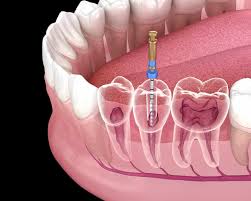
    A root canal is a dental procedure used to treat infection or inflammation in the soft tissue inside your tooth, known as the pulp. This pulp contains nerves, blood vessels, and connective tissue. When the pulp becomes infected due to deep cavities, cracks, trauma, or repeated dental procedures, it can lead to severe pain or abscesses. Root canal treatment removes the infected pulp, cleans the canals, and seals the tooth to prevent further issues.

    Benefits of Root Canal Treatment

    • Preserves Your Tooth: Saves the natural tooth, preventing extraction and maintaining your bite alignment.
    • Relieves Pain: Eliminates the source of infection, reducing discomfort almost immediately.
    • Prevents Spread of Infection: Stops bacteria from reaching surrounding teeth and gums.
    • Restores Function: Lets you chew, speak, and smile normally after the procedure.
    • Enhances Appearance: Post-treatment crowns restore the tooth’s natural look.

    Step 1: Initial Consultation and Diagnosis

    The first step involves visiting your dentist for a thorough examination. They may:

    • Take X-rays to assess the shape of your root canals and detect infection.
    • Ask about your symptoms, including pain, swelling, or sensitivity.
    • Discuss treatment options and answer your questions.

    Step 2: Numbing the Area

    Local anesthesia is applied to ensure the procedure is comfortable and pain-free. Many patients report that the numbing process is the most noticeable sensation, with the procedure itself being relatively painless.

    Step 3: Removing the Infected Pulp

    Once the area is numb, the dentist creates an opening in the tooth to access the pulp chamber. Using specialized instruments, they carefully remove the infected or inflamed tissue, eliminating the source of pain and infection.

    Step 4: Cleaning and Shaping the Root Canals

    After removing the pulp, the dentist cleans and shapes the root canals to prepare them for filling. This step is crucial for preventing future infection. The canals are meticulously disinfected, often using antimicrobial solutions.

    Step 5: Filling the Canals

    The cleaned canals are filled with a biocompatible material called gutta-percha. This material seals the canals and prevents bacteria from entering. In some cases, a temporary filling may be placed until a permanent restoration is applied.

    Step 6: Restoring the Tooth

    The final step is restoring the tooth’s structure and function. Most patients receive a crown to protect the treated tooth and ensure it functions like a natural tooth. This step also improves aesthetics, so your smile looks seamless.

    What to Expect After Treatment

    After a root canal, some soreness or sensitivity is normal for a few days. Over-the-counter pain relievers usually manage discomfort. Maintaining good oral hygiene, including brushing, flossing, and regular dental check-ups, helps ensure long-term success.

    Common Post-Treatment Tips

    • Avoid chewing hard foods on the treated tooth until the permanent restoration is placed.
    • Use a soft-bristled toothbrush and avoid aggressive brushing.
    • Monitor for swelling or unusual pain, which may indicate a complication and require follow-up.

    Debunking Common Myths

    Many misconceptions make root canals seem scarier than they are. Here’s the truth:

    • Myth: Root canals are extremely painful.
      Fact: Modern anesthesia and techniques make the procedure comfortable.
    • Myth: Extraction is better than a root canal.
      Fact: Preserving your natural tooth is generally better for oral health.
    • Myth: Recovery takes weeks.
      Fact: Most patients resume normal activities within a day or two.

    Why Early Intervention Matters

    Delaying treatment can lead to worsened infection, abscess formation, and eventual tooth loss. Early intervention saves you from prolonged pain, reduces treatment complexity, and often lowers costs. Trusted clinics like Nuffield Dental combine expert knowledge, modern technology, and patient-focused care to ensure a smooth, effective root canal experience.

    Your First Root Canal: What You Need to Know

    Knowing what to expect can reduce anxiety:

    • The procedure is typically completed in one or two sessions.
    • Local anesthesia ensures comfort throughout.
    • Post-procedure pain is mild and manageable.
    • Proper restoration ensures the treated tooth lasts for years.

    Friendly Advice for First-Time Patients

    Consider bringing headphones or a stress-relief item to your appointment to help you relax. Ask your dentist any questions, no matter how small—they’re there to make the experience as smooth as possible. Remember, saving your natural tooth is a valuable investment in your long-term oral health.

    FAQs About Root Canal Treatment

    1. How long does a root canal take?

    Most treatments take 60–90 minutes, depending on the complexity of the tooth and the infection.

    2. Will I need a crown after a root canal?

    Yes, most treated teeth require a crown to restore strength, function, and appearance.

    3. Is root canal treatment safe?

    Absolutely. It’s a common, safe procedure performed by trained dental professionals.

    4. Can I eat normally after a root canal?

    Once anesthesia wears off, you can eat normally. Avoid hard or sticky foods until the crown is placed.

    5. How long does a treated tooth last?

    With proper care, a root canal-treated tooth can last a lifetime. Regular dental check-ups and good oral hygiene are essential.

    Share. Facebook Twitter Pinterest LinkedIn Tumblr Telegram Email
    Previous ArticleWhy You Must Think About Company Culture When Moving Offices
    Next Article Why Are Revenue Operations Teams Drowning in ‘Actionable Insights’ That Nobody Acts On?
    Olivia

    Olivia is a contributing writer at CEOColumn.com, where she explores leadership strategies, business innovation, and entrepreneurial insights shaping today’s corporate world. With a background in business journalism and a passion for executive storytelling, Olivia delivers sharp, thought-provoking content that inspires CEOs, founders, and aspiring leaders alike. When she’s not writing, Olivia enjoys analyzing emerging business trends and mentoring young professionals in the startup ecosystem.

    Related Posts

    The History of Medication-Assisted Treatment: From Methadone Clinics to Digital Recovery Tools

    September 19, 2026

    Why Skin Loses Firmness After 30 (And What the Science Actually Says)

    September 19, 2026

    What Compensation Can Victims Recover For Hospital Negligence In Pittsburgh?

    September 17, 2026
    Add A Comment
    Leave A Reply Cancel Reply

    You must be logged in to post a comment.

    Latest Posts

    Understanding Modified Comparative Negligence in Personal Injury Claims

    September 22, 2026

    Mastering Precise Reconstitution: How to Standardize Your Research Calculations

    September 22, 2026

    When Does a Growing Business Need More Than a Bookkeeper?

    September 21, 2026

    A CEO’s Guide to Cutting Fuel Haul Costs With Transportation Management Technology

    September 21, 2026

    How to Choose the Right Steel Grade for Laser Cutting, and Why Tibnor Stocks Matter

    September 21, 2026

    Best Data Science Course in Hyderabad with Placement Assistance: Your Fast-Track to High-Growth AI Careers

    September 21, 2026

    11 Top Custom Products Business Ideas for Etsy and Shopify You Can Try

    September 20, 2026

    How to Choose a Regulated Forex Broker in Indonesia

    September 20, 2026

    How Quebec Businesses Can Build a Practical Law 25 Compliance Program

    September 20, 2026

    Your Essential Guide to Shopping Lab Grown Diamond Rings

    September 20, 2026
    Recent Posts
    • Understanding Modified Comparative Negligence in Personal Injury Claims September 22, 2026
    • Mastering Precise Reconstitution: How to Standardize Your Research Calculations September 22, 2026
    • When Does a Growing Business Need More Than a Bookkeeper? September 21, 2026
    • A CEO’s Guide to Cutting Fuel Haul Costs With Transportation Management Technology September 21, 2026
    • How to Choose the Right Steel Grade for Laser Cutting, and Why Tibnor Stocks Matter September 21, 2026

    Your source for the serious news. CEO Column - We Talk Money, Business & Entrepreneurship. Visit our main page for more demos.

    We're social. Connect with us:
    |
    Email: Support@gposting.com

    Facebook X (Twitter) Instagram Pinterest LinkedIn WhatsApp
    Top Insights

    Understanding Modified Comparative Negligence in Personal Injury Claims

    September 22, 2026

    Mastering Precise Reconstitution: How to Standardize Your Research Calculations

    September 22, 2026

    When Does a Growing Business Need More Than a Bookkeeper?

    September 21, 2026
    © Copyright 2025, All Rights Reserved
    • Home
    • Pricacy Policy
    • Contact Us

    Type above and press Enter to search. Press Esc to cancel.