

The transition from renting to owning a home is a milestone that comes with a sudden realization: there is no longer a landlord to call when a cabinet door sags or a deck board begins to rot. That first trip to the hardware store can be overwhelming. Rows of gleaming drills, saws, and impact drivers look impressive, but for a beginner, it is difficult to distinguish between a “nice-to-have” and an absolute necessity.
Building a reliable tool kit isn’t about buying everything at once. It’s about investing in a versatile ecosystem of equipment that grows with your DIY skills. If you are looking for cordless reliability, many homeowners start their journey with greenworks because their battery platforms allow you to swap one power source across dozens of different workshop and garden tools. This cross-compatibility is the secret to maintaining a lean, efficient garage without a tangled mess of different chargers.
In this guide, we will break down the fundamental power tools every new homeowner needs to handle 90% of common household tasks, from hanging heavy mirrors to building a custom workbench.
Why Starting with a Battery Platform Matters
Before buying your first tool, you need to think about the “battery tax.” Most modern power tools are cordless, relying on lithium-ion batteries. Manufacturers design these batteries to be proprietary. Once you buy a specific brand’s drill, you are likely to stay with that brand for your saw, leaf blower, and trimmer to save money on batteries.
When evaluating brands like Greenworks, look at the voltage that matches your needs. For most interior home maintenance and light outdoor work, a 24V system provides the perfect balance of weight and torque. If you plan on heavy-duty construction or have a massive yard, you might eventually scale up, but a solid 24V or 40V platform is the sweet spot for the average suburban homeowner.
The Foundation: The Cordless Drill and Impact Driver
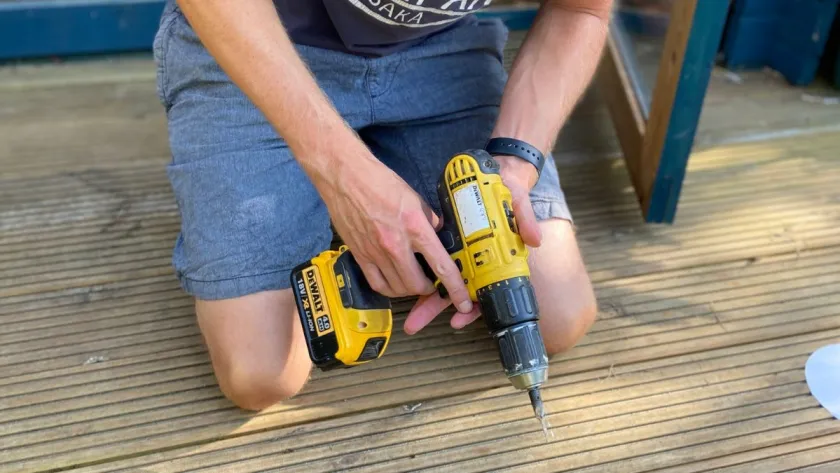
If you only buy one power tool this year, make it a cordless drill. It is the undisputed workhorse of the home. However, many beginners don’t realize that the drill has a “brother” called the impact driver.
The Power Drill/Driver
This is your primary tool for boring holes and driving smaller screws. Look for a model with a “clutch”—the numbered ring near the tip. This allows you to adjust the torque so you don’t accidentally drive a screw right through a piece of fragile drywall or snap a head off.
The Impact Driver
While a drill uses steady rotation, an impact driver uses a rapid hammering mechanism to drive long screws into dense wood. If you are building a deck or even just putting together a large piece of flat-pack furniture, the impact driver will save your wrists from fatigue and prevent the screw heads from stripping.
Cutting through the Noise: Choosing Your First Saw
Inevitably, you will need to cut something. Whether it’s a piece of trim, a 2×4 for a garage shelf, or a PVC pipe, a manual handsaw will quickly become exhausting.
The Circular Saw
The circular saw is the king of versatility. It is portable and, with a steady hand or a straight-edge guide, can do the job of a much larger table saw. For a first-time owner, a 7-1/4 inch cordless circular saw is the standard. It allows you to break down plywood sheets and cross-cut lumber with ease.
The Miter Saw (The Accuracy King)
If your home projects involve a lot of molding, trim work, or flooring, a miter saw is a “quality of life” upgrade you won’t regret. It sits on a bench and allows you to make perfect 90-degree or angled cuts every single time. While less portable than a circular saw, its precision is unmatched for finish work.
The Secret Weapon: The Oscillating Multi-Tool
Ask any seasoned contractor what tool they would bring to a desert island, and many will say the oscillating multi-tool. It doesn’t look like much, but its head vibrates at high speeds, allowing you to use different attachments for sanding, grinding, or cutting.
This tool is a lifesaver for:
- Cutting out a hole in drywall for a new electrical outlet.
- Trimming the bottom of a door casing when installing new flooring.
- Sanding down tight corners where a standard sander won’t fit.
- Removing old grout or scraping up stubborn adhesive.
Understanding Brushless vs. Brushed Motors
As you browse the aisles, you’ll notice some tools are labeled “Brushless.” Usually, these cost about 20% to 30% more. Is it worth it?
In short: Yes. Brushed motors rely on physical carbon brushes that create friction and heat, eventually wearing out. Brushless motors use an electronic controller, making them more efficient, more powerful, and longer-lasting. If you plan on keeping your tools for a decade or more, paying the “brushless premium” upfront pays for itself in performance and tool longevity.
Essential Safety Gear: The Non-Negotiables
Power tools deserve respect. Before you pull a trigger, ensure your “personal protective equipment” (PPE) is ready.
- Eye Protection: Not just glasses, but impact-rated safety eyewear. A single splinter from a table saw can cause permanent damage.
- Hearing Protection: High-pitched saws and impact drivers can lead to long-term hearing loss. Keep a pair of earmuffs or reusable plugs in your tool bag.
- Work Gloves: Look for “mechanic style” gloves that offer dexterity while protecting your skin from abrasions and splinters.
Common Mistakes New Homeowners Make
1. Buying the Cheapest Tool Possible
It’s tempting to buy the $20 “no-name” drill. However, cheap tools often lack a consistent chuck (the part that holds the bit), leading to wobbling and stripped screws. Stick to established brands with a solid warranty.
2. Forgetting the Bits and Blades
A $200 drill is useless if you are using a $1 dull bit. Always invest in high-quality carbide-tipped blades and impact-rated driving bits. They last longer and produce much cleaner results.
3. Ignoring the Manual
Every tool has a specific “kickback zone”a direction the tool will jump if it gets snagged. Knowing where to stand and how to grip the tool is the difference between a successful project and a trip to the emergency room.
Maintenance Tips for Tool Longevity
- Keep them Clean: After a project, use a dry rag or compressed air to blow sawdust out of the motor vents. Sawdust acts as an insulator and can cause motors to overheat.
- Battery Care: Store your lithium-ion batteries in a climate-controlled environment. Extreme heat in a summer garage or freezing temperatures in the winter can significantly shorten their lifespan.
- Blade Sharpening: Don’t force a tool to cut. If you find yourself pushing hard against a circular saw, it’s time to change the blade.
Conclusion
Building your first power tool kit is a journey of empowerment. When you have the right tools like a reliable drill, a versatile circular saw, and a multi-tool you stop viewing home repairs as “problems” and start seeing them as “projects.” By choosing a consistent battery ecosystem like the one offered by Greenworks, you ensure that your investment today will continue to serve you as you move from simple repairs to full-scale renovations.
Frequently Asked Questions
1. Can I use a drill to mix paint or concrete?
While you can buy mixing paddles for a drill, be careful. Mixing heavy materials like thin-set or concrete puts immense strain on a standard drill motor. If you must do it, use a low speed and work in small batches to avoid burning out the motor.
2. How long do cordless tool batteries actually last?
Under normal DIY use, a high-quality lithium-ion battery should last between 3 to 5 years (or roughly 1,000 charge cycles). To maximize life, avoid leaving them on the charger for weeks at a time once they are full.
3. Do I really need an impact driver if I already have a drill?
For simple tasks like hanging pictures or assembling small furniture, a drill is enough. However, for any project involving “structural” screws (like 3-inch deck screws), an impact driver is essential. It provides the torque necessary to drive the screw without stripping the head or stalling the motor.
4. Is it better to buy tools in a “Combo Kit” or individually?
Combo kits (which usually include a drill, driver, and light) almost always offer better value for beginners. You get the batteries and charger at a steep discount compared to buying “bare tools” (the tool only, without battery) later on.
