

Any structure is always supported by a solid foundation, and this stability ensures the safety of any occupants. With time, fault lines weaken and spread problems seen and unseen, such as cracks in walls, uneven floors, and doors that stick or do not close properly. Property owners can be guided toward any necessary actions pertaining to their buildings’ integrity by comprehending the signs, the only way to fix them, and what that fix entails.
Recognizing Early Warning Signs
Settlement is often accompanied by cracks in walls, particularly around doors and windows. When doors or windows start to stick or not shut correctly, this can be an indication of movement underneath. Problems with the substructure are also suggested if there are uneven floors or beams peeking out between the walls and the ceilings.
Recognizing these signs early helps you take prompt care to stop them from getting worse. In homes experiencing these symptoms, foundation repair in Los Angeles may become necessary, since early signs like wall cracks, sticking doors, or uneven floors often point to structural movement beneath the property.
Exterior Clues to Watch For
Outside, misaligned bricks or siding, stair-step cracks, and the space between the chimney and house indicate movement below. Standing water with no proper drainage around the building base can lead to damage to the building at its base. Understanding these signs enables prompt resolution of interpersonal issues.
Common Causes of Foundation Issues
There are many things that can compromise the structural integrity of a building. Soils that expand and shrink with moisture changes can create shifty ground. Other causes of any deterioration could be insufficient drainage, insufficient compaction of ground before construction, as well as root base techniques of timber saplings, and appropriate uptake of moisture from the soil. Identifying these reasons helps in finding appropriate solutions.
Assessment and Inspection Process
As soon as the warning signs emerge, it is critical to seek professional assessment. Inspectors use special equipment to measure how much the ground has risen or fallen and to evaluate the damage. In addition, it may also include searching crawl spaces or basements for additional evidence. A proper inspection may help in the diagnosis and selection of repair methods, such as identifying structural weaknesses or moisture issues that need to be addressed to ensure the safety and integrity of the building.
Popular Foundation Repair Methods
Adjustments to pier and beam typically fix the perimeter shifting common with older homes. To the right are massive steel piers that go deep into stable soil and provide long-term support for any structure that has settled. Concrete pilings do the same, just lifting and supporting the affected area. With slabjacking, grout is injected under the slab to elevate and level it. Therefore, depending on the state of damage and its type, each method is chosen.
Water Management Solutions
Drainage around the building will need attention to avoid similar scenarios later on. Rain gutters are properly installed, downspouts are extended away from the foundation, and the ground is graded for proper water flow to safeguard against moisture issues. Others demand to have French drains or sump pumps installed so that water can be diverted more successfully.
What Happens in the Repair Process
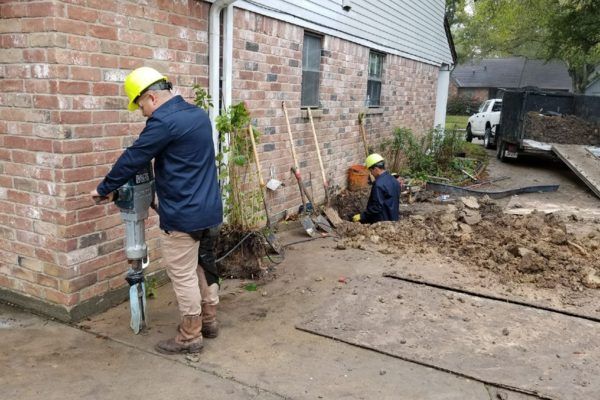
After selecting a suitable repair approach, property owners can prepare for several steps. First, technicians may excavate around the affected area to gain access. Heavy equipment or specialized tools might be used, causing temporary disturbance to landscaping. During the lifting process, careful monitoring ensures the building returns to a stable position without additional damage. Structural cracks are repaired, and the site is restored as closely as possible to its original state.
Duration and Disruption
Depending on the method and severity of the problem, this repair can take several days. Although there will be some noise and inconvenience, professionals work to eliminate or at least reduce the disruption. Yes, residents may need to alter their daily schedule for a brief time, but proper and solid communication allows for the expectation to be met.
Post-Repair Considerations
Finally, monitoring for new cracks or shifts is also important once repairs have finished. Keeping the drainage, fixing plumbing leaks quickly, and staying away from big trees in the proximity of the structure will reduce many future problems. Regular inspections by professionals ensure that it remains safe and secure.
Conclusion
It is vital to ensure the value and safety of any structure with proper maintenance on its foundation. Identifying warning signs, learning about repair solutions, and gaining insight into the process empowers homeowners. And of course, resolving issues quickly not only brings peace of mind but also a secure space for everyone to use.
