

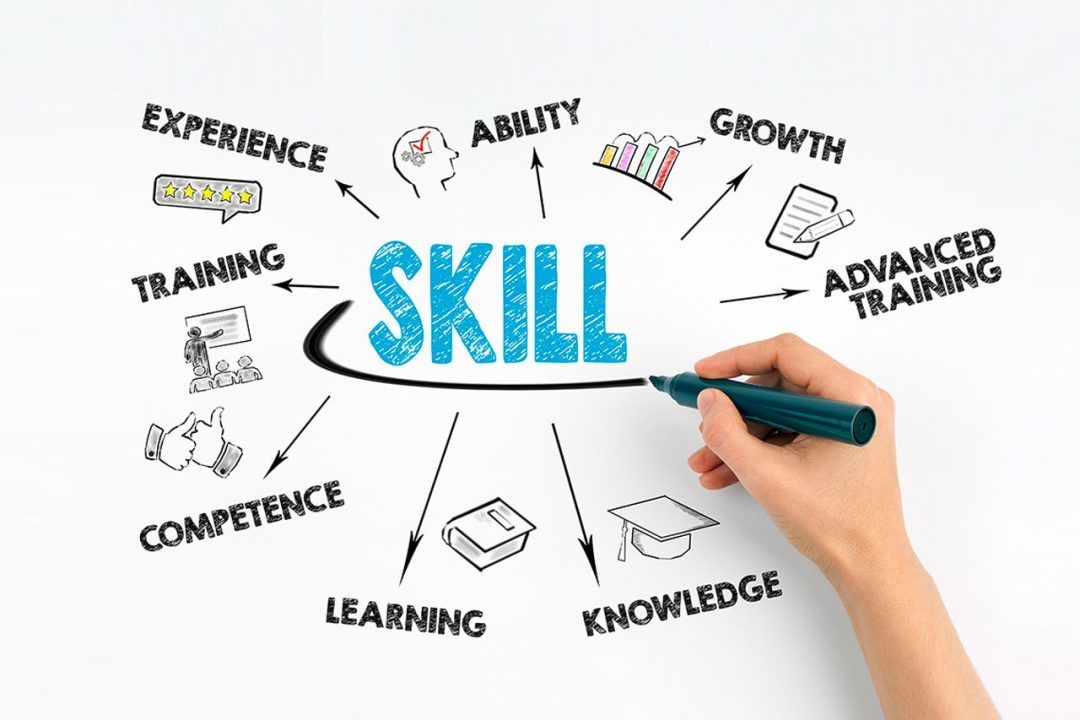
The job market is changing fast now. A college degree is no longer the only way to get ahead at work. What is more important today is when you have relevant skills. These are the hands-on abilities that employers look for the most. Because of this, skill-based education has turned into a good way for learners and people at work who want a job quicker, more money, and the chance to keep growing.
If you want to get ready for the future and feel sure about your work, you can visit Vocational Training HQ for helpful details and steps on what jobs need today. In this guide, you will find out what skill-based education is, why it is important, how to pick the best path, and get answers to the top questions people ask.
1. What Is Skill-Based Education?
Skill-based education is about learning useful skills instead of just reading and writing in class. It helps learners get good at things like coding, digital marketing, welding, taking care of people in healthcare, or helping with computer help. These are skills that are needed for jobs, and what you learn can be used right away at work.
Skill-based programs do not take as long as traditional degrees. You can finish them faster and get ready for work sooner. These programs focus on the skills you need for jobs today. A website like Vocational Training HQ picks these programs based on what jobs are out there. This way, you can pick the right training for the work you want to do.
2. Top 7 Ways Skill-Based Education Transforms Careers
1. Accelerated Entry Into the Workforce
Skill-based programs usually take months, not years. This lets you get certified faster. You can start paid work sooner.
2. Higher Job Relevance
Courses are made to match what companies want. This means the skills you get in class are just what businesses look for. This can help you find a job more easily.
3. Cost-Effective Learning
Shorter training cycles often cost less than regular degrees. When you use platforms like VocationalTrainingHQ, you can look at choices that cost less but still give good job results.
4. Career Flexibility & Mobility
Skill-based credentials help people switch jobs more easily. If you want to move into tech, healthcare, or the trades, focused training gives you a base that can work in different fields.
5. Demonstrable Competence
Employers like to see clear proof of what you can do. Certifications and portfolios show your real skills, not just what you studied in school.
6. Continuous Upskilling
With things like technology and industries always changing, it is important to keep learning over time. A skill-based way to learn helps people update their skills often without needing to spend years in school.
7. Higher Earning Potential
People who have strong skills can get good pay in many jobs. This is true in technology and in special trades. When their training fits what people need in the market, they can make more money.
3. How to Choose the Right Skill-Based Path (Step-by-Step Guide)
Step 1: Assess Your Interests & Strengths
Start by finding out what you like and what you are good at. This helps you feel more motivated and do well.
Step 2: Research Job Market Demand
Check job growth predictions and typical pay for the field you want. Tools will help you to match your skills to open jobs in the market.
Step 3: Compare Program Types
Decide if you want to take short courses, get certifications, join apprenticeships, or aim for advanced certificates. Try to choose programs that give you industry-recognized credentials.
Step 4: Evaluate Learning Format
Choose online, in-person, or both types of programs, depending on your schedule and how you learn best.
Step 5: Check Reviews & Outcomes
Look for training programs that help people do well after they finish and that have good links with companies.
Step 6: Consider Cost & Support
Think about tuition, money help, or if your job will pay for the course. Some skills programs can help you find work after you finish.
4. FAQs — Everything You Need to Know
Q1. How long does skill-based education take?
Most programs can last a few weeks or up to 12 months. How long they take depends on the field and what is covered.
Q2. Can skill-based education lead to a sustainable career?
Yes. In jobs like IT, healthcare support, trades, and digital services, skill-based careers can help you get stable work for many years. You can find more help and info about these fields at Vocational Training HQ.
Q3. Are employers hiring based on skills?
Yes, many top companies now give importance to skills more than college degrees. Real-world practice and certificates can sometimes be more useful than old-school papers.
Q4. Can I build a portfolio through skill-based training?
Yes — making a group of your work can help a lot. It shows real projects and what you have done for people who might want to hire you.
Skill-based education is more than just a trend. It is a smart choice for your job. This type of learning helps you show your skills. It also matches what jobs are looking for now. With this, you can find work that feels important and pays well. Some sites lets you look at different programs, check results, and build your own plan for your work life.
