

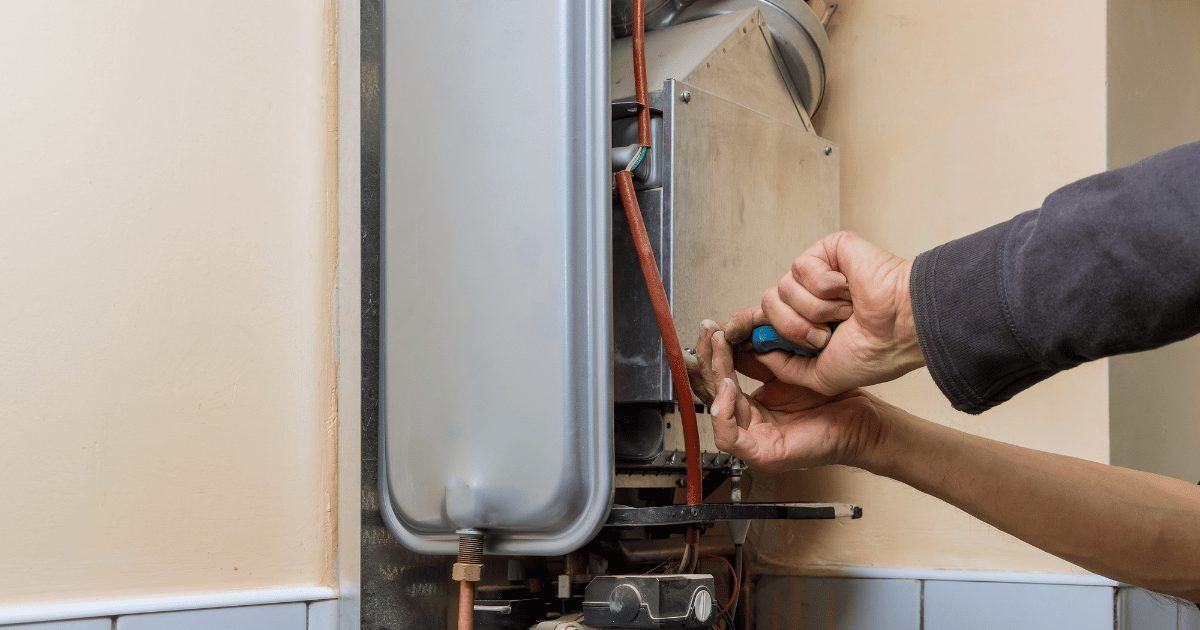
Water heaters are essential for our daily comfort and convenience, providing the hot water for showers, washing dishes, and more. Ensuring they function properly can save energy costs and help avoid unexpected breakdowns. It’s wise for homeowners to understand basic plumbing services Olympia or wherever you reside, as knowing when to seek professional help is crucial for efficiently maintaining your water heater.
Maintaining your water heater involves regular inspections and occasional servicing. The longevity of your unit largely depends on the care you provide. Below, we delve into practical tips for maintaining your water heater and ensuring it operates efficiently for years.
Table of Contents:
- Understanding Different Types of Water Heaters
- Conducting Regular Inspections
- Flushing the Tank
- Checking the Temperature Settings
- Inspecting the Anode Rod
- Insulating the Heater
- Knowing When to Call Professionals
- Conclusion: Maintaining Your Water Heater
Understanding Different Types of Water Heaters
Water heaters come in various types, including tankless, conventional storage, heat pump, solar, and condensing models. Each type has its maintenance requirements and benefits. The most popular units are conventional ones, which have an insulated tank that heats and holds water until it is needed. In contrast, tankless heaters offer on-demand heating, which can be energy-efficient but requires regular descaling. Understanding your specific model is vital for proper maintenance and operation.
Conducting Regular Inspections
Routine inspections are paramount to catching potential issues early. Homeowners should regularly check for rust, leaks, unusual noises, and signs of potential trouble. Anomalies such as puddles around the base or corrosion might indicate an internal leak or component failure, needing immediate attention before they escalate into bigger problems.
Flushing the Tank
By draining the water heater tank every six months, sediment buildup can be eliminated. Over time, minerals from the water settle at the bottom, leading to inefficiency and potential damage to the heater. According to an article from ENERGY STAR, sediment build-up can block heat transfer and overwork the appliance. By keeping the heater operating efficiently, draining a few gallons from the tank can help resolve this problem and prolong its longevity.
Checking the Temperature Settings
The default setting for most water heaters is 140°F, but lowering it to 120°F can reduce energy consumption significantly without compromising comfort. This setting also minimizes the risk of scalding while preventing mineral build-up and corrosion. Adjusting the temperature for a household with fewer occupants can lead to noticeable savings over time. It’s a simple yet effective way to enhance efficiency and safety.
Inspecting the Anode Rod
The anode rod is essential to keeping the water heater tank from rusting. It essentially sacrifices itself to shield the tank liner by drawing corrosive substances from the water. Regularly inspecting and replacing this rod every two to three years or when it’s significantly corroded can extend the appliance’s life.
Insulating the Heater
Insulating your pipes and water heater can lower energy costs, increase efficiency, and minimize heat loss. Applying an insulating jacket around the tank and covering hot water pipes minimizes heat dissipation. This step is especially beneficial for older units not manufactured with built-in insulation, providing a quick way to enhance the unit’s performance and lower operating costs.
Knowing When to Call Professionals
While most homeowners can handle regular maintenance tasks, there are instances that require professional intervention. Persistent issues like unusual noises, inconsistent water temperatures, or frequent resetting of circuit breakers indicate a more serious problem. Seeking plumbing services in your local area ensures skilled technicians can diagnose and rectify problems effectively, preventing potential disasters.
Conclusion: Maintaining Your Water Heater
Regular water heater maintenance can result in substantial savings on energy bills and extend the appliance’s lifespan. Homeowners may guarantee reliable and effective functioning by adhering to these maintenance guidelines. While DIY steps can aid in upkeep, don’t hesitate to engage professional help when needed. Prioritizing maintenance ensures your water heater remains a reliable component of your home’s utilities for years to come, providing peace of mind and comfort.
