

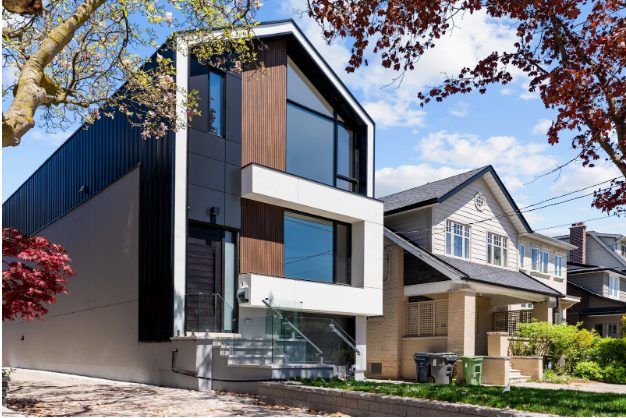
Architecture is a mirror reflecting its era, as well as proof of human creativity. A hot topic among aficionados often centres around two philosophical styles for home construction—modern versus classic. Do you find yourself drawn to the ageless allure of history or the smooth novelty of the now?
Understanding Modern and Classic Architectural Styles
Historical architecture includes designs from definitive periods of time, often rooted in deep-seated cultural and local construction traditions. Imagine colonial residences, Victorian urban homes, or even exotic Mediterranean estates. These dwellings highlight ornate details, balance, and a sense of everlastingness. Classic houses frequently stir up feelings of yearning, as they are based on history and eternal charm.
On the other hand, modern architecture is adaptable and mirrors current design tendencies. It doesn’t cling to any specific period, rather it is typified by trial, utility, and reduction. Modern homes put a premium on crisp silhouettes, expansive spaces, and prioritising natural illumination. The focus veers away from historical connotations, steering more towards accommodating modern lifestyles and technologies.
Design Components and Material
Historical houses are equated with elaborate detailing and artistry. Natural stone, brick, and hardwood are prevalent, and design aspects such as peaked roofs, ornamental eaves, and detailed woodwork accentuate their traditional aesthetics. The interior usually showcases warm, neutral shades paired with embellished details like elaborate mouldings, archways, and tray ceilings.
In contrast, modern architecture champions the basics and the new. Materials like glass, steel, and concrete are typical, alongside environmentally-friendly options such as bamboo and salvaged wood. The layout is generally open, eradicating physical and visual hindrances to establish an open and airy flow. Generously sized windows and glass partitions bring the outdoors in, often merging the distinction between indoor and outdoor zones.
This clear contrast is likely the flashpoint for the divergence between the two styles. Historical homes anchor you to another era, while modern designs look ahead, picturing the living trends of the future.
Eco-Friendliness and Environmental Impact
A primary differentiation between modern and classic architecture for companies like BY Projects Architecture is their approach towards environmental sustainability. While classic homes are constructed to endure, they habitually rely on materials and building methods that stray from current environmental demands. For example, traditional layouts often do not accommodate energy-efficient mechanisms or sustainable energy sources.
In contrast, modern architecture embeds sustainability in its essence. Modern building technologies and awareness of environmental consequences stimulate its designs. Modern homes usually incorporate energy-efficient windows, smart home devices, solar panels, and advanced insulation materials. Architects exploit the forefront of innovation to shrink carbon footprints, making these dwellings more fitting for a future of environmental stewardship.
A Design for Every Devotee
Regardless if you’re mesmerised by the detailed allure of classic architecture or the slick, future-oriented ethos of modern design, both styles offer something extraordinary. Classic homes connect us to our past, while modern homes thrust us into what’s ahead.
In the end, the choice boils down to individual preference and your perception of home. If you’re inclined to delve deeper into either style, take the opportunity to inspect your environment, visit architectural highlights, and scrutinise layouts. By comprehending what invigorates and motivates you, you’ll be better prepared to determine which style aligns with your vision.
