



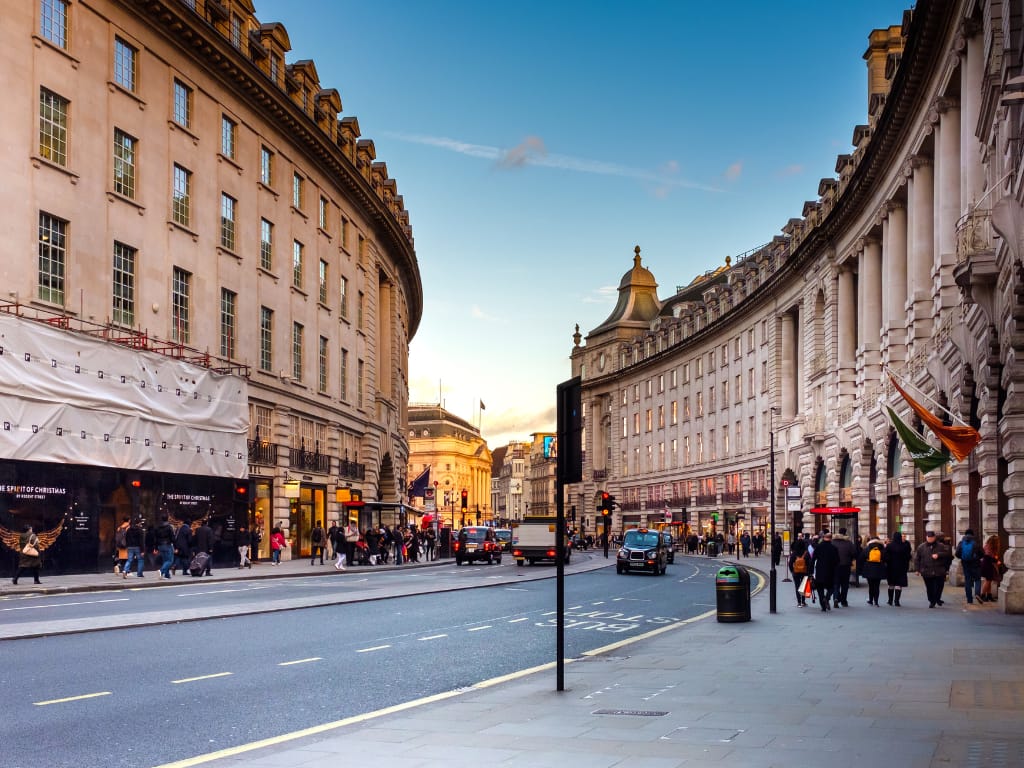
Urban living in London is undergoing a seismic shift with its growing population of international visitors. To put it into perspective, the city is reportedly the 3rd most-visited city in the world, attracting about 21.7 million global travellers annually.
These travellers are steadily reshaping urban living in the UK capital by transforming what were once residential suburbs into flourishing cultural hubs today. They have driven the growth of peer-to-peer rentals and serviced apartments for longer stays, while scaling London’s 24-hour economy. It has shifted the economic centres of gravity of London beyond the regular touristy hotspots. Let us examine these trends in more detail below.
How Global Travellers are Decentralising London
There are several unique ways in which global visitors are steadily redefining what urban living means in London. Here’s how they are bringing about a more decentralised vibe:
1. Growth of Serviced Apartments All Across London
The demand for centrally located serviced apartments in London has been steadily rising, especially due to tourists and business travellers. This trend is not just visible in the touristy zones, but all across the city. They are springing up to cater to the evolving needs of travellers who want more space, especially for longer stays and groups.
They also offer kitchens, flexible leases, workspaces and home-like privacy and comfort. People are choosing these units for more local immersion and community-driven lifestyles. This shift from hotels is clearly visible today.
2. Spilling Over Into the Suburbs
Tourism in London is no longer limited to central London areas. Global travellers are increasingly choosing to stay in peripheral and suburban residential localities. This has revitalised several local zones, ranging from Broadway Market in the east to Peckham Rye in the south. They are increasingly becoming off-beat yet bustling destinations for travellers.
3. Hyper-Local Spending
A rise in longer stays and residential neighbourhood choices has shifted tourist spending from generic and central London stores to independent boutiques, local pubs and cafes. There has been an increasing trend towards local immersion, and it shows in spending across neighbourhood supermarkets, museums, hidden attractions and local souvenir shops.
4. Peer-to-Peer Accommodation and Community Growth
Many international visitors are living more like locals in London, with the popularity of short-term rentals. Instead of booking traditional hotels, there is a shift towards boutique living. Many are choosing converted Victorian townhouses in areas like Fitzrovia and Marylebone. This decentralisation has created new localised visitor districts, thereby encouraging wider distribution of the tourism economy across Greater London.
5. Scaling the 24-Hour Economy
Global tourists have expanded the 24-hour economy in London, another factor that has also contributed to redefining urban living. They have driven growth in the night-time economy of London, encouraging theatres, museums and retailers to extend operating hours.
6. Multicultural Focus
Global visitors have put the focus squarely on multiculturalism. The city’s diversity continues to be a huge attraction for international visitors. Events such as Diwali in Trafalgar Square or the Notting Hill Carnival attract millions of global visitors. This has boosted appreciation for cross-cultural engagement and better social cohesion.
Prime Locations Preferred by Global Visitors in London
There are several prime neighbourhoods that are preferred by international visitors in London as well. Some of them include:
1. Covent Garden and the West End:
These localities offer excellent connectivity through multiple stations like Covent Garden, Charing Cross and Leicester Square. The Royal Opera House, Covent Garden Piazza, West End theatres and London Transport Museum are all located here. Al fresco dining, easy access to Trafalgar Square and boutique shopping are all core USPs of the locality.
- SoHo
If you are a nightlife lover, this is the place to be! Most global travellers love the eclectic and vibrant environment, with easy access through Piccadilly Circus and Tottenham Court Road being nearby. SoHo Square, Chinatown, Dominion Theatre and Scott’s Jazz Club are also situated here. There are innumerable bars and restaurants, with easy access to Regent Street and Oxford Street for shopping.
- South Kensington and Chelsea
Ideal for boutique shopping, families and museum enthusiasts, the stretch offers good connectivity through the Sloane Square and South Kensington stations. The Natural History Museum, Science Museum, Kensington Palace and the Victoria and Albert Museum (V&A) are all present here. You can quickly get to Hyde Park, while accessing the King’s Road shopping district, premier cafes and garden squares.
- Mayfair
Bond Street and Green Park ensure seamless connectivity, while you can easily get to the Royal Academy of Arts, Berkeley Square and upscale retail on New Bond Street and Mount Street. You will find several Michelin-starred restaurants here, while Hyde Park is also nearby.
- South Bank
A vibrant neighbourhood, it is home to the Waterloo and London Bridge stations. The Tate Modern, London Eye, Borough Market and Shakespeare’s Globe are all situated here. You will find gorgeous riverwalks on the Thames, vibrant food stalls and street performers in the area. It also offers some of the best views of the skyline.
- Shoreditch
With its hipster vibe, it stands out for its excellent connectivity and the charming Shoreditch High Street. The attractions here include the Spitalfields Market, Brick Lane and top-class street art. You will also discover several craft beer bars, independent coffee shops and trendy pop-ups here. It is an edgy locality with a wide range of short-term rentals in Shoreditch.
As you can see, global visitors have completely reshaped urban living in London. Along with transforming several suburban neighbourhoods, they also prefer several prime locations in the city.


