



You’ve booked the train. You’ve mapped the temples and shortlisted the street food spots. But the moment you start searching for a place to stay, the hostel question hits. Is it safe? Will you actually sleep? What if your bunkmate snores like a freight train? These are real concerns, not paranoia. Most first-timers feel exactly this way before their first night in a hostel in India.
Here’s the thing: that nervousness usually disappears by morning. You meet someone at breakfast who has been travelling for three months and knows every shortcut in the city. They casually mention a tea stall nobody on TripAdvisor has reviewed. And suddenly, the whole trip shifts in a way no hotel could have made possible.
What Indian Hostels Actually Look Like Now
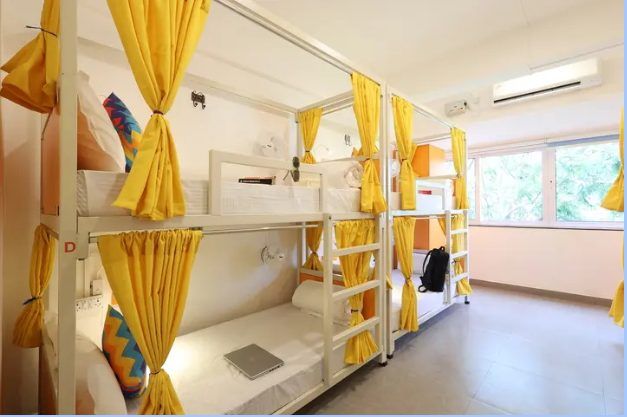
The stereotype of a dingy room with broken fans and questionable sheets is largely outdated. The modern hostel in India often looks nothing like what your parents might picture. Think well-lit dorms with personal reading lights, privacy curtains on each bunk, digital lockers, and common areas that feel more like a college lounge than a waiting room. Many properties now run 24/7 cafes. Some have co-working stations. A few have rooftop terraces with views that would look great on a travel poster.
Most hostels run on a dorm model. You share a room with anywhere between four and twelve people. Some properties offer private rooms, though they cost significantly more. Dorms are where the real experience lives. You’re surrounded by solo travellers, couples, digital nomads, and weekend wanderers. The energy is unlike any hotel lobby, and that’s entirely the point.
The Social Side Nobody Warns You About
One thing that surprises most first-timers is how naturally the social side of hostel life unfolds. You’re minding your own business, charging your phone at the common table, and three hours later, you’re deep in a conversation about whether Rishikesh or Varkala has better sunsets. Nobody forces it. It just happens.
Staff at well-run hostels are genuinely helpful in ways travel apps can’t replicate. They’ll tell you which local restaurant to avoid, what a fair auto-rickshaw rate looks like for a specific route, and which ghat is quietest at 5 in the morning. That kind of knowledge is hard to Google. It comes from watching dozens of travelers pass through every single week.
Many hostels also organize events: walking tours, group dinners, game nights, and jam sessions. You don’t have to join. But if you’re travelling solo and feeling the loneliness that sometimes creeps in around day three, those evenings are a genuine lifeline. There’s something quietly reassuring about a shared table of strangers who are all figuring it out as they go.
What to Pack for a Hostel Stay
Packing for a hostel is a little different from packing for a hotel. A few essentials make the difference between a smooth stay and a frustrating one.
- A sturdy padlock. Most hostel lockers provide a storage box. You bring the lock.
- Earplugs. Not because hostels are noisy, but because everyone keeps different hours.
- Flip flops. Shared bathrooms are common, especially in budget dorms. Enough said.
- A microfiber travel towel. Some hostels provide them; many don’t. Microfiber dries fast and packs small.
- A power bank. Common area outlets get competitive during peak season.
- A small torch or headlamp. Useful when you need to find your bunk at midnight without waking five people.
Beyond the gear, the most important habit is keeping your valuables locked up — consistently, not occasionally. It’s the same logic as not leaving your bag unattended at a railway station. It isn’t distrust; it’s just responsible travel.
Scams and Situations to Know Beforehand
Scams in India aren’t limited to tourist landmarks. A few specifically target backpackers, and knowing about them takes away most of their power.
The most common one involves transportation. When you step off a train at a busy station, strangers may approach you with urgent news: your hostel “closed down” or “shifted location.” They’ll offer to take you somewhere better, usually a guesthouse where they earn a commission. Your hostel almost certainly hasn’t moved. Call ahead if anything feels off. Most hostel front desks respond quickly on WhatsApp.
Auto-rickshaw overcharging is another frequent one. Before you head out for the day, ask the hostel staff what the going rate is for your destination. That one question saves you the mental energy of bargaining every single time and helps you travel with a lot more confidence.
On the booking side, always read recent reviews before committing to a property. Not just the star rating — scroll through written reviews from the past 60 days. Look for comments on cleanliness, locker functionality, and how responsive the staff is during issues. Those details tell you far more than a number does.
How to Choose the Right Hostel
Not every hostel suits every kind of trip. If you’re visiting a city like Varanasi or Amritsar for a few days, proximity to the old city or the main ghats matters more than an aesthetic rooftop. In beach towns like Goa or Varkala, a relaxed common area is worth prioritizing over a central location.
For solo female travelers, look for hostels that clearly offer female-only dorm options and visible security measures. It isn’t about fear. It’s about choosing a space where you feel genuinely comfortable, so your energy goes into exploring rather than second-guessing.
Well-established hostel chains have made this decision much easier. goSTOPS, for instance, operates across 30+ locations in India and has built a reputation around clean, well-designed dorms with real amenities: digital locks, co-working stations, privacy curtains, and 24/7 cafes. When you’re unfamiliar with a city and need a reliable base, a trusted name takes significant guesswork out of the equation.
Geography matters too. For mountain destinations like Manali or Kasol, look for hostels that organize treks or outdoor activities. For heritage cities like Jaipur or Jodhpur, a hostel that runs cultural events or food walks adds genuine depth to the experience. The right hostel doesn’t just give you a bed; it gives you context.
Getting the Most Out of Your First Night
The first night in a hostel in India can feel disorienting if you’ve only ever stayed in hotels. Give it some time. Walk to the common area in the evening. Order a chai. Let things unfold at their own pace without forcing anything.
Show up to hostel events when they’re on. Take the staff’s local recommendations seriously rather than defaulting to the first result on a search engine. Say yes to plans that weren’t on your original itinerary. Some of the best travel memories come from last-minute decisions: a sunrise trek suggested by a stranger at dinner, or a group that spontaneously decides to catch the morning aarti together. These are the moments that don’t make it into guidebooks.
Final Thoughts
Staying at a hostel in India for the first time sounds more daunting than it actually is. The learning curve is short. By the second day, you’ll know where everything is, how the locker works, and probably the names of a few people you’d genuinely consider travelling with again.
Pack smart, stay aware, and don’t overthink the social part. India rewards the curious traveller. Your hostel is exactly the right place to start.


