



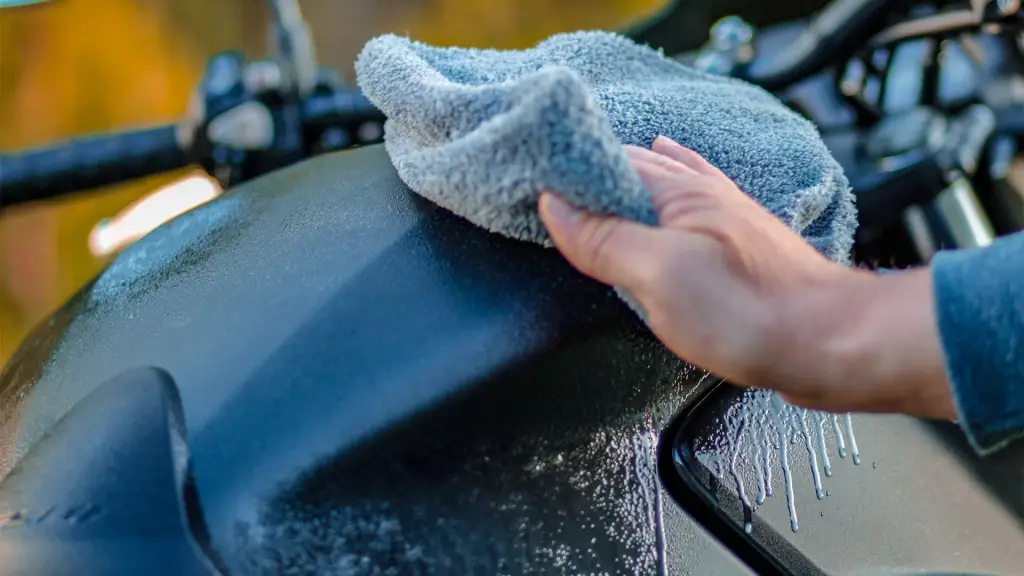
There’s a certain satisfaction that comes from seeing a motorbike properly cleaned, polished and sitting in the light with every curve catching just the right amount of shine. It’s not only about vanity, either. For plenty of riders, looking after the finish is part of looking after the bike itself, especially when paintwork, chrome, plastics and protective coatings are constantly exposed to weather, road grime, bugs, dust and the odd careless wipe-down.
Of course, there’s a big difference between giving a bike a quick wash and actually restoring depth to the finish. A wash might remove surface dirt, but it won’t do much for light swirls, dullness, oxidation or those faint marks that become obvious when sunlight hits the tank at the wrong angle. That’s where a proper motorbike finishing polish earns its place, because the right product can refine the surface and bring back the kind of gloss that makes the bike feel freshly cared for rather than just clean.
Why Bikes Need a Different Level of Attention
Motorbikes are more exposed than cars in some ways, even though there’s less surface area to deal with. The tank, fairings, guards and trim all sit close to the rider, so imperfections are easy to notice. You’re not standing metres away looking at a large bonnet; you’re right there, seeing the surface up close every time you walk into the garage or swing a leg over the seat.
The shapes can also make polishing trickier. Bikes have tighter curves, sharper edges, small painted sections, badges, vents, exposed bolts and mixed materials sitting close together. That means heavy-handed polishing can create problems if you’re not paying attention. The aim is to improve the finish, not flatten every surface with the same approach you might use on a large car panel.
Start With a Proper Clean
Before any polish touches the bike, the surface needs to be properly cleaned. Dust, grit and old residue can drag across the finish and create new marks, which is the exact opposite of what you’re trying to achieve. A careful wash, followed by drying with clean, soft towels, gives you a much better starting point.
If there’s stubborn contamination, it may also be worth using a suitable decontamination step before polishing. That part doesn’t need to be rushed. The cleaner the surface is before refinement, the better the polish can do its job.
Don’t Chase Perfection at Any Cost
It’s tempting to keep working until every tiny mark disappears, but that’s not always necessary or sensible. A bike that gets ridden regularly will pick up signs of use, and chasing absolute perfection can sometimes mean removing more clear coat than you need to. For most riders, the sweet spot is a finish that looks deep, glossy and well-maintained while still being practical for real-world riding.
The Final Finish Is in the Details
Once the polishing is done, the difference often shows in the way the bike holds light. Colours look richer, reflections become clearer, and the whole machine feels sharper without needing anything dramatic. It’s one of those maintenance jobs that rewards patience, because when the finish comes back properly, the bike doesn’t just look cleaner; it looks loved.


