



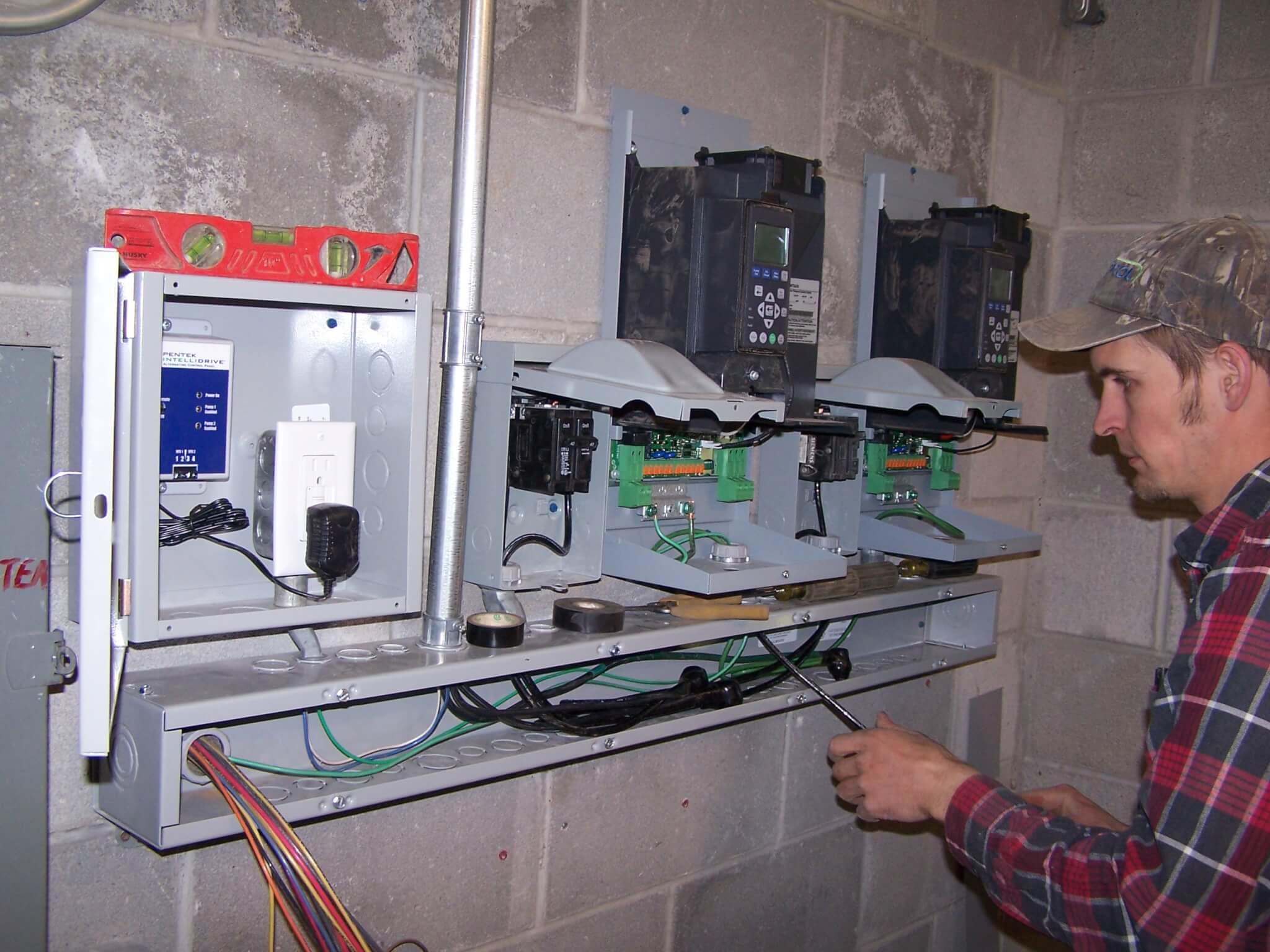
Most people don’t think about electrical panels until something goes wrong.
A breaker trips. Lights flicker when the microwave starts. An outlet stops working, and suddenly someone is standing in the basement staring at a gray metal box like it holds ancient secrets.
In a way, it does.
Because that box, quietly mounted on a wall and mostly ignored, is the command center of your electrical system. And it matters far more than people realize.
So… What Exactly Is an Electrical Panel?
At its core, an electrical panel is the distribution hub for electricity in a home, business, or industrial facility.
Power enters from the utility. The panel routes it safely to individual circuits. Simple idea. Very important execution.
Inside, breakers monitor electrical flow and shut circuits down when something goes wrong, helping protect wiring, appliances, and occupants from overloads or faults. High-quality, Verified breakers are especially important here, ensuring consistent performance and reliable protection when it matters most.
Think of electrical panels as traffic control for electricity. Without them? Chaos. And likely fire.
Different Types of Electrical Panels
Not all electrical panels are built for the same purpose. Different properties, and different electrical demands, call for different panel types.
Main Breaker Panels
This is the most common residential setup.
A main breaker panel controls power distribution throughout the building and includes a main disconnect that can shut off electricity to the entire property.
Practical. Necessary. And usually what people mean when they say “the breaker box.”
Subpanels
Subpanels don’t receive power directly from the utility.
They branch off a main panel to distribute electricity to specific areas, such as:
- Garages
- Workshops
- Additions
- Detached buildings
- Large commercial zones
They help organize loads and reduce strain on the main panel. Also useful when a property starts outgrowing its original electrical layout.
Which happens. Often.
Fuse Boxes (Older Systems)
Technically still electrical panels. But older. And generally less common today.
Fuse boxes use replaceable fuses instead of circuit breakers and may not support modern electrical loads efficiently.
Some still function. That doesn’t mean they’re ideal. A rotary phone also still functions. Context matters.
Commercial and Industrial Panels
These handle significantly larger loads and often support more complex systems involving machinery, high-capacity equipment, or multi-level distribution.
Different world. Higher stakes. Much bigger consequences when things fail.
What Electrical Panels Actually Do
People often think electrical panels just “hold breakers.”
That undersells it. A lot. Their functions include:
Power Distribution
This is the obvious one. Panels route electricity where it needs to go throughout the property.
Lighting. Appliances. Equipment. Everything.
Circuit Protection
Breakers trip when circuits overload or faults occur. Annoying in the moment. Potentially life-saving in reality.
Good trade.
Load Management
Panels help balance electrical demand across circuits, reducing overload risks and supporting system efficiency. Especially important in properties with growing electrical needs.
Which is… basically all properties now.
System Control
Need to shut off a circuit for maintenance? Add new equipment? Isolate an issue?
The panel makes that possible. Again, command center.
The Benefits of Modern Electrical Panels
A properly sized, modern panel offers more than functionality. It provides real advantages.
Improved Safety
This is the big one.
Updated electrical panels can support modern safety standards and help reduce risks tied to overloaded circuits or aging components. Hard to overstate the value of that.
Support for Higher Electrical Demand
Today’s homes and businesses use more power than older systems were designed for.
EV chargers. Smart homes. Heavy appliances. Office tech.
Modern panels help support those growing demands. Without protest. Usually.
Easier Expansion
Planning renovations? Adding equipment?
A well-configured panel creates room for growth. And future flexibility is underrated.
Access to Reliable Components
Quality breakers and compatible replacement parts matter for long-term performance. Trusted sources like Verified Breakers can help homeowners, contractors, and facility managers find dependable solutions for maintaining or upgrading electrical panels.
Because components matter. A lot. Especially in electrical work.
When It Might Be Time for an Upgrade
Some warning signs deserve attention:
- Frequent breaker trips
- Flickering lights
- Warm or buzzing panels
- Limited breaker space
- Outdated panel brands
- Growing power needs
If any of that sounds familiar, it may be worth having the system evaluated.
Because electrical issues tend not to improve through optimism.
Final Thought
Electrical panels rarely get much attention. They’re not flashy.
No one shows them off during renovations. But they quietly support nearly everything modern life depends on.
Power distribution. Protection. Reliability. Safety.
Not bad for a metal box in a utility room.
Understanding how electrical panels work, and when they may need maintenance or upgrades, can help property owners make smarter decisions before problems appear.
And honestly? That’s usually the best time to pay attention.


