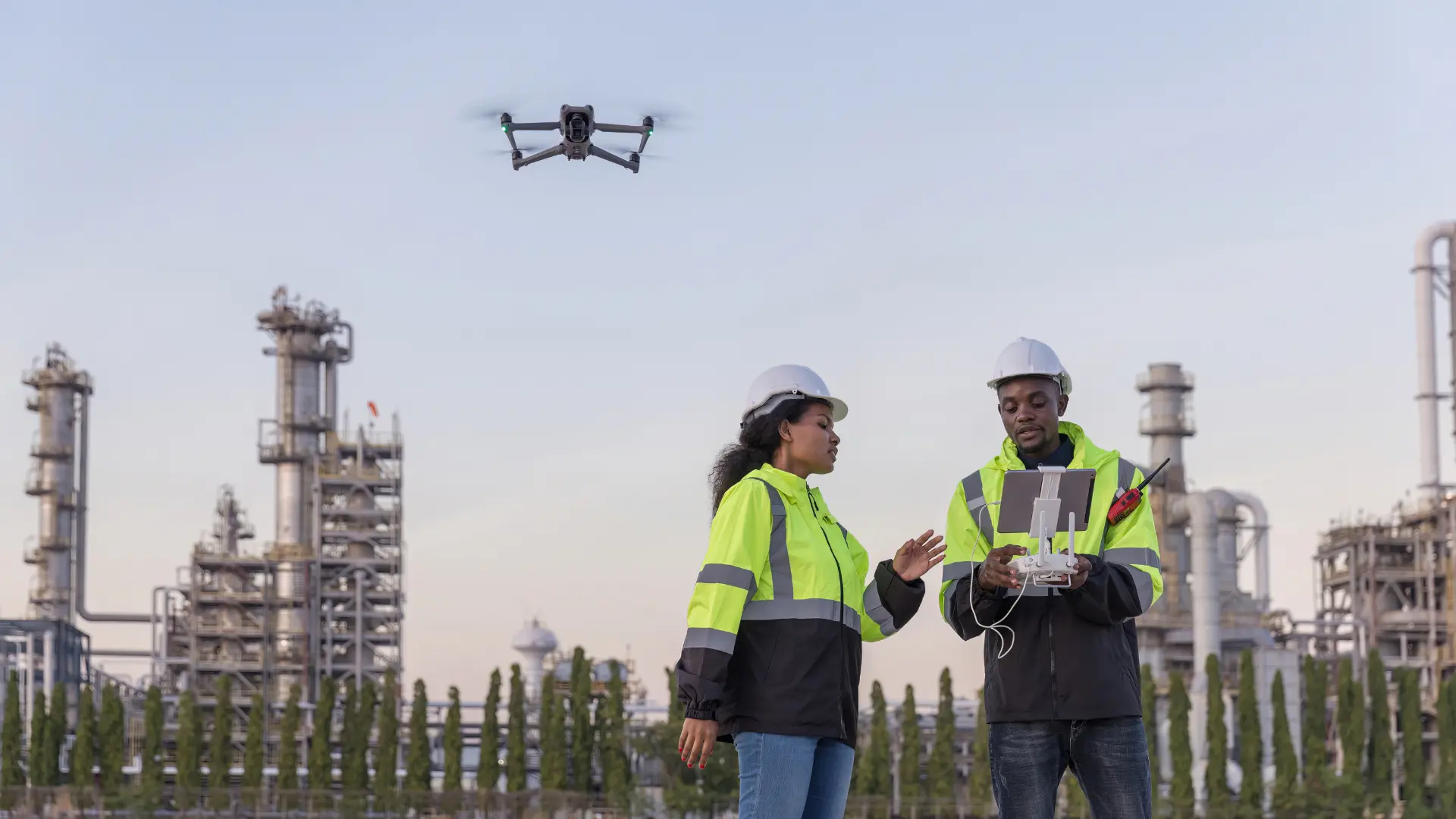
The oil and gas industry operates in some of the most demanding and hazardous environments in the world. From upstream drilling operations to downstream refining, facilities are a sprawling maze of heavy machinery, high-pressure piping, and towering structures. To maintain operational integrity, comply with strict environmental regulations, and prevent catastrophic failures, routine inspections are an absolute necessity. However, ensuring that inspectors can safely and efficiently navigate these complex environments requires meticulous, proactive access planning.
Without a structured approach to how workers reach and move around inspection points, facilities risk severe project delays, costly downtime, and catastrophic workplace accidents. Strong access planning bridges the gap between regulatory compliance and operational efficiency.
Navigating Elevated and High-Risk Inspection Zones
Routine inspections require personnel to get up close and personal with infrastructure that is often elevated, hard to reach, or completely enclosed. Access planning must evaluate the specific risks associated with each zone of a facility to implement the correct structural and safety solutions.
- Storage Tanks and Refineries: Inspecting the upper shells, roofs, and seals of massive bulk storage tanks and refinery columns requires workers to climb to extreme heights. Access plans must ensure these structures are equipped with secure stairways, walkways, and proper fall protection systems, such as guardrails or engineered anchor points, to protect inspectors from high-altitude winds and slipping hazards.
- Tanker Trucks and Railcars: Facilities involved in the midstream transport of petroleum products require frequent inspections of top-loading hatches and valves. Access planning here involves deploying specialized loading racks, gangways, and tracking safety cages to establish a safe walking surface over the curved tops of vehicles.
- Drilling Platforms and Pipe Racks: Offshore and onshore drilling platforms feature highly congested layouts with multilevel pipe racks. Inspectors tracking corrosion or structural fatigue must often navigate tight spaces suspended over open water or heavy machinery. Incorporating rigid rail systems or self-retracting lifelines into the site layout ensures continuous fall protection as workers move along these narrow pathways.
- Confined-Space Access: Many routine internal inspections, such as checking the liners of pressure vessels, boilers, or underground storage units, take place in permit-required confined spaces. Access planning for these scenarios requires dedicated tripods, davit arms, and rescue winches to ensure an inspector can enter safely and be extricated immediately in an emergency.
The Financial and Operational Benefits of Access Planning
Investing time and capital into comprehensive access planning yields substantial dividends for oil and gas operators. First and foremost, it minimizes operational downtime. When an inspection route is clearly mapped and equipped with permanent, reliable access structures, inspectors can complete their rounds rapidly. They do not need to wait for temporary scaffolding to be erected or custom rigging to be approved, which keeps maintenance windows tight and predictable.
Furthermore, robust safety infrastructure significantly reduces the risk of liability and regulatory fines. Agencies like OSHA enforce stringent mandates regarding worker safety at heights and in confined spaces. Implementing reliable engineering controls and comprehensive fall protection safeguards across all high-risk areas ensures that the facility remains compliant during surprise audits, protecting the company’s bottom line and industry reputation.
Creating a Culture of Safety Through Design
Ultimately, access planning should not be an afterthought or a reactive measure to an incident. The most successful oil and gas operators integrate access planning directly into the engineering and design phases of their facilities. By prioritizing ergonomics, clear line-of-sight navigation, and integrated safety systems from day one, companies foster a proactive safety culture. When inspectors feel secure in their physical environment, they can focus entirely on the technical details of their inspection, leading to more accurate data collection and safer overall operations.
Conclusion
Routine inspections are the lifeblood of safety and longevity in the oil and gas sector. However, the data collected during an inspection is only as good as the access provided to gather it. By carefully evaluating the unique demands of storage tanks, refineries, railcars, and drilling platforms, and backing them up with robust engineering controls, operators can ensure their teams return home safely after every shift.
Frequently Asked Questions (FAQ)
- What are the primary OSHA standards governing inspections at heights in the oil and gas industry? OSHA general industry standards (29 CFR 1910) require that fall protection be provided at elevations of four feet or more in general industry workplaces. For shipyard or specialized marine drilling platforms, these thresholds may shift, but the core requirement remains: any unprotected edge requires a guardrail, safety net, or personal fall arrest system.
- How does weather impact access planning for routine inspections? Weather is a critical factor, especially for offshore platforms and northern refineries. Wind, rain, ice, and extreme heat can turn a standard walkway into a severe hazard. Access planning must account for this by incorporating non-slip grating, self-closing safety gates, and weather-resistant materials like galvanized steel or aluminum.
- Why is temporary scaffolding sometimes inferior to permanent access planning? While scaffolding is useful for one-off repairs, relying on it for routine inspections is inefficient and costly. Erecting and tearing down scaffolding adds hours or days to an inspection schedule, increases the risk of dropped objects, and introduces human error during the assembly process. Permanent walkways and stairs are much safer and more cost-effective long-term.
- What role does technology play in modern oil and gas access planning? Many facilities now use 3D laser scanning and Building Information Modeling (BIM) to plan access routes before physical construction or modifications begin. This allows engineers to simulate an inspector’s movement through pipe racks or around storage tanks, ensuring safety systems are placed exactly where they are needed.