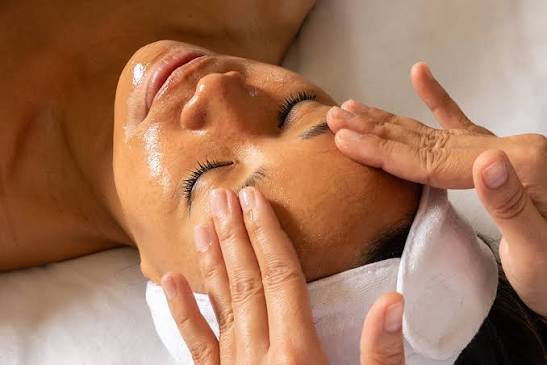
You don’t realise how much tension you’re holding in your face until someone actually works it out. That’s the moment most people have their first great facial in Bangkok – and it’s the moment they stop thinking of facials as a luxury and start treating them as maintenance.
Bangkok punches well above its weight in this space. Skilled therapists, serious techniques borrowed from Japan, France, and traditional Thai medicine, and prices that make London or Paris look frankly embarrassing. Whether you’re here for a week or you’ve been living on Sukhumvit for years, the city’s facial scene is worth your full attention.
What the Bangkok Facial Scene Actually Looks Like
The range is genuinely impressive. You’ll find everything from quick-fix hydration facials in mall spas to deeply specialised, hands-on sculpting sessions that take 90 minutes and leave you looking like you slept for a week.
What sets Bangkok apart isn’t just variety – it’s skill level. Therapists here often train in specific techniques rather than offering a generic menu. That matters enormously when you’re talking about treatments that require precision: working the jawline, releasing the buccal fat pad, stimulating lymphatic flow. These aren’t things you want done by someone who learned them in a two-day course.
The city also benefits from a genuinely international wellness community. Expats compare notes, word travels fast, and the best practitioners fill up quickly. That competitive pressure keeps standards high.
What Makes a Great Facial: Lifting, Sculpting, and Glow
A truly effective facial does three things well.
Lifting works against gravity – literally. Through targeted massage and stimulation of the underlying muscles, a good therapist can restore tone to areas that have started to sag. Think of it as a workout for your face, without the sweat.
Sculpting is about definition. Releasing tension in the jaw, cheekbones, and temples creates visible structure. Many people are surprised to discover their face looks sharper after a session – not because anything was injected, but because chronic muscle tension was finally let go.
Glow is the result of circulation. When blood and lymph move freely, skin looks alive. That post-facial luminosity isn’t a product effect – it’s your own skin doing what it’s supposed to do when it’s not congested.
The best facials deliver all three. The mediocre ones deliver none.
Techniques Worth Knowing About
If you’re new to the more specialised end of facial treatments, here are three names you’ll encounter – and should actively seek out.
Kobido is a Japanese technique with roots going back to the 15th century. It uses rapid, rhythmic massage movements to stimulate the facial muscles and boost collagen production. The effect is immediate: lifted contours, improved tone, and a brightness that lasts for days. It’s often described as a “natural facelift” – which is a cliché, but not an inaccurate one.
Buccal massage goes inside the mouth. A gloved therapist works the buccal muscles from the inside, releasing deep tension that no external massage can reach. It sounds alarming; it feels extraordinary. The sculpting effect on the jawline and cheeks is unlike anything else.
Lymphatic drainage is gentler – light, rhythmic strokes that encourage the lymphatic system to clear waste and reduce puffiness. It’s the technique most responsible for that “deflated in a good way” feeling after a session. Particularly useful if you’ve been eating salty food, drinking, or flying.
Many of the best sessions in Bangkok combine two or three of these approaches in a single treatment.
What to Look for When Choosing a Spa
Don’t book based on price alone – in either direction. A high price tag doesn’t guarantee technique, and a low one doesn’t mean poor quality.
Look for these things instead:
- Therapist specialisation: Do they train in specific methods, or offer everything to everyone?
- Consultation before treatment: A good therapist asks about your skin, your concerns, and your health before touching your face.
- Time: A serious facial takes at least 60 minutes. Anything under that is a top-up, not a treatment.
- Transparency: Can they explain what they’re doing and why? If not, keep looking.
- Reviews that mention specific techniques: Generic five-star reviews are easy to fake. Look for reviewers who name the therapist and describe the method.
Neighbourhood matters too. Spas in the Sukhumvit corridor – particularly around Thong Lo and Ekkamai – tend to attract a more discerning clientele and maintain higher standards as a result.
A Place Worth Trying
If you want a starting point, look for spaces that specialise in hands-on, technique-led facial work rather than product-heavy treatments. The best facial treatment Bangkok experiences tend to come from practitioners who’ve trained seriously in one or two methods and do them exceptionally well – rather than spas that offer twenty treatments and master none.
Ask specifically about kobido or buccal massage availability. If a spa offers both and can explain the difference clearly, that’s usually a good sign you’re in the right place.
Don’t Leave Bangkok Without Booking One
Bangkok rewards the curious. The city has quietly built one of the most sophisticated facial treatment scenes in Asia, and most visitors never find it because they stick to the hotel spa or the first Google result.
Go deeper. Ask around. Book the 90-minute session, not the 45-minute one. Your face – and honestly, your whole nervous system – will thank you for it.