

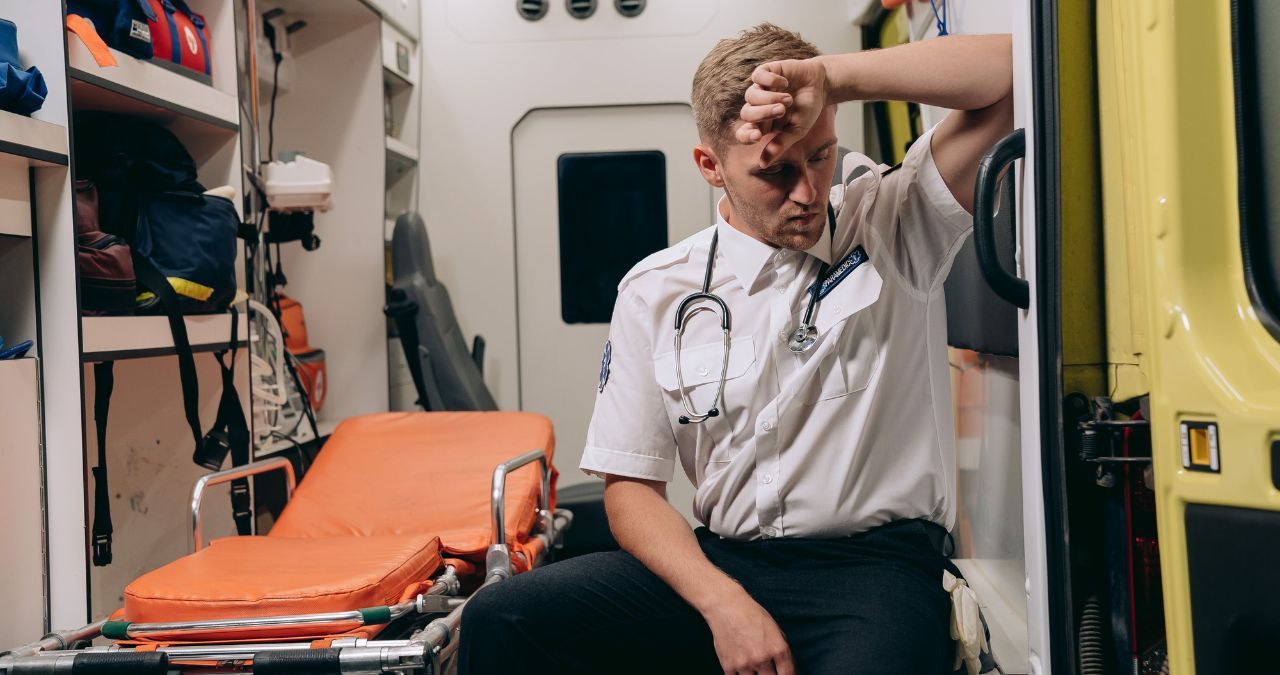
Every day, thousands of lives are saved by first responders—the highly trained professionals who are the first to arrive at the scene of an emergency. Whether responding to medical crises, fires, natural disasters, or violent incidents, first responders play a vital role in protecting public safety and providing life-saving care.
According to the UK Home Office, emergency services in the UK respond to over 35 million emergency calls annually. The National Fire Chiefs Council (NFCC) reports that fire and rescue services attended more than 577,000 incidents in 2022, while the Ambulance Service responded to over 10 million emergency calls. These figures highlight the sheer scale of emergency response efforts and the critical role first responders play in saving lives and minimizing harm.
This article explores who first responders are, their responsibilities, the different types of first responders, and the importance of specialized training to ensure they can effectively perform their duties in high-pressure situations.
Who Are First Responders?
A first responder is any trained professional who arrives first at the scene of an emergency to provide medical, rescue, or law enforcement assistance. These individuals are often highly skilled in emergency response techniques and play a crucial role in preserving life, reducing the severity of injuries, and ensuring public safety.
First responders work in high-risk environments, requiring them to act quickly, efficiently, and often under extreme pressure. Their primary goal is to stabilize the situation until more specialized medical or emergency personnel arrive.
Key Responsibilities of First Responders
- Assessing the Scene for Safety Risks – Identifying hazards like fire, electrical risks, or ongoing violence.
- Providing Immediate Medical Care – Performing CPR, stopping severe bleeding, stabilizing fractures, and assisting in trauma cases.
- Coordinating with Emergency Services – Ensuring ambulances, fire services, or additional law enforcement arrive promptly.
- Rescuing Individuals in Danger – Evacuating people from burning buildings, flooded areas, or accident sites.
- Maintaining Public Order – In the case of police responders, ensuring the safety of bystanders and securing crime scenes.
Types of First Responders
1. Paramedics and Emergency Medical Technicians (EMTs)
Paramedics and EMTs are responsible for providing emergency medical care and transporting patients to hospitals. They are trained to handle:
- Cardiac arrests: UK ambulance services respond to over 30,000 cardiac arrests annually, yet survival rates remain below 10%. Immediate CPR and defibrillation can significantly increase survival chances.
- Severe bleeding and trauma injuries: The World Health Organization (WHO) states that 20% of trauma-related deaths worldwide are due to excessive bleeding, which proper first aid can prevent.
- Airway management and resuscitation: Paramedics ensure that unconscious patients continue to breathe and receive oxygen.
According to the UK National Health Service (NHS), paramedics and EMTs handle over 7.5 million emergency medical cases annually, providing critical care to individuals of all ages.
2. Firefighters
Firefighters do more than extinguish fires; they are also trained in rescue operations, first aid, and hazardous material management. They respond to:
- Structural fires and explosions – The UK saw over 150,000 fire-related incidents in 2022, with 35,000 house fires.
- Vehicle extrications – Road traffic accidents accounted for over 1,500 fire service rescues last year.
- Flood and water rescues – With climate change increasing extreme weather events, firefighters have responded to a 30% rise in flood-related emergencies over the past decade.
3. Police Officers
Police officers act as first responders in violent incidents, public disturbances, and major accidents. Their duties include:
- Administering first aid to victims of stabbings, shootings, and assaults.
- Managing large-scale incidents, such as terrorist attacks and riots.
- Providing CPR and defibrillation—since police officers often arrive before ambulances, they are increasingly being trained in basic life support techniques.
A 2023 report by the College of Policing found that 50% of police first responders have used emergency first aid skills at least once in the past year, showing how critical their medical training is.
4. Search and Rescue Teams
These professionals specialize in locating and rescuing individuals in dangerous environments, including:
- Mountain and wilderness rescues
- Urban search and rescue (collapsed buildings, earthquakes, explosions)
- Maritime rescues
The UK Mountain Rescue Service attends over 2,500 emergency calls per year, often in extreme weather conditions.
5. Community First Responders (CFRs)
Community First Responders (CFRs) are volunteers trained to respond to medical emergencies before ambulance crews arrive. They play a crucial role in rural areas where emergency response times can be longer.
In 2022, CFRs responded to more than 40,000 emergency calls, particularly in cardiac arrest cases, significantly improving survival rates in remote locations.
Why First Responders Need Specialized Training
First responders face high-stakes situations that require rapid decision-making. To handle these emergencies effectively, they undergo extensive training in areas such as:
1. First Aid and CPR Training
- Bystander CPR can double or triple survival rates, yet only 50% of UK adults feel confident administering it.
- Defibrillation within 3-5 minutes of cardiac arrest can increase survival rates to 70%, which is why many police officers and firefighters are now equipped with AEDs (Automated External Defibrillators).
2. Crisis and Trauma Management
- First responders are often the first point of contact for victims of traumatic events, including domestic abuse, terrorism, and natural disasters.
- Mental health first aid training or Train the Trainer Courses are increasingly being incorporated.
3. Fire Safety and Hazardous Material Response
- Firefighters and emergency teams must understand fire dynamics, hazardous materials, and search-and-rescue techniques to navigate dangerous environments safely.
Stat: According to the UK Fire Service, fire-related fatalities decreased by 20% over the last decade, largely due to improved fire safety training for first responders.
4. Leadership and Decision-Making Skills
- First responders often lead emergency scenes and must make quick, life-saving decisions. Train the Trainer Courses help senior responders mentor and educate new recruits, ensuring consistent, high-quality emergency response training.
How to Become a First Responder
1) Complete First Aid Training:
- Enroll in certified first aid and emergency response courses. If you’re looking for professional training, consider getting first aid training near Stoke on Trent, where comprehensive programs cover CPR, trauma care, and emergency response techniques.
2) Join a Volunteer Program:
- Many organizations, like St John Ambulance and the NHS, offer volunteer first responder programs.
3) Pursue Formal Qualifications:
- Police, paramedic, and fire service recruits must complete specialized emergency response training.
Conclusion
First responders are the backbone of emergency response efforts, ensuring that medical care, fire control, and public safety interventions happen in critical moments. Their expertise reduces fatalities, minimizes injuries, and improves community safety.
Through proper training, rapid response times, and multi-agency collaboration, first responders save thousands of lives every year. Whether you’re considering a career in emergency services or want to become a trained volunteer, investing in first responder training can make a life-changing impact—both for yourself and for those in need.
