



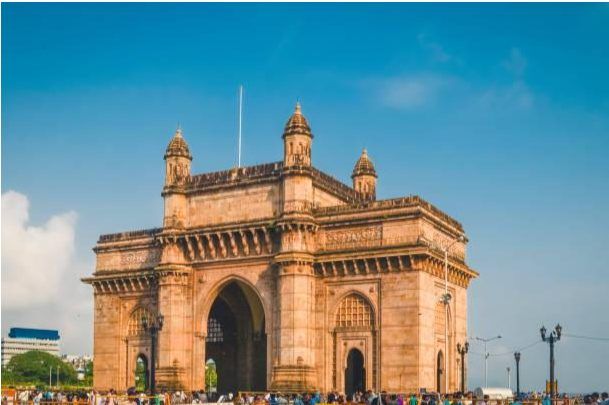
India’s tourism sector is a vibrant tapestry of ancient heritage, diverse landscapes, and modern aspirations. From the snow-capped Himalayas to the sun-kissed beaches of Goa and the spiritual ghats of Varanasi, the country offers something for every traveler. Post-pandemic recovery has been robust, driven by strong domestic demand, government initiatives like “Incredible India” and Swadesh Darshan 2.0, and rising global interest in experiential and sustainable travel. As of 2026, the industry stands at the cusp of transformative growth, with ambitious targets to contribute significantly to GDP and employment.
Growth Trends: A Resilient Rebound
India’s tourism has shown remarkable resilience. In the calendar year 2024, the country recorded 20.57 million international tourist arrivals, including 9.95 million foreign tourist arrivals (FTAs) and over 10 million from Non-Resident Indians (NRIs). By August 2025, FTAs reached approximately 5.6 million, while domestic tourist visits surged to a staggering 303.59 crore.
The economic impact is substantial. In FY 2023-24, tourism contributed around ₹15.73 lakh crore to GDP (about 5.22%). Projections for 2025 indicate the broader travel and tourism sector could exceed ₹22 trillion, supporting nearly 48 million jobs (13.34% of total employment). The Travel & Tourism market is expected to generate €32.12 billion in revenue in 2026, with a projected CAGR of 12.08% through 2030.
Domestic tourism remains the backbone, with visits projected to more than double from 2.5 billion in 2024 to 5.2 billion by 2030. Outbound travel from India is also booming, with the market valued at USD 23.4 billion in 2026 and expected to reach USD 68.8 billion by 2036 at an 11.4% CAGR.
Key drivers include improved air connectivity, visa facilitation (e.g., e-visas), digital booking platforms, and rising disposable incomes. Major events like the religious destinations in India like Maha Kumbh Mela in Prayagraj in 2025 became the most searched domestic destination, highlighting the pull of spiritual and cultural tourism.
Iconic and Emerging Tourist Destinations
India’s destinations cater to every preference- heritage, adventure, wellness, and beaches.
Cultural and Heritage Gems: The Golden Triangle (Delhi–Agra–Jaipur) remains a perennial favorite. The Taj Mahal in Agra symbolizes eternal love, while Jaipur’s Amber Fort showcases Rajasthan’s royal grandeur. Varanasi’s Ganga Aarti offers a profound spiritual experience.
Natural Wonders and Adventure: Leh-Ladakh’s high-altitude deserts and monasteries attract thrill-seekers and photographers. Kashmir’s valleys, Himachal Pradesh’s hill stations (including Shimla and Khajjiar), and the Northeast’s pristine landscapes are gaining traction for eco-tourism and trekking.
Beach and Backwater Escapes: Goa’s vibrant beaches and sunsets draw leisure travelers. Kerala’s serene backwaters, explored via houseboats, offer a unique wellness and nature immersion. The Andaman & Nicobar Islands provide crystal-clear waters for diving and relaxation.
Emerging Trends: Spiritual circuits, tribal tourism, coastal routes under Swadesh Darshan 2.0, astro-tourism, and wellness “glow-cations” in Kerala are redefining experiences. Among high-altitude destinations, Spiti Valley in Himachal Pradesh has emerged as a standout for its stark Himalayan desert landscape, ancient monasteries like Key and Tabo, remote villages, and serene lakes such as Chandratal. Known for its raw beauty and offbeat appeal, Spiti is increasingly popular among adventure enthusiasts and those seeking solitude. Many operators now offer dedicated Spiti tour packages, ranging from group road trips via Manali or Chandigarh to private customized itineraries that include monastery visits, high-altitude camping, and stargazing experiences, typically spanning 6–10 days with options for budget to comfort stays.
Travel Agencies and Customized Packages: Making Travel Seamless
A robust ecosystem of travel agencies and online platforms has democratized access to India’s wonders. Leading players include:
- Vayable Trip: A rising player that specializes in customized domestic and international holiday packages tailored for Indian travelers. With a focus on family vacations, honeymoons, group tours, weekend getaways, and luxury experiences, Vayable Trip emphasizes transparent pricing, expert planning, 24×7 support, and seamless execution across India’s diverse destinations.
- SOTC Travels: A pioneer with over 75 years of experience, offering group holidays, fully customizable packages, and expert tour managers for domestic and international trips.
- Thomas Cook India and Veena World: Known for escorted group tours, luxury itineraries, and themed packages (honeymoon, family, adventure).
- Thrillophilia: Tech-savvy operator with over 10,000 customizable itineraries, focusing on experiential and offbeat travel, including popular Spiti Valley packages.
- Shikhar Travel and TravelTriangle: Specialize in tailor-made FIT (Free Independent Traveler) packages, private tours, and B2B solutions for luxury, wildlife, or cultural immersions.
Customized packages are a game-changer. Travelers can opt for luxury Golden Triangle tours with heritage hotels, budget-friendly Kerala backwater packages, adventure Ladakh biking expeditions, wellness retreats in the Himalayas, or dedicated Spiti Valley tour packages featuring rugged mountain drives, monastery explorations, and high-altitude adventures. Many agencies now bundle MICE (Meetings, Incentives, Conferences, Exhibitions), sustainable eco-tours, and multi-generational family trips. Private chauffeurs, local guides, and flexible itineraries ensure personalized experiences, while digital tools allow real-time customization.
Opportunities: Diverse and High-Potential Segments
India’s tourism offers immense opportunities beyond traditional sightseeing:
- MICE and Events: Expected 15–25% growth in 2026, fueled by India’s growing role as a business and conference hub.
- Wellness and Medical Tourism: Ayurvedic retreats in Kerala and world-class hospitals attract global visitors.
- Eco-Tourism and Sustainability: Protected areas, community-based tourism in the Northeast, and green initiatives align with global trends.
- Adventure and Experiential Travel: Trekking, rafting, and cultural immersions in emerging destinations like the Northeast or Spiti Valley.
- Outbound Synergies: India’s growing outbound market (projected 50+ million trips by 2030) creates reciprocal opportunities for inbound promotion.
Government support through infrastructure upgrades (airports, roads, railways), skill development, and policies targeting 10% GDP contribution by 2030 is unlocking investments. The sector is poised to create millions of jobs, with a focus on women’s employment and rural empowerment.
Future Outlook: Towards a $1 Trillion Industry
The horizon looks exceptionally bright. India aims for a $1 trillion tourism economy by 2030, potentially contributing 9–10% to GDP, with long-term ambitions of a $3 trillion economy by 2047. Domestic demand will remain strong, while inbound FTAs are targeted to scale significantly through better global connectivity and marketing.
Challenges like infrastructure gaps in tier-2/3 cities and seasonal overcrowding are being addressed via smart tourism apps, sustainable practices, and diversified circuits. Technology (AI personalization, virtual tours) and sustainability will be key differentiators.
By 2030–2036, the sector could double its economic footprint, create over 60 lakh additional jobs, and position India among the world’s top tourism destinations.
Conclusion
Tourism in India is not just an industry, it’s a celebration of diversity, resilience, and opportunity. Whether exploring the timeless Taj Mahal, cruising Kerala’s backwaters, trekking Ladakh’s rugged terrain, or discovering the religious devi darshan, travelers find unforgettable memories. With strong growth trends, innovative agencies like Vayable Trip and others offering tailored packages (including specialized Spiti tour packages), and forward-looking policies, India is set to emerge as a global tourism powerhouse. The future is not only bright but inclusive, sustainable, and deeply enriching for visitors and the nation alike.


