



Introduction to Online Gaming Evolution
Online gaming has transformed from a simple recreational activity into a powerful global phenomenon that connects millions of players across the world. Over the past two decades, the rapid advancement of internet technology, mobile devices, and cloud computing has reshaped how games are developed, distributed, and experienced. What once required physical cartridges or CDs can now be accessed instantly through digital platforms, allowing players to engage with immersive worlds anytime and anywhere. This shift has not only made gaming more accessible but has also created a thriving ecosystem where entertainment, creativity, and social interaction come together seamlessly.
The Social Impact of Online Gaming
One of the most significant aspects of สล็อต888 is its ability to bring people together. Multiplayer environments allow players to communicate, collaborate, and compete with others in real time, regardless of geographical boundaries. For many users, online games serve as virtual meeting spaces where friendships are formed and teamwork is developed. Voice chats, messaging systems, and community forums enhance these interactions, making gaming a shared social experience rather than a solitary activity. This sense of community has become especially important in a world where digital communication often replaces face-to-face interaction.
At the same time, online gaming has also influenced how young people develop communication skills and build relationships. Players learn to coordinate strategies, solve problems collectively, and adapt to dynamic situations. These experiences can translate into real-life skills such as leadership, critical thinking, and collaboration, demonstrating that gaming is more than just entertainment.
Technological Advancements Driving Growth
The growth of online gaming would not have been possible without significant technological advancements. High-speed internet connections, powerful graphics processors, and advanced game engines have enabled developers to create visually stunning and highly interactive experiences. Cloud gaming services are further revolutionizing the industry by allowing players to stream games without the need for expensive hardware. This means that even users with basic devices can enjoy high-quality games, making the industry more inclusive.
Artificial intelligence has also played a crucial role in enhancing gameplay. AI-driven characters and adaptive systems create more realistic and challenging environments, keeping players engaged for longer periods. Additionally, virtual reality and augmented reality technologies are pushing the boundaries of immersion, allowing players to step inside the game world and interact with it in entirely new ways.
The Rise of Competitive Gaming and Esports
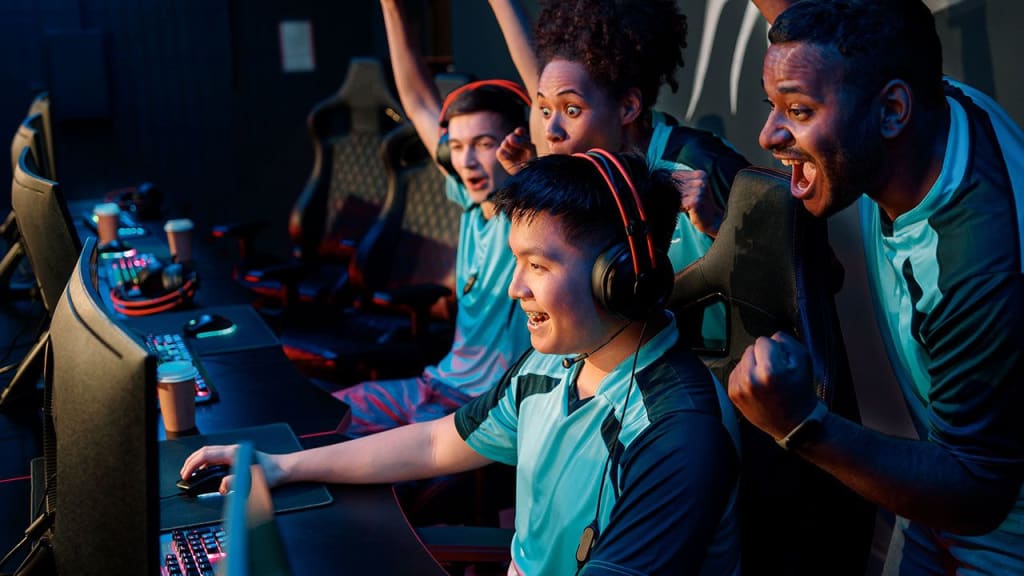
Another major development in the online gaming landscape is the rise of competitive gaming, commonly known as esports. What started as casual competitions among friends has evolved into a professional industry with organized tournaments, sponsorships, and global audiences. Players can now pursue gaming as a career, earning recognition and financial rewards through their skills and dedication.
Esports events attract millions of viewers worldwide, both online and in physical arenas. These competitions showcase not only the talent of individual players but also the strategic depth and complexity of modern games. The growing popularity of esports has also led to increased investment from companies, further fueling the expansion of the industry.
Economic Influence of Online Gaming
Online gaming has become a significant contributor to the global economy. Game development studios, streaming platforms, and digital marketplaces generate billions of dollars in revenue each year. The industry supports a wide range of professions, including game designers, programmers, artists, content creators, and marketers.
In addition to direct economic impact, online gaming has also created opportunities for individuals to earn income through content creation. Streaming gameplay, creating tutorials, and engaging with audiences on social media platforms have become viable career paths for many enthusiasts. This has blurred the line between players and creators, making gaming a participatory culture rather than a one-way form of entertainment.
Psychological and Educational Aspects
Online gaming can have both positive and negative psychological effects, depending on how it is used. On the positive side, games can provide stress relief, improve cognitive skills, and enhance problem-solving abilities. Many games require players to think strategically, manage resources, and make quick decisions, which can sharpen mental agility.
Educational games, in particular, are gaining popularity as tools for learning. They combine entertainment with educational content, making subjects like mathematics, science, and history more engaging for students. Gamification techniques are also being used in classrooms to motivate learners and improve retention.
However, it is important to maintain a balanced approach to gaming. Excessive playtime can lead to issues such as reduced physical activity and disrupted sleep patterns. Responsible gaming habits, including setting time limits and taking regular breaks, are essential to ensure a healthy lifestyle.
The Role of Storytelling and Creativity
Modern online games are not just about gameplay mechanics; they also focus heavily on storytelling and artistic expression. Developers create rich narratives, detailed characters, and expansive worlds that captivate players and encourage emotional investment. This blend of storytelling and interactivity sets gaming apart from other forms of media, as players actively participate in shaping the narrative.
Creative freedom is another important aspect of online gaming. Many games allow players to customize characters, build environments, and even design their own levels. This fosters creativity and provides a platform for self-expression, enabling players to contribute to the game world in meaningful ways.
Future Trends in Online Gaming
The future of online gaming looks promising, with several emerging trends set to redefine the industry. Cloud-based platforms are expected to become more widespread, eliminating hardware limitations and making gaming more accessible. Virtual reality and augmented reality technologies will continue to evolve, offering even more immersive experiences.
Cross-platform gaming is another trend that is gaining momentum. Players can now connect and play with others regardless of the device they are using, whether it is a console, PC, or mobile phone. This level of integration enhances the gaming experience and strengthens the global gaming community.
Additionally, advancements in blockchain technology and digital ownership are introducing new possibilities for in-game assets and player-driven economies. While still in the early stages, these innovations could transform how players interact with virtual worlds and manage digital resources.
Conclusion
Online gaming has come a long way from its humble beginnings, evolving into a dynamic and influential part of modern culture. It offers a unique blend of entertainment, social interaction, and technological innovation that continues to captivate audiences worldwide. As the industry grows, it will undoubtedly introduce new opportunities and challenges, shaping the way people connect, learn, and engage with digital content.
By embracing responsible gaming habits and staying informed about emerging trends, players can fully enjoy the benefits of this ever-evolving medium. Online gaming is not just a pastime; it is a powerful platform that reflects the creativity and connectivity of the digital age.


